Waking up to find one side of your face drooping can be really scary. Bell’s Palsy often shows up without warning, leaving you feeling confused and worried about whether it might be permanent. This article looks at the chances of lasting Bell’s Palsy permanent damage and what your options are, whether you’re looking at recovery, advanced treatments, or the role a skilled plastic surgeon might play.
Key Takeaways
- Most people with Bell’s Palsy get better within a few months, usually without lasting issues.
- Early treatment, like steroids, can help speed up recovery and potentially lower the risk of permanent problems.
- For the small percentage who don’t fully recover, there are options like surgery to help restore facial movement and symmetry.
- Finding a plastic surgeon experienced in facial reanimation is important for complex cases of persistent facial paralysis.
- Beyond physical healing, addressing the emotional side effects is a key part of the overall recovery journey.
Understanding the Likelihood of Permanent Bell’s Palsy Damage
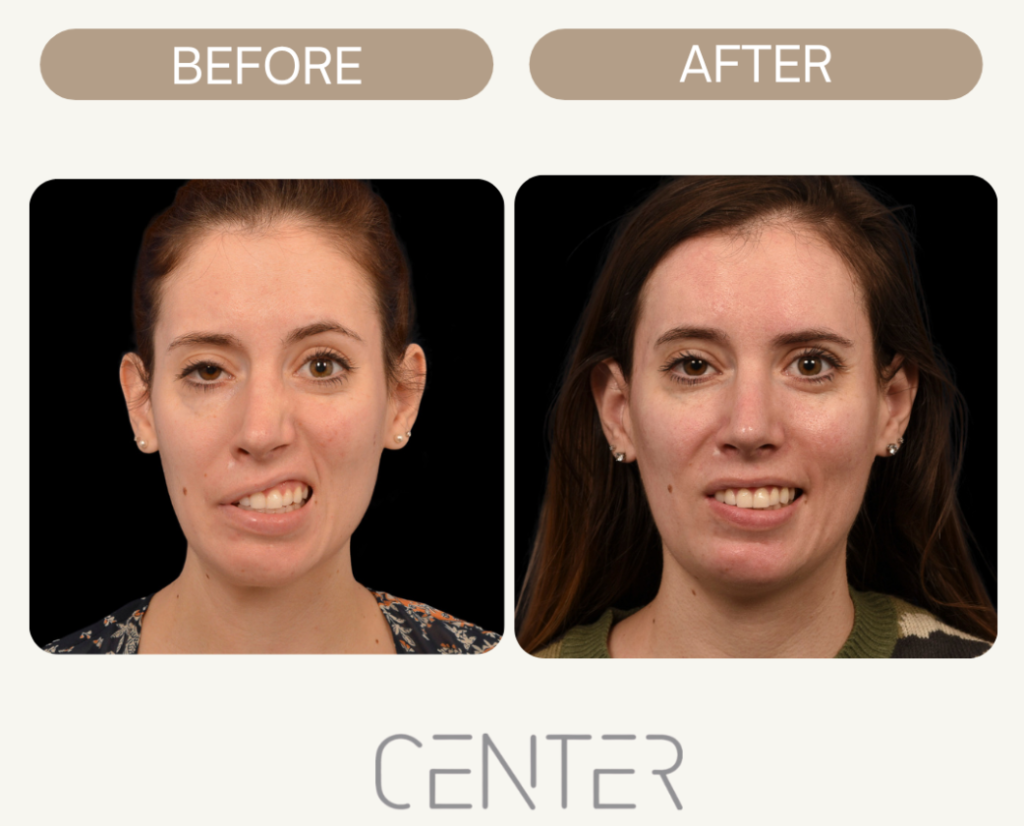
Understanding Bell’s Palsy involves recognizing its sudden onset and the subsequent anxiety concerning potential permanent damage. This condition, affecting the facial nerve, often resolves itself; approximately 70% of individuals see significant recovery within three to six months, restoring full facial function. However, about 15–30% may encounter lingering symptoms like facial weakness, tightness, or minor asymmetry post-recovery. Occasionally, nerve regrowth can cause synkinesis, where unrelated facial movements occur simultaneously. Key factors for complete recovery include prompt medical attention, ideally corticosteroid treatment within 72 hours of symptom onset, the initial severity of paralysis, and patient age, as younger individuals tend to regenerate nerves more effectively. Consulting specialists such as Dr. Azizzadeh can assist those dealing with persistent symptoms in devising effective recovery strategies.
The Role of Early Intervention in Minimizing Complications
Early intervention is key not just for speeding up recovery but also for reducing the likelihood of long-term complications. Beyond the initial treatment with steroids and potentially antivirals, proactive management is vital. This includes protecting your affected eye, as difficulty blinking can lead to dryness and potential damage. Maintaining facial muscle tone through recommended exercises, often guided by a therapist, is also important. While many cases resolve on their own, understanding these influencing factors and seeking timely, expert care can make a substantial difference in your journey toward regaining full facial function and minimizing any lasting effects. If you’re in the Los Angeles area and seeking expert care, Dr. Azizzadeh’s approach to Bell’s Palsy reconstruction is well-regarded.
Exploring Advanced Solutions for Persistent Facial Paralysis
When Bell’s Palsy leaves lingering effects, it often means the facial nerve hasn’t fully healed or has regenerated in an unusual way. This nerve regrowth can be a complex process. Sometimes, the nerve fibers might not reconnect perfectly, leading to issues like synkinesis, where one movement triggers another unintended one – like your eye closing when you smile. Understanding how the facial nerve works and its capacity for healing is key. While many nerves can repair themselves over time, significant damage might mean natural regeneration isn’t enough to restore full function. It’s a delicate biological dance, and sometimes, it needs a helping hand.
Surgical Interventions for Restoring Facial Symmetry
Surgical alternatives are considered when natural healing has stalled. This surgery improves facial symmetry and sometimes restores movement. Dynamic reanimation and static techniques like face implant placement are possible. Advanced operations may use muscles or nerves from other parts of your body to move the paralyzed face. Restoring expression pathways and balancing appearance. Consulting with a specialist like Dr. Azizzadeh is important to see if you’re a candidate for these intricate facial reanimation procedures.
Facial Reanimation: A Path to Renewed Expression
Specialized facial reanimation surgery restores mobility and expression to paralyzed faces. This is about recovering the capacity to grin, blink, and express emotion, not simply beauty. Nerve grafts, muscle transfers, or both may be used. A more natural and synchronized face movement is desired. These procedures generally succeed because of the surgeon’s precise skill and knowledge of facial anatomy and nerve activity. It’s a big step for many people trying to regain their identity and quality of life.
The Best Plastic Surgeon for Bell’s Palsy Permanent Damage
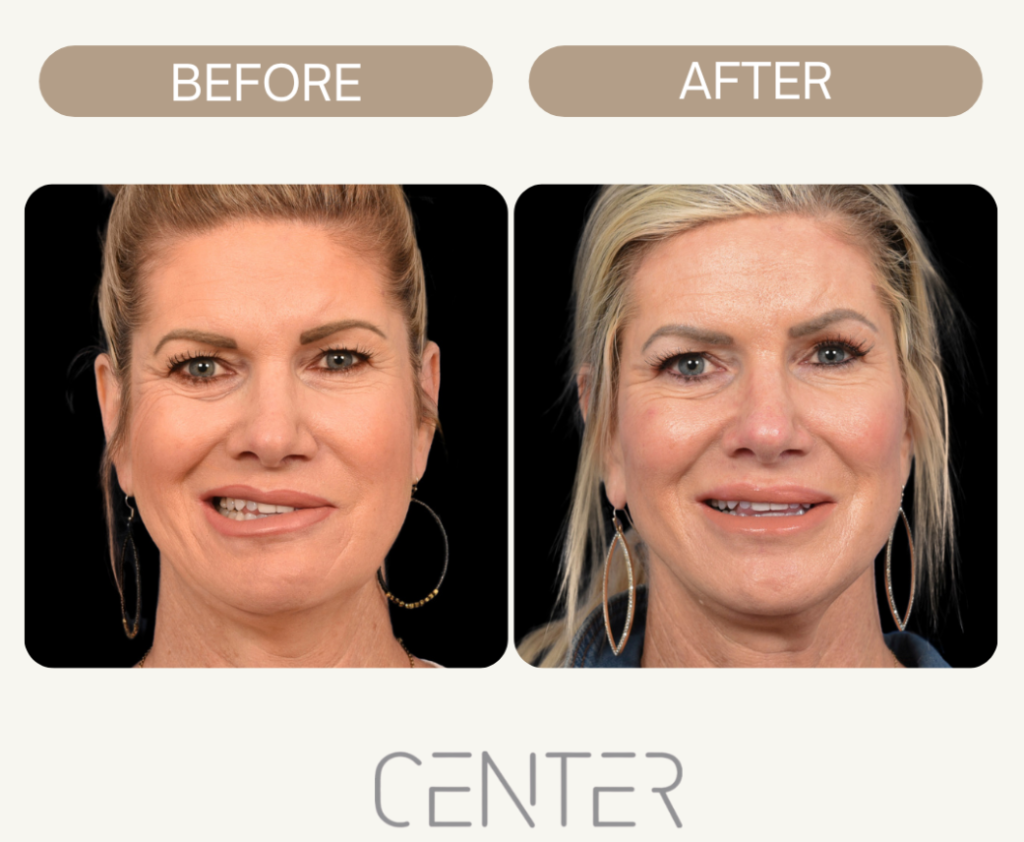
Bell’s Palsy can leave lasting effects, so selecting the appropriate doctor is crucial. You need a doctor who knows facial anatomy and nerve pathways. This is where a facial reconstruction plastic surgeon excels. They can handle complex issues when the face nerve doesn’t recover. More than aesthetics, it restores function and improves quality of life. Look for a surgeon with Bell’s Palsy experience, as their expertise can improve your prognosis.
Dr. Azizzadeh’s Approach to Bell’s Palsy Reconstruction
Dr. Babak Azizzadeh is a recognized leader in the field of facial plastic and reconstructive surgery, particularly for patients dealing with the aftermath of Bell’s Palsy. His approach is highly personalized, recognizing that each patient’s experience with facial paralysis is unique. Dr. Azizzadeh takes the time to thoroughly assess the extent of nerve damage and muscle involvement. He then crafts a tailored treatment plan that might involve various surgical techniques aimed at restoring symmetry and movement. His goal is to help you regain not just the appearance of a balanced face, but also the ability to express yourself naturally. This might include procedures like nerve grafts or muscle transfers, depending on your specific needs.
Patient Outcomes and Surgical Success
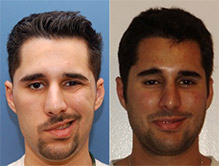
Many Bell’s Palsy patients with prolonged facial paralysis find surgical surgery life-changing. Recovery timeframes vary, but results can be impressive. Patients express increased self-confidence and normalcy after face symmetry improvements. The severity of the palsy and how long the nerve has been impacted can impede recovery, so reasonable expectations are necessary. But with the correct surgery and post-op care, many patients see significant face function and attractiveness improvements. A professional like Dr. Azizzadeh can explain surgical success for your scenario.
Non-Surgical Options for Managing Ongoing Bell’s Palsy Effects
Non-surgical options exist to manage lingering effects of Bell’s Palsy, even as symptoms fade. For those with synkinesis, where nerve signals cause unwanted muscle movements, botulinum toxin (Botox) can effectively block signals to specific muscles, reducing involuntary twitches. Administered by skilled professionals, such as Dr. Azizzadeh, Botox can enhance control over facial expressions, with effects lasting several months.
Therapeutic Strategies for Muscle Re-education
Physical therapy plays a vital role in recovery, even after the initial acute phase. Therapists can guide you through specific exercises designed to re-educate your facial muscles. This might involve:
- Gentle massage to improve circulation and reduce tightness.
- Mirror exercises to help you consciously control and coordinate facial movements.
- Electrical stimulation in some cases, to help wake up dormant muscles.
These techniques aim to improve muscle tone, coordination, and overall facial symmetry. Consistency is key with these exercises; they are designed to retrain the nerve pathways and muscles over time.
Addressing the Emotional and Psychological Impact
Bell’s Palsy can cause anxiety, melancholy, and self-consciousness. Admitting these sentiments and finding support are important. Psychological worries about appearance and social interactions affect facial paralysis healing as much as physical ones. Therapy and support groups can assist manage emotional toll and restore one’s sense of self. For those considering more significant interventions down the line, understanding the full scope of options, including surgical ones, is part of a holistic approach to recovery.
Navigating the Recovery Journey and Long-Term Outlook
Bell’s Palsy recovery varies for individuals, with about 70% seeing significant improvement within three to six months. However, recovery is not linear and may require patience and proactive management of lingering symptoms. Facial nerve healing is gradual, with the potential for ongoing subtle improvements. Early treatments like corticosteroids can aid recovery, but rushing the process may hinder outcomes. For concerns regarding recovery, consultation with a specialist is advised.
When to Consider Surgical Intervention
When facial function has not significantly improved after approximately 10 months, surgical intervention may be warranted. This period permits optimal natural recovery. Surgical options, such as facial reanimation surgery, aim to restore movement and symmetry for those unsatisfied with non-surgical treatments, potentially enhancing expression and confidence.
Maintaining Facial Function Through Proactive Management
Even after the initial recovery phase, ongoing management can be beneficial. This might include:
- Facial exercises: Specific exercises, often guided by a therapist, can help maintain muscle tone and retrain facial movements.
- Botulinum toxin (Botox): For those experiencing synkinesis (unintended facial movements), Botox can be used to relax overactive muscles and improve the appearance of facial symmetry.
- Therapeutic strategies: Continued physical therapy or other therapeutic approaches can support muscle re-education and address any persistent tightness or discomfort.
Addressing the emotional and psychological impact of facial paralysis is just as important as the physical recovery. Seeking support through therapy or support groups can help you cope with changes in self-esteem and social interactions. Remember, you are not alone in this journey.
While Bell’s Palsy is often temporary, understanding the long-term outlook and available interventions is empowering. For those seeking expert guidance on persistent facial paralysis, consulting with a renowned facial plastic surgeon like Dr. Azizzadeh can illuminate the path toward restored facial function and confidence. You can explore options for facial nerve repair and discover how specialized care can make a difference.
Getting better after facial paralysis takes time, and it’s important to know what to expect. While some people recover quickly, others need more support for a longer period. Understanding the path to recovery and what the future might hold can help you feel more in control. If you’re looking for guidance and support on your journey, visit our website to learn more about how we can help you.
Looking Ahead After Bell’s Palsy
You’ve been through the wringer with Bell’s Palsy. It’s a tough experience, no doubt about it. While most folks bounce back within a few months, sometimes things linger. If you’re part of that smaller group dealing with lasting effects, know that you’re not out of options. We’ve talked about how things like Botox can help with those involuntary movements, and for more significant changes, surgery might be the way to go. Procedures like facial reanimation can make a real difference in how your face looks and moves. It’s about getting you back to feeling like yourself again. Don’t hesitate to explore these paths if Bell’s Palsy has left a lasting mark on your face. Your journey to recovery doesn’t have to end with the initial symptoms.
Frequently Asked Questions
How common is permanent damage from Bell’s Palsy?
While most people recover fully from Bell’s Palsy, a small percentage, around 15-30%, might experience lasting effects. These can include slight muscle weakness, a feeling of tightness in the face, or minor unevenness. In rare cases, nerve regrowth can cause unwanted movements, like twitches when you try to smile. Severe cases or delayed treatment can increase the chance of these long-term issues.
What are the treatment options if Bell’s Palsy doesn’t fully go away?
If your facial movement doesn’t return completely, there are still options. For unwanted movements or muscle tightness, treatments like Botox injections can help relax those muscles. In more significant cases, surgical procedures like facial reanimation surgery can be performed to help restore facial symmetry and movement, offering a path to regaining a more natural expression.
When should I consider surgery for Bell’s Palsy complications?
It’s generally advised to be patient and allow at least 10 months after your diagnosis before thinking about surgery. Many people continue to see improvements during this time. Surgery is usually considered if your facial movement has plateaued and you haven’t seen meaningful progress after this waiting period. Consulting with a facial nerve specialist is key to figuring out the best timing for you.
Who is the best type of doctor to see for lasting Bell’s Palsy effects?
For complex cases of Bell’s Palsy with ongoing issues, you’ll want to find a specialist experienced in facial nerve reconstruction. This often means looking for a skilled facial plastic and reconstructive surgeon. Doctors like Dr. Azizzadeh are known for their expertise in treating these challenging situations and helping patients achieve better facial function and appearance.
Besides surgery, what else can help with ongoing Bell’s Palsy symptoms?
Yes, there are other approaches! For involuntary movements, Botox can be very effective. Physical therapy, including specific facial exercises and massage, can help retrain your muscles and improve coordination. It’s also important to address the emotional side, as therapy or support groups can help you cope with any self-consciousness or anxiety you might feel.
How long does it usually take to recover from Bell’s Palsy?
For the majority of people, Bell’s Palsy is temporary. You can expect to see noticeable improvement within three to six months. Many individuals regain full facial function within this timeframe. However, recovery can vary, and some may take longer, while a small number might experience lingering effects that could require further treatment.
Request your consultation with Dr. Azizzadeh today
Call us at (310) 657-2203 to schedule an appointment.
Schedule a Consultation