It can be really tough when part of your face doesn’t move the way it should. This can happen for many reasons, and it affects how you express yourself. But there’s hope. Facial reanimation surgery is a thing, and it aims to bring back movement. Looking at facial reanimation surgery before and after pictures can give you a good idea of what’s possible. It’s about seeing how surgeons restore smiles and expressions, helping people feel more like themselves again.
Key Takeaways
- Seeing facial reanimation surgery before and after photos is a great way to understand the potential results.
- Various surgical techniques exist, like nerve transfers and muscle grafts, to restore facial movement.
- Facial paralysis can stem from different causes, including tumors, Bell’s palsy, and conditions like Moebius syndrome.
- The goal of surgery is not just movement, but also achieving facial balance and symmetry.
- Patient stories show that facial reanimation surgery can significantly improve quality of life and confidence.
Facial Reanimation Surgery: Restoring Movement and Expression
When part of the face no longer moves as it should, the effects extend far beyond appearance. Facial paralysis can interfere with basic functions such as smiling, speaking, blinking, and conveying emotion. For many patients, this loss of movement impacts confidence, communication, and overall quality of life.
Facial reanimation surgery is designed to restore facial movement and balance by addressing the underlying nerve and muscle dysfunction. Through advanced surgical techniques, facial reanimation aims to recreate natural, coordinated facial expressions—most importantly, the ability to smile.
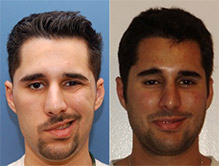
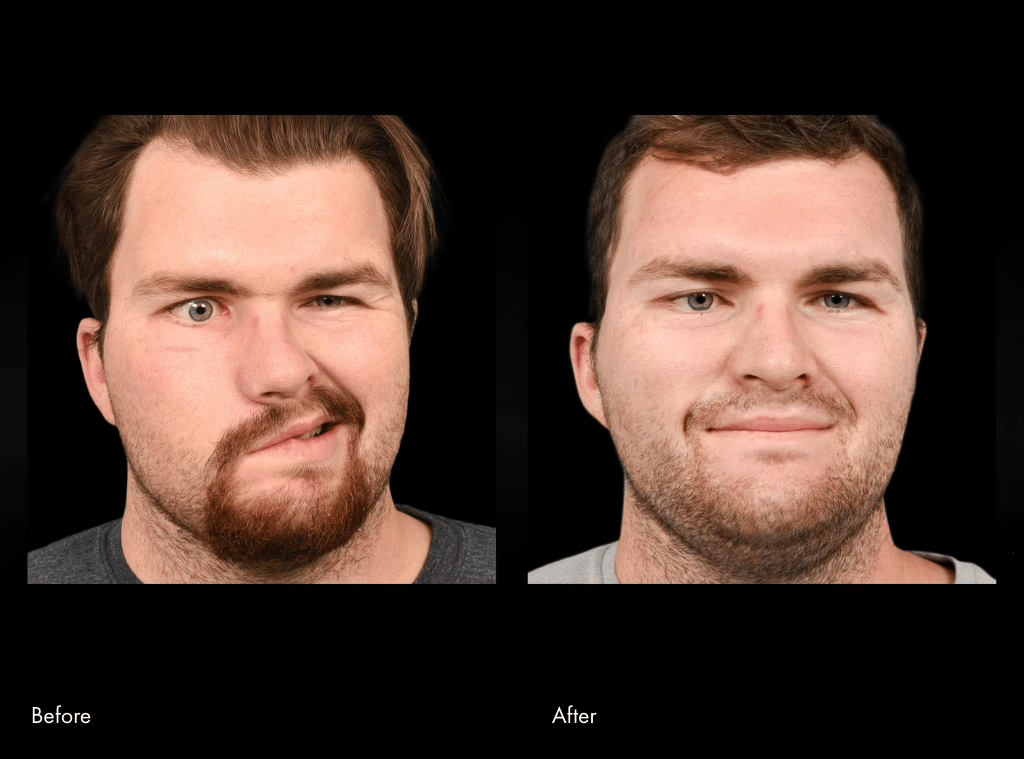
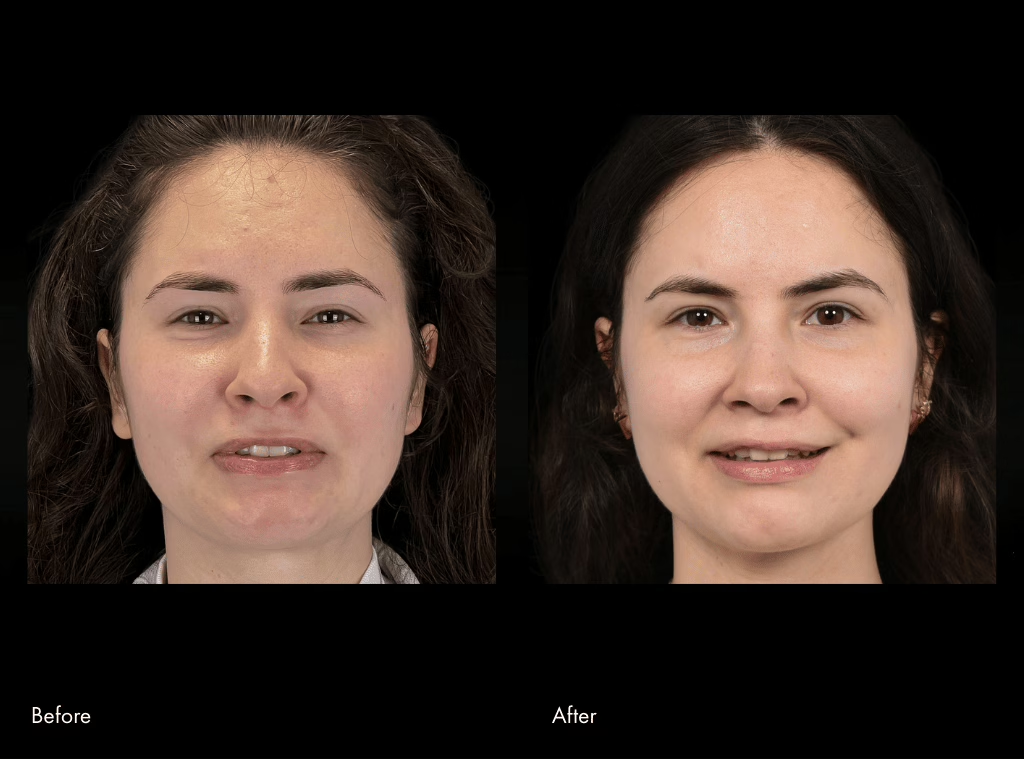
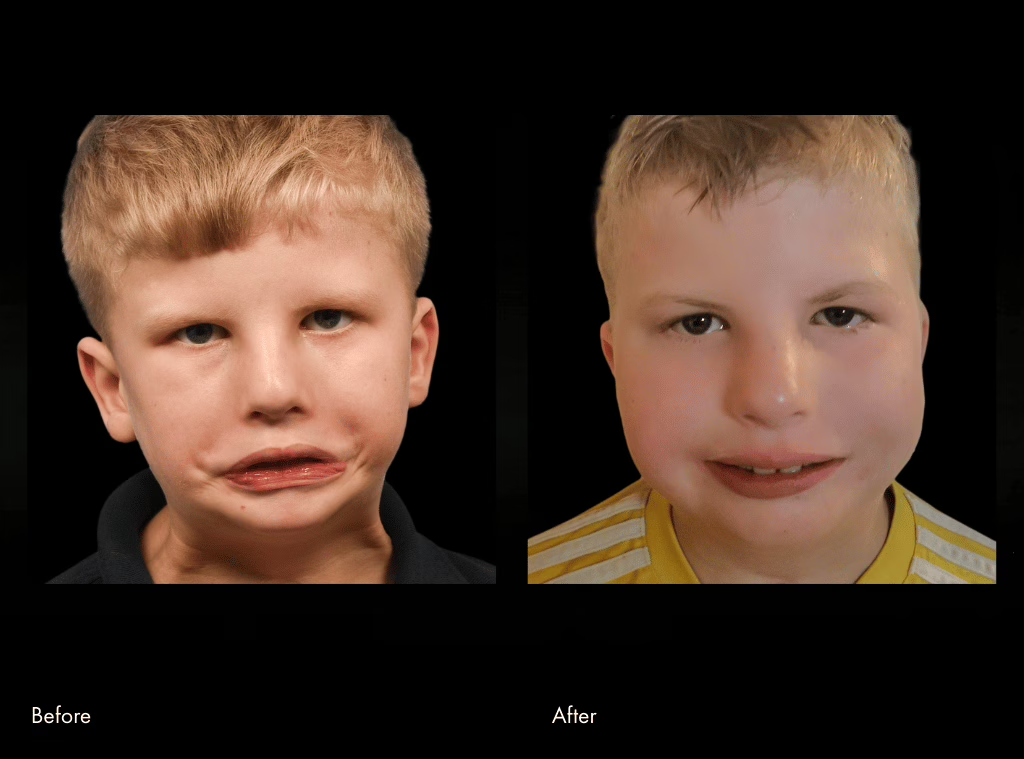
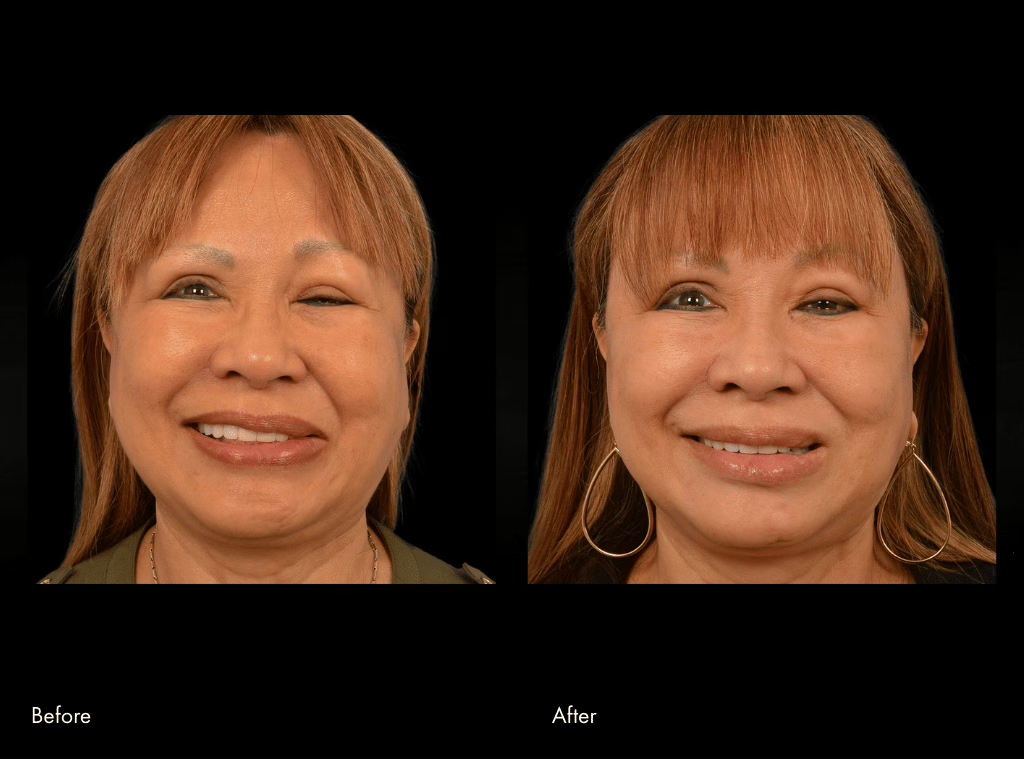
One of the most effective ways to understand what facial reanimation surgery can achieve is by reviewing facial reanimation surgery before and after results. These images demonstrate how experienced surgeons restore symmetry, movement, and expression, offering patients realistic insight into potential outcomes.
Why Reviewing a Surgeon’s Before and After Results Matters
Facial reanimation surgery is highly specialized and technically demanding. Outcomes depend not only on the procedure selected, but on the surgeon’s experience, precision, and understanding of facial nerve anatomy.
Reviewing before-and-after photos allows patients to:
- Evaluate the surgeon’s ability to restore natural-looking smiles
- See improvements in facial symmetry at rest and during movement
- Understand how different causes of facial paralysis are addressed
- Set realistic expectations for recovery and results
Consistent, high-quality before-and-after results reflect a surgeon’s expertise and their ability to tailor facial reanimation techniques to each individual patient.
Facial Reanimation Surgery Before and After
Below are examples of facial reanimation surgery before and after outcomes, demonstrating restored movement, improved symmetry, and enhanced facial expression following advanced surgical intervention.
Image 1
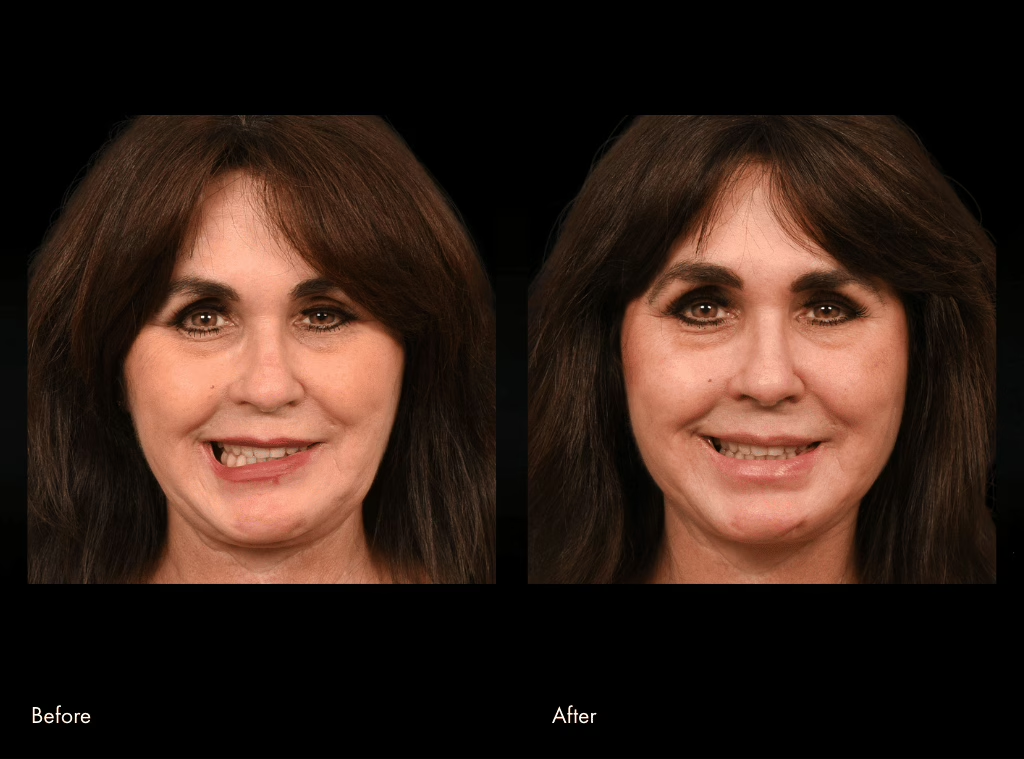
Image 2
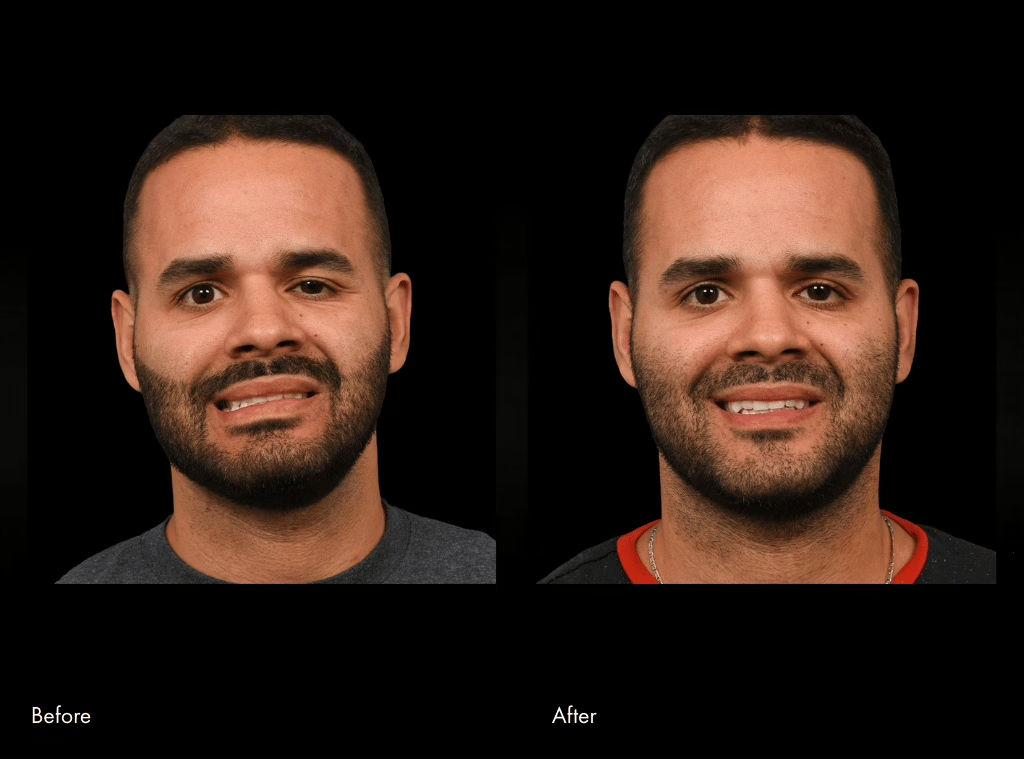
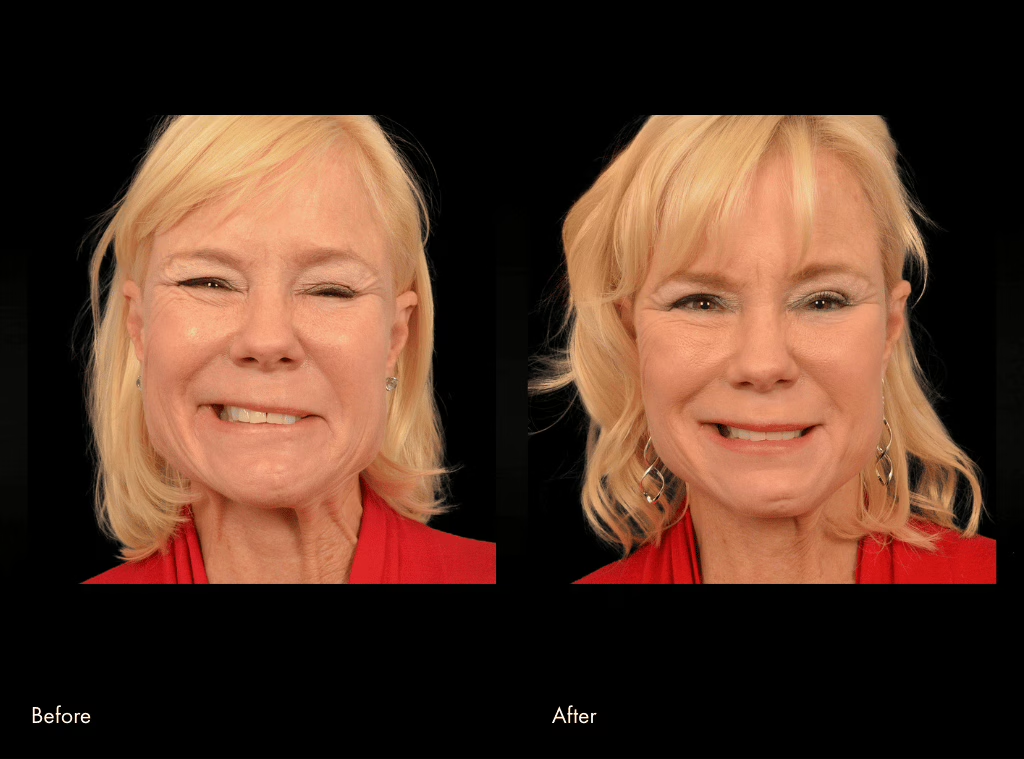
Image 4
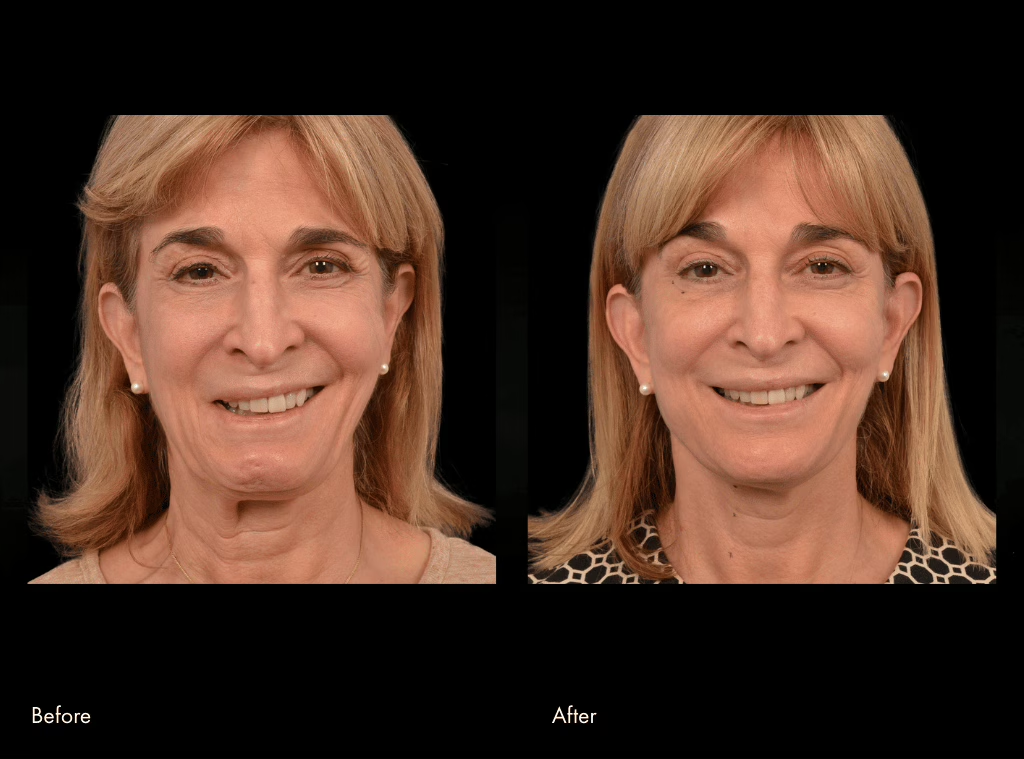
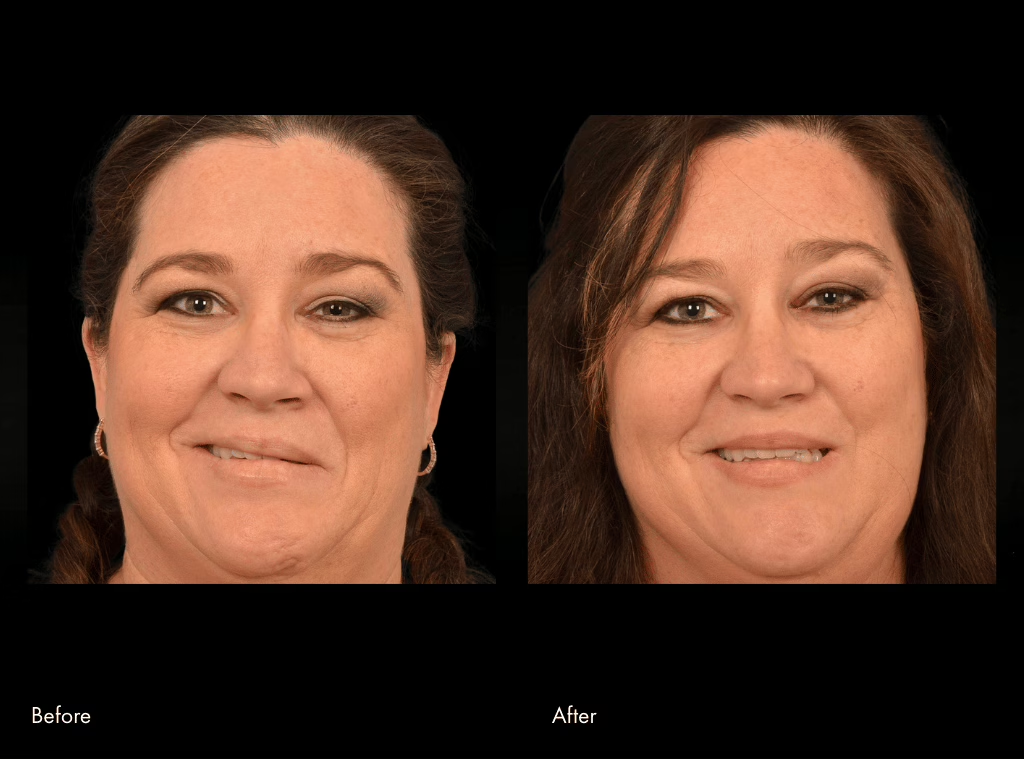
Image 6
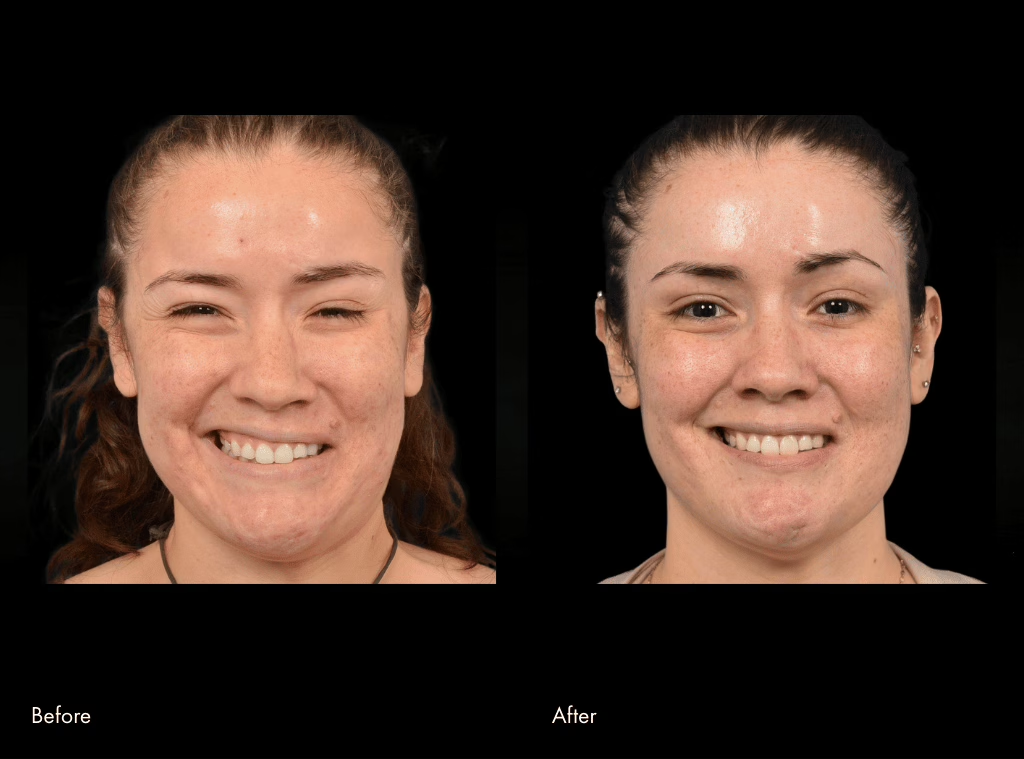
Why Choose the Facial Paralysis Institute and Dr. Azizzadeh
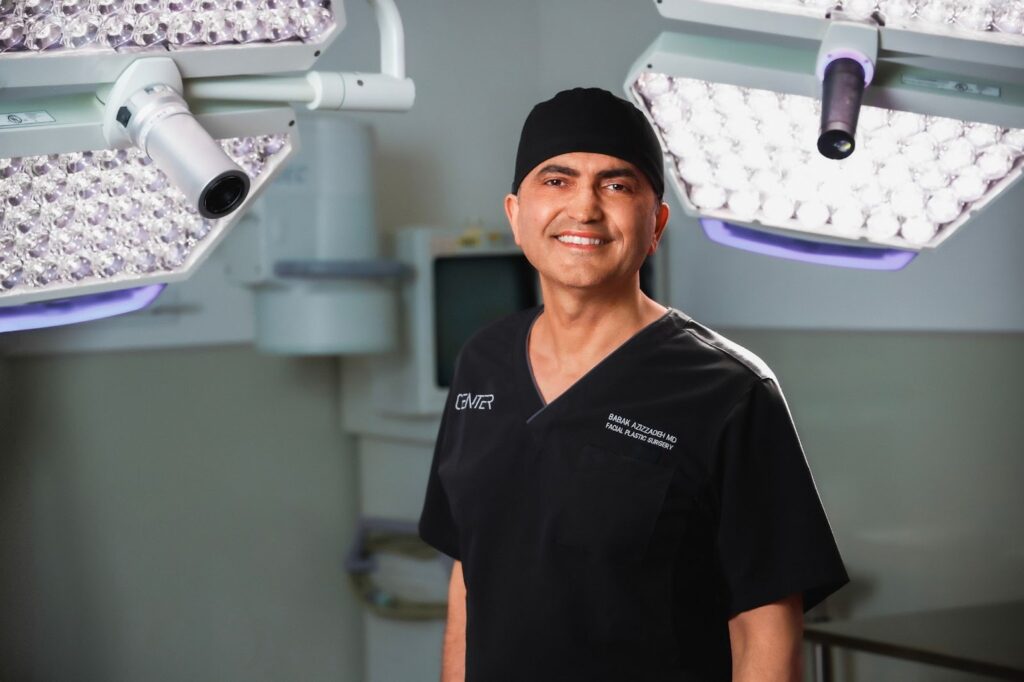
At the forefront of this highly specialized field is the Facial Paralysis Institute, led by internationally recognized facial plastic and reconstructive surgeon Dr. Babak Azizzadeh. Dr. Azizzadeh is widely regarded as a pioneer in facial reanimation surgery, having dedicated his career to advancing techniques that restore both movement and natural expression for patients with facial paralysis. Through a combination of innovative surgical approaches, extensive research, and a deep understanding of facial nerve anatomy, he has helped thousands of patients regain their ability to smile and express emotion. The Facial Paralysis Institute is known for its comprehensive, patient-centered approach—offering customized treatment plans that integrate cutting-edge procedures such as nerve transfers, muscle transplants, and facial balancing techniques to achieve optimal, long-lasting results.
To explore more real patient transformations, visit the photo gallery: https://facialparalysisinstitute.com/photo-gallery/
Understanding Facial Reanimation Surgery Outcomes
Facial reanimation surgery is not simply cosmetic. The goal is to restore functional movement while achieving facial harmony at rest and during expression. Successful outcomes often include improved oral competence, eye protection, and spontaneous smiling—key components of natural facial communication.
Experienced surgeons focus on recreating facial movement that feels intuitive rather than forced, allowing patients to express emotion more naturally.
Restoring Expression and Confidence
Loss of facial movement can lead to social withdrawal and reduced self-confidence. Facial reanimation surgery helps patients reconnect with their expressions, improving emotional well-being and day-to-day interactions. Before-and-after results often show not just physical improvement, but a renewed sense of confidence.
Advanced Facial Reanimation Techniques
Advanced Facial Reanimation Techniques represent the most refined surgical approaches available for restoring facial movement, symmetry, and expression following facial paralysis. Rather than relying on a single solution, modern facial reanimation surgery is highly individualized, with techniques selected based on the cause, duration, and severity of paralysis. These procedures focus on reestablishing nerve signals or repositioning functional muscles to create meaningful, natural-looking movement—most notably the ability to smile. Below are some of the most widely used and clinically proven techniques that surgeons employ to achieve dynamic and long-lasting facial reanimation results.
Masseter to Facial Nerve Transfer
This technique reroutes a nerve from the masseter muscle to activate facial muscles. It is commonly used to restore smiling and has become a cornerstone of modern facial reanimation surgery.
Temporalis Tendon Transfer
Temporalis tendon transfer uses an existing chewing muscle to elevate the corner of the mouth, improving facial symmetry, particularly during smiling.
Gracilis Muscle Transfer and Nerve Grafting
For more extensive paralysis, gracilis muscle transfer combined with nerve grafting allows for dynamic facial movement. This advanced approach can recreate spontaneous, emotionally driven smiles.
Treating the Underlying Causes of Facial Paralysis
Facial reanimation surgery may be used to address paralysis caused by:
- Bell’s palsy and post-paralysis synkinesis
- Acoustic neuroma or skull base tumor surgery
- Stroke-related facial weakness
- Congenital conditions such as Moebius syndrome
Each treatment plan is customized based on the cause, duration, and severity of facial paralysis.
Long-Term Results and Expectations
Facial reanimation results continue to improve over time as nerves regenerate and muscles strengthen. While some improvements may be visible within months, full outcomes often develop over a year or longer. Ongoing follow-up ensures optimal symmetry, coordination, and function.
Looking Ahead
Reviewing facial reanimation surgery before and after results is a crucial step in understanding what is possible. These transformations highlight the importance of choosing a surgeon with deep expertise in facial nerve reconstruction and reanimation techniques.
Facial reanimation surgery offers more than restored movement—it offers the opportunity to regain expression, confidence, and connection.
Frequently Asked Questions
What is facial reanimation surgery?
Facial reanimation surgery restores movement to paralyzed facial muscles by repairing, redirecting, or replacing damaged nerves and muscles.
Why are before-and-after photos important?
They help patients evaluate surgical outcomes, surgeon expertise, and realistic expectations for facial reanimation results.
How long does recovery take?
Recovery varies, but full results often develop over 12–18 months as nerve regeneration occurs.
Will my face look natural after surgery?
The goal is natural movement and balanced symmetry. Outcomes depend on individual anatomy and surgical technique.Who is a candidate for facial reanimation surgery?
Patients with facial paralysis from nerve injury, illness, or congenital conditions may qualify following specialist evaluation.
Request your consultation with Dr. Azizzadeh today
Call us at (310) 657-2203 to schedule an appointment.
Schedule a Consultation