When facial paralysis shows up without warning, it can shake your whole world. One side of your face won’t cooperate, and simple things like blinking or eating become challenges. If you’ve been diagnosed with Bell’s palsy, you’re probably exploring every treatment option available.
Acupuncture has been getting attention as a potential way to support recovery. This ancient practice involves placing thin needles at specific points on your body to encourage healing. Here’s what is bell’s palsy and what you should know about using acupuncture as part of your recovery plan.
Key Takeaways
- Acupuncture may help improve blood flow and reduce inflammation affecting the facial nerve during Bell’s palsy recovery.
- Research suggests acupuncture works best when combined with conventional treatments like corticosteroids rather than used alone.
- Early intervention with acupuncture within the first few weeks of symptoms may produce better outcomes than delayed treatment.
- While acupuncture shows promise, surgical options offer more definitive solutions for persistent or severe cases.
- The Facial Paralysis Institute specializes in comprehensive treatment approaches that address both physical and emotional aspects of recovery.
How Acupuncture Works for Facial Nerve Recovery
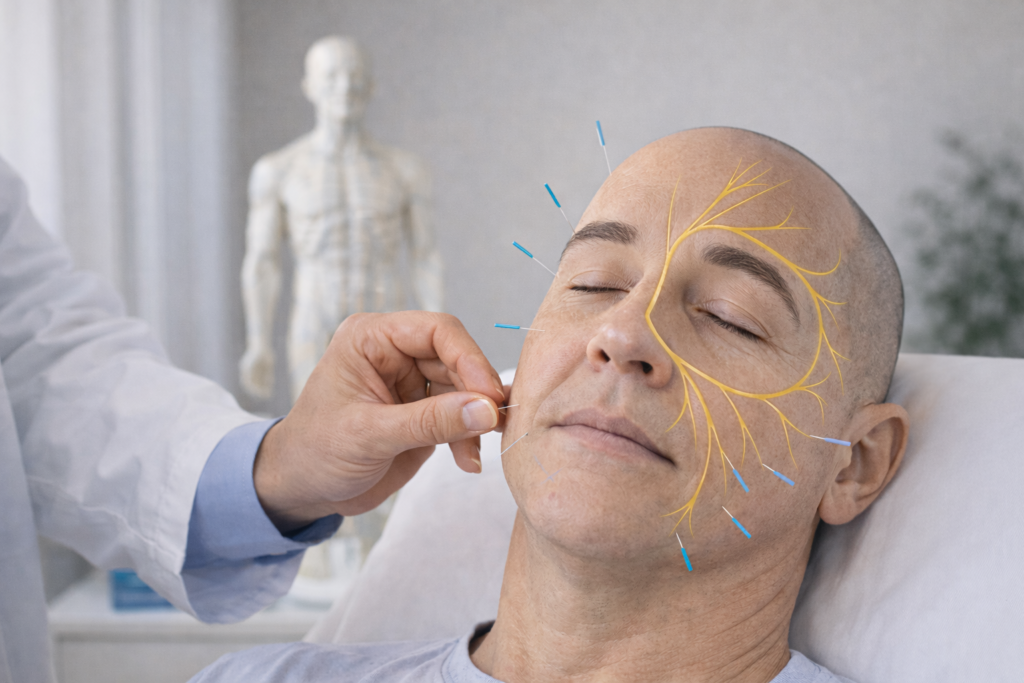
Traditional Chinese Medicine operates on the principle that energy flows through your body along specific pathways. For acupuncture for bell’s palsy, practitioners target points that correspond to the facial nerve. The needles create tiny signals that your nervous system picks up on, potentially triggering healing responses. From a Western medicine perspective, acupuncture might work by improving blood circulation to affected facial muscles and nerves, which could speed up healing and reduce local inflammation.
https://facialparalysisinstitute.com/blog/what-is-bells-palsy-heres-everything-you-need-to-know
What Research Says About Acupuncture and Bell’s Palsy
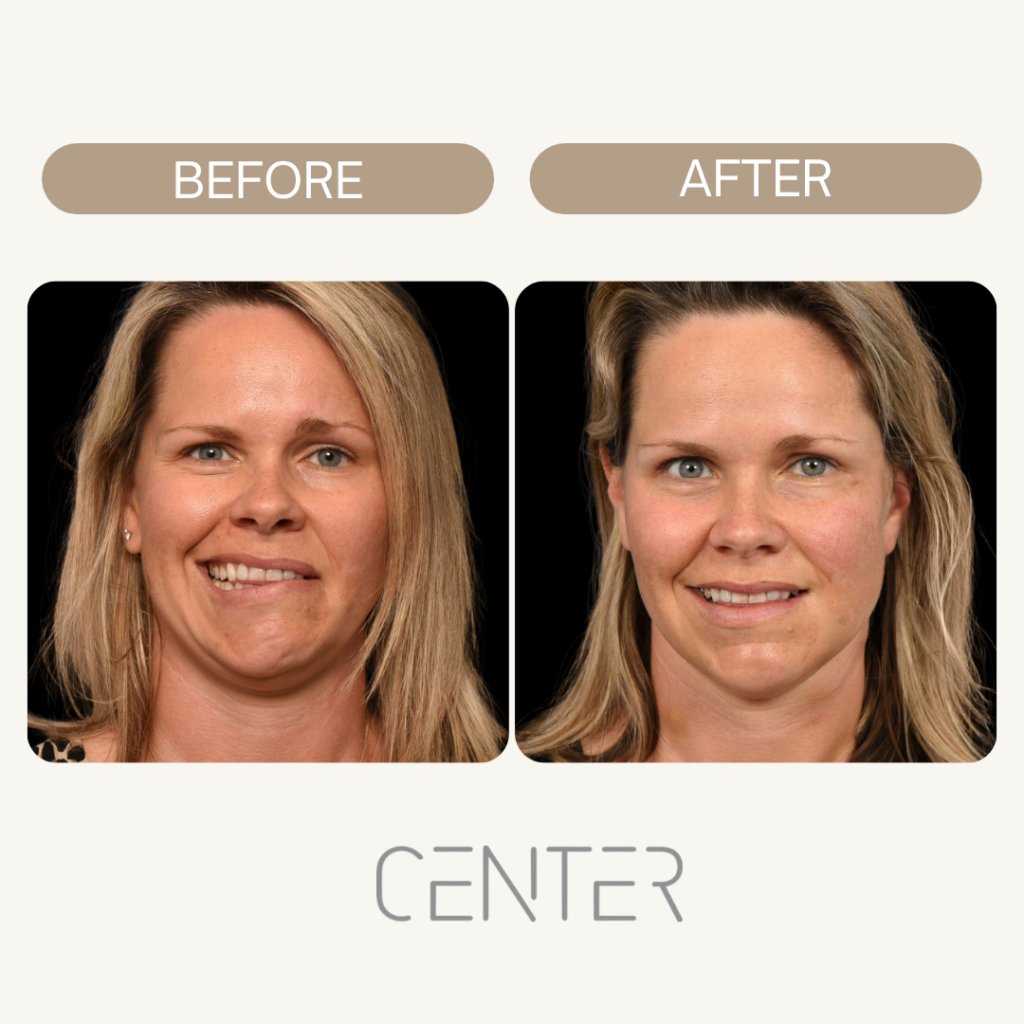
The research on acupuncture for Bell’s palsy shows mixed results. Several studies found that people who received acupuncture alongside standard medical treatment showed better recovery rates. A 2020 meta-analysis found that adding acupuncture to corticosteroid therapy improved facial function scores.
The timing of treatment matters. Starting within the first two weeks appears more effective than beginning later. Bell’s palsy has a relatively high natural recovery rate, about 70% without treatment and 85% with corticosteroids. This makes it tricky to figure out exactly how much complementary treatments for bell’s palsy like acupuncture actually contribute versus what would have happened anyway.
Combining Acupuncture with Other Treatment Approaches
The gold standard treatment for Bell’s palsy remains corticosteroids, especially when started within 72 hours. Physical therapy and exercises for bell’s palsy also play an important role in maintaining muscle tone and preventing complications like synkinesis.
If you’re considering acupuncture, think of it as part of a broader strategy. Talk to your doctor before starting, especially if you’re taking blood thinners. Make sure you’re working with a licensed acupuncturist experienced in neurological conditions. For comprehensive information about facial nerve recovery and alternative therapies, medical experts emphasize patience and realistic expectations.
When to Consider Surgical and Advanced Treatment Options
While acupuncture and conservative treatments work well for many people, some cases don’t respond as expected. If you’re still dealing with significant facial weakness after several months, it might be time to explore bell’s palsy treatment options that go beyond needle therapy. Surgical interventions can address underlying structural issues preventing full recovery.
Facial reanimation surgery helps restore movement when the facial nerve has been permanently damaged. These procedures range from nerve grafts to muscle transfers using working muscles from other parts of your body.
How the Facial Paralysis Institute Approaches Recovery
The Facial Paralysis Institute takes a comprehensive approach to treating Bell’s palsy and other facial nerve disorders. Rather than one-size-fits-all solutions, the Institute starts with a thorough evaluation examining nerve function, muscle strength, and facial symmetry.
Dr. Babak Azizzadeh, who leads the Institute, specializes in both reconstructive surgery and the aesthetic aspects of facial reanimation. His dual training means he understands not just how to restore movement, but how to create natural-looking results. Treatment plans combine physical therapy, neuromuscular retraining, selective nerve procedures, and advanced surgical techniques.
If you’re looking for comprehensive care that goes beyond temporary fixes, schedule a consultation to explore treatment options designed specifically for your recovery goals.
Frequently Asked Questions
How soon should I start acupuncture after Bell’s palsy symptoms appear?
Starting acupuncture within the first two weeks of symptoms appears to produce better outcomes. However, begin conventional treatment with corticosteroids first, ideally within 72 hours. Talk to your doctor about adding acupuncture once you’ve started standard care.
Can acupuncture replace corticosteroids for treating Bell’s palsy?
No, acupuncture should not replace corticosteroids. Research shows corticosteroids reduce inflammation and improve recovery when taken early. Acupuncture works best as complementary therapy alongside proven medical treatments.
How many acupuncture sessions will I need for Bell’s palsy?
Most acupuncturists recommend two to three sessions per week for several weeks during acute recovery. The total number depends on how your symptoms respond. Your acupuncturist should regularly assess progress and adjust the schedule.
What should I do if my Bell’s palsy isn’t improving after several months?
If you’re still experiencing significant facial weakness after three to six months, get evaluated by a facial paralysis specialist. They can assess complications and discuss advanced treatment options including surgical interventions.
Does insurance cover acupuncture for Bell’s palsy treatment?
Coverage varies depending on your insurance plan. Some plans include acupuncture benefits for specific conditions, while others don’t. Check with your insurance company before starting treatment to understand coverage details.
Making Informed Decisions About Your Recovery
Acupuncture can be a valuable part of your Bell’s palsy recovery plan when used alongside proven medical treatments. Research suggests it works best when started early and combined with corticosteroids and physical therapy. While it might help improve blood flow and reduce inflammation, what matters most is having realistic expectations and access to specialists who can guide you through the recovery process.
Request your consultation with Dr. Azizzadeh today
Call us at (310) 657-2203 to schedule an appointment.
Schedule a Consultation