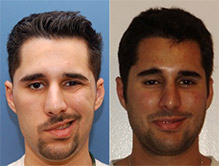
Waking up to find one side of your face drooping or unable to move can be frightening. If you’re dealing with Bell’s palsy, your first question is probably about recovery time. Most people see improvement within weeks, but the full picture depends on nerve damage severity and treatment timing.
Key Takeaways
- Most people with Bell’s palsy start seeing improvement within 2 to 3 weeks of onset.
- Complete recovery typically occurs within 3 to 6 months for about 70 to 80% of patients.
- Early treatment with corticosteroids within 72 hours significantly improves recovery chances.
- About 15 to 20% of patients may experience permanent facial weakness requiring surgical intervention.
- The House Brackmann grading system helps doctors assess severity and predict recovery outcomes.
Understanding Bell’s Palsy Duration
What is bell’s palsy causes sudden facial muscle weakness due to seventh cranial nerve inflammation. This nerve controls facial expression, and when inflamed, it becomes compressed, leading to temporary or rarely permanent paralysis. Recovery duration varies widely between patients. Understanding typical timelines helps set realistic expectations. Nerve damage severity determines how long bell’s palsy lasts for each person.
Typical Recovery Timeline
Most patients begin seeing improvement within two to three weeks. About 85% experience clinically important progress in this window. The remaining 15% recover within three to five months. The bell’s palsy recovery timeline follows predictable stages. Symptoms peak within 48 to 72 hours as facial weakness becomes most pronounced. Weeks one through three mark the acute phase with maximum nerve inflammation. This is when corticosteroid treatment matters most. Between three weeks and three months, recovery progresses as facial movement gradually returns. Severe nerve damage may require six months or longer for complete healing.
https://facialparalysisinstitute.com/blog/what-is-bells-palsy-heres-everything-you-need-to-know
Factors Affecting Recovery Duration
Age significantly influences recovery, with younger patients healing faster than those over 60. Complete paralysis requires longer recovery than partial weakness. Starting corticosteroids within 72 hours improves outcomes substantially. Chronic conditions like diabetes can slow the facial nerve healing process. Following prescribed treatments positively influences recovery.
Grading Severity and Predicting Recovery
The House Brackmann grading system assesses facial nerve dysfunction severity. This scale ranges from Grade I (normal function) to Grade VI (complete paralysis). Patients with Grade II or III weakness typically achieve excellent recovery, with 94% reaching complete function. Those with Grade IV or V face more challenging recovery. Only 61% with Grade VI paralysis recover fully without intervention. This system helps determine appropriate bell’s palsy treatment options and set realistic expectations.

When Bell’s Palsy Doesn’t Improve
About 15 to 20% of patients experience permanent weakness. If you show no improvement after three weeks, this may indicate severe nerve degeneration. Seek specialist evaluation to determine if additional intervention is necessary. Delayed recovery increases the risk of complications like synkinesis, where involuntary movements accompany voluntary expressions. Permanent complications include hemifacial spasm (16% of cases), facial contractures (17%), and eye problems when eyelid closure doesn’t recover. These lasting effects significantly impact quality of life, self-esteem, and social interactions.
Solutions for Permanent Bell’s Palsy
When Bell’s palsy causes permanent paralysis, surgery offers hope. Facial reanimation procedures provide effective options. Nerve transfer procedures like masseter to facial nerve transfer reroute jaw nerves to restore smile function. Muscle transposition moves healthy tissue to paralyzed areas. Free muscle transfer transplants muscle with nerves and blood vessels to the affected face.
The Facial Paralysis Institute specializes in advanced techniques. Dr. Babak Azizzadeh, a board-certified facial plastic and reconstructive surgeon, leads the institute with tailored procedures for each patient. His expertise in facial anatomy achieves natural-looking results. The institute monitors patients carefully, intervening at the earliest appropriate opportunity to preserve muscle quality and improve outcomes.
If you’re experiencing persistent facial paralysis or incomplete recovery from Bell’s palsy, schedule a consultation at the Facial Paralysis Institute. The expert team can evaluate your condition, discuss your treatment options, and develop a personalized plan to restore your facial function and confidence.
Living With Bell’s Palsy During Recovery
Eye care is crucial. Use artificial tears during the day and lubricating ointment at night. Wear an eye patch while sleeping if your eyelid won’t close. Choose soft foods, chew on your unaffected side, and use a straw. Emotional support matters. Connect with support groups and consider counseling if needed. Most people recover fully with appropriate care.
Preventing Recurrence
Bell’s palsy recurs in 5 to 10% of cases. There’s no guaranteed prevention. However, managing chronic conditions, getting adequate sleep, reducing stress, and maintaining immune health may help. Watch for early signs like ear pain or taste changes. Early treatment significantly improves outcomes.
Conclusion
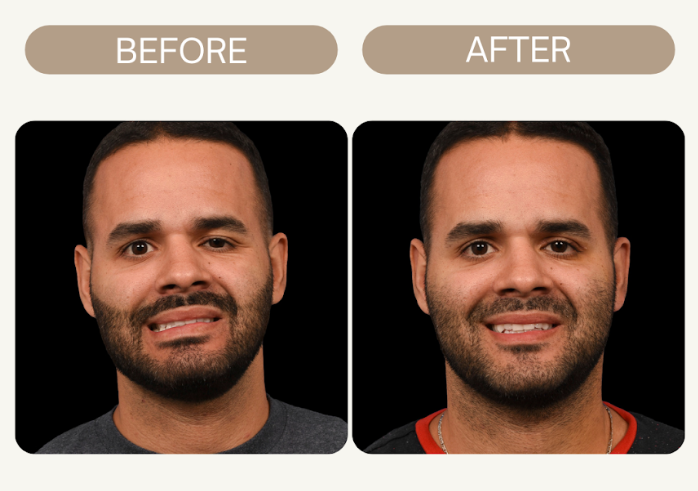
Bell’s palsy duration varies, but most people improve within weeks and recover within three to six months. Understanding timelines and seeking early treatment give you the best recovery chance. Those who don’t fully recover have access to advanced surgical options. Specialized care from experienced facial nerve surgeons offers hope for improved quality of life.
Frequently Asked Questions
How long does it take for Bell’s palsy to go away completely?
Most people see improvement within two to three weeks, with complete recovery within three to six months for 70 to 80% of patients. Some recover faster, while those with severe nerve damage may take up to nine months.
Can Bell’s palsy become permanent?
Yes, in 15 to 20% of cases, especially with severe nerve damage. Patients showing no improvement within three weeks have higher risk. Modern surgical techniques offer effective options for restoring function.
When should I see a specialist?
See a facial nerve specialist if you have no improvement within six weeks, worsening symptoms, recovery concerns, vision problems, or involuntary facial movements. Early specialist consultation improves outcomes.
Request your consultation with Dr. Azizzadeh today
Call us at (310) 657-2203 to schedule an appointment.
Schedule a Consultation