Finding the right surgeon for synkinesis isn’t like choosing a general practitioner. This is a niche condition that demands a precise combination of neurological understanding, microsurgical skill, and real experience with facial nerve disorders. Synkinesis occurs when damaged nerve fibers regenerate incorrectly, triggering involuntary muscle contractions that disrupt natural facial expression.
Treatment options range from conservative therapy to complex surgery, and not every surgeon is trained to navigate all of them. Knowing which specialists lead this field, and why, can make a meaningful difference in what a patient ultimately achieves.
Key Takeaways
- Synkinesis is a facial nerve disorder that causes involuntary muscle movements during intentional facial expressions.
- The most effective synkinesis surgeons combine facial nerve anatomy expertise with advanced microsurgical fellowship training.
- Dr. Babak Azizzadeh is globally recognized as one of the foremost authorities on synkinesis treatment.
- Selective neurolysis is a minimally invasive procedure that targets the abnormal nerve signals driving synkinesis.
- A multidisciplinary care approach that combines surgery, Botox, and neuromuscular retraining leads to the strongest outcomes.
What Is Synkinesis?
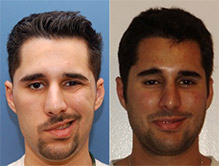
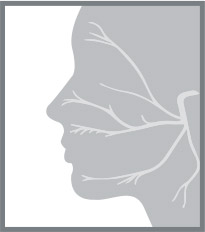
After facial nerve damage from conditions like Bell’s palsy or acoustic neuroma, the nerve sometimes heals incorrectly and synkinesis can develop. Misfiring nerve fibers cross-connect, so one group of muscles activates another unintentionally. Smiling might cause the eye to close, or blinking might create tension in the cheek.
These involuntary movements aren’t dangerous, but they can chip away at a person’s confidence and quality of life. Treatment ranges from neuromuscular retraining and Botox to surgical correction for more severe or persistent cases.
What to Look for in a Synkinesis Surgeon
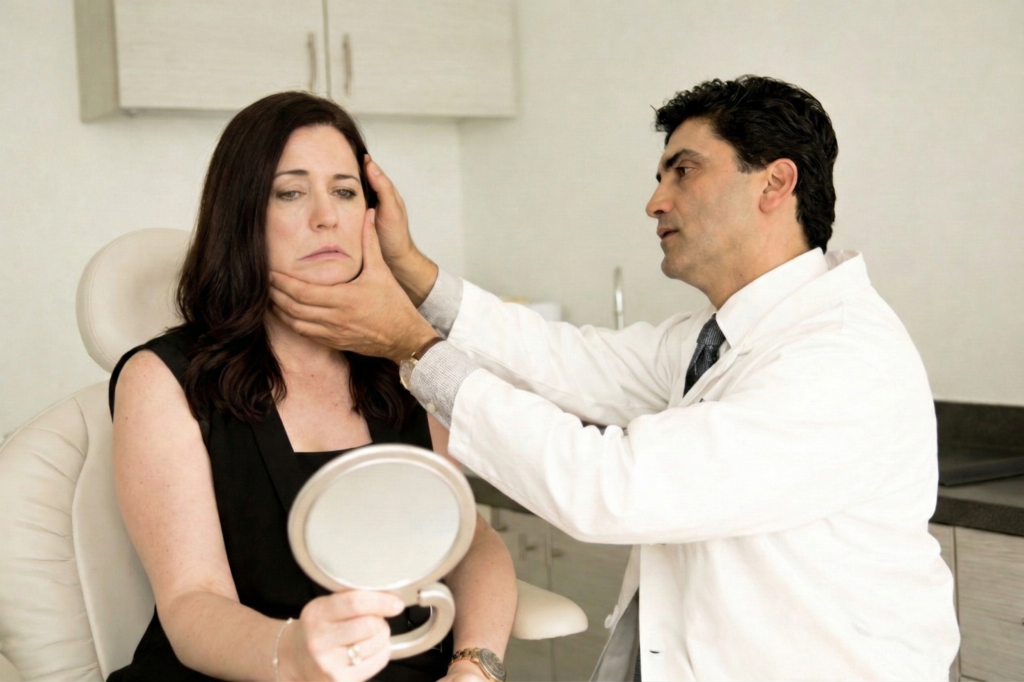
Not every facial plastic surgeon has training specific to facial nerve disorders, and that gap matters when it comes to synkinesis. A qualified specialist should hold advanced fellowship training in facial reanimation, understand facial nerve anatomy in depth, and be comfortable managing both non-surgical and surgical pathways.
The right surgeon evaluates the whole patient, not just the visible symptoms. They factor in medical history, degree of nerve misfiring, and realistic outcomes for that individual. Surgery for synkinesis should only be recommended when conservative approaches have been fully considered or when surgery offers clear functional benefit.
https://facialparalysisinstitute.com/about/meet-dr-azizzadeh
Top Experts in Synkinesis Surgery
The Facial Paralysis Institute brings together a multidisciplinary team of surgeons and specialists, each with deep experience in facial nerve conditions. These three physicians lead synkinesis care at the institute.
1. Dr. Babak Azizzadeh, MD, FACS
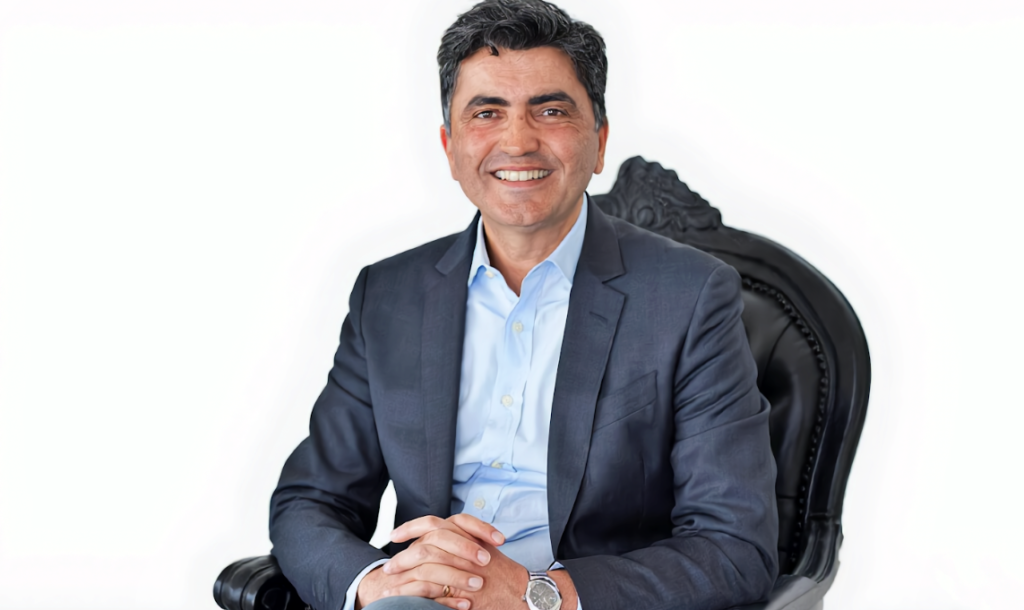
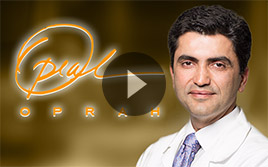
Dr. Babak Azizzadeh established the Facial Paralysis Institute and serves as its director. He is widely recognized as one of the leading experts in facial nerve care. His medical training includes head and neck surgery at UCLA, followed by a highly selective fellowship at Harvard Medical School centered on facial plastic and reconstructive procedures, including facial reanimation.
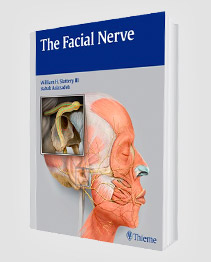
Board-certified by the American Board of Otolaryngology-Head and Neck Surgery, he is also co-editor of “The Facial Nerve,” a medical textbook used by specialists internationally. His clinical work is almost entirely focused on facial nerve conditions, from Bell’s palsy to post-paralytic synkinesis.
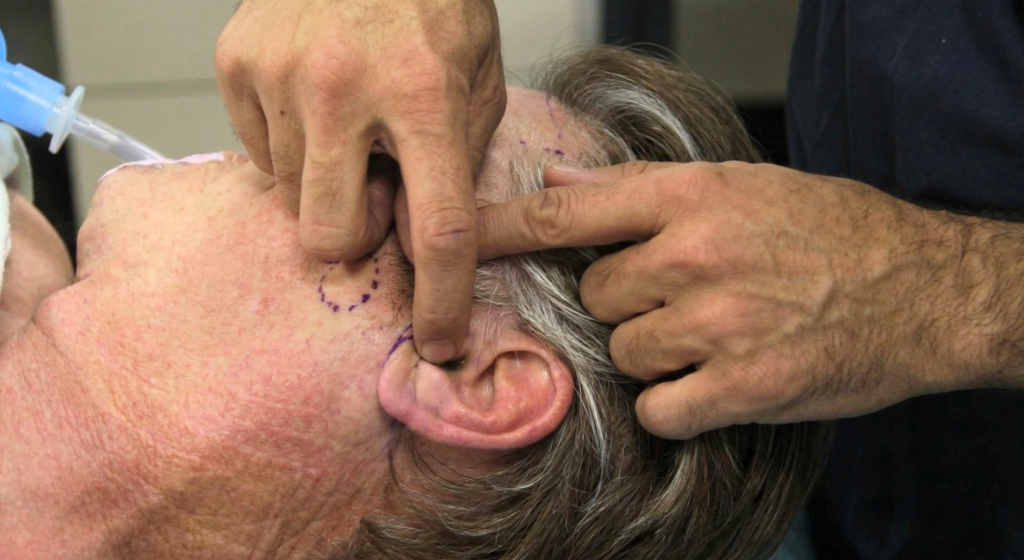
A major part of Dr. Azizzadeh’s work involves selective neurolysis, a targeted procedure that disrupts the overactive nerve signals behind involuntary facial contractions. Patients from across the country and internationally seek out Dr. Azizzadeh specifically for synkinesis cases that haven’t responded to other treatments.
2. Babak Larian, MD, FACS
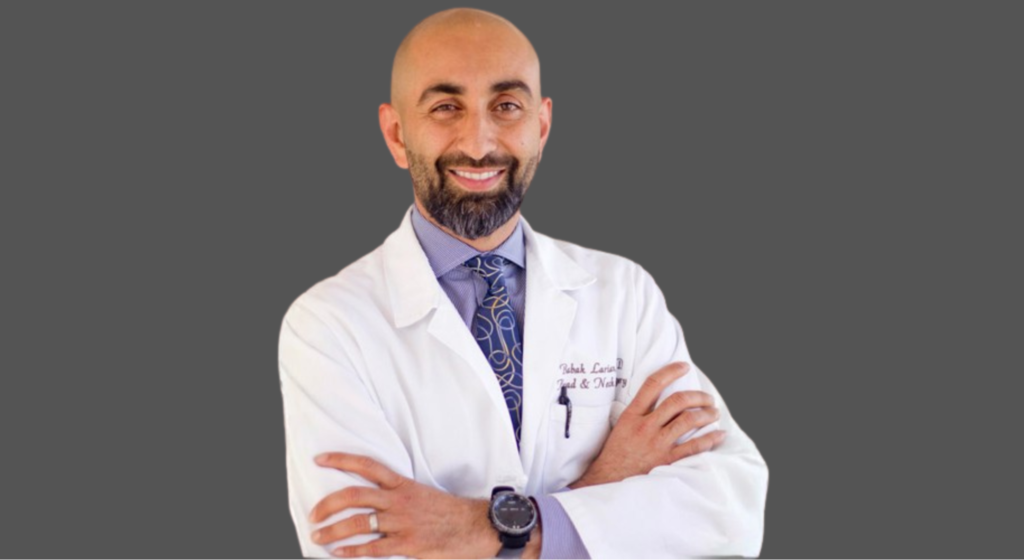
Dr. Babak Larian serves as Director of Head and Neck Surgery at the Facial Paralysis Institute and Chief of Head and Neck Surgery at Cedars-Sinai Hospital in Los Angeles. He is also an Assistant Clinical Professor of Surgery at UCLA’s David Geffen School of Medicine.
Dr. Larian focuses on parotid and endocrine tumors, an area closely linked to facial nerve preservation. Parotid surgery carries a real risk of facial nerve disruption, so his expertise in protecting nerve function during complex procedures is especially valuable when post-surgical synkinesis is part of the picture. He is board-certified by the American Board of Otolaryngology and a Fellow of the American College of Surgeons.
3. Dr. William H. Slattery III
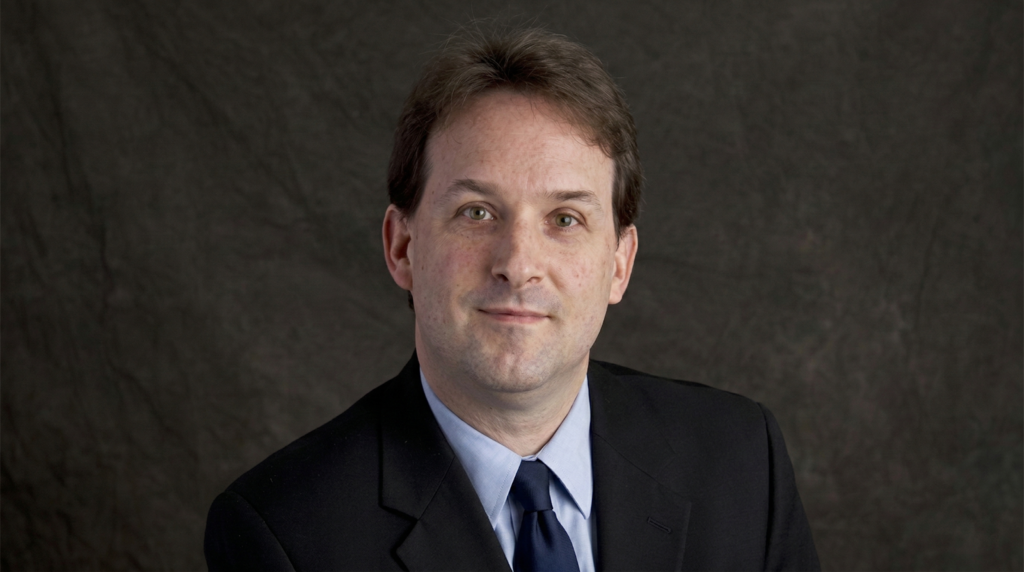
Dr. William H. Slattery III is a neuro-otologist and facial nerve specialist who directs the Center for Facial Nerve Function at the House Ear Institute in Los Angeles and holds a professorship at the University of Southern California. His research centers on the mechanisms behind facial nerve disorders, and he brings diagnostic depth to the Facial Paralysis Institute’s team.
For patients whose synkinesis followed acoustic neuroma treatment or skull base surgery, Dr. Slattery offers a level of targeted expertise that is genuinely difficult to find elsewhere. He received his medical degree from the University of Missouri-Columbia and completed his fellowship in neurotology and skull base surgery at the House Clinic.
Treatment Approaches for Synkinesis
Synkinesis treatment generally starts conservatively. Neuromuscular retraining and Botox manage symptoms effectively for mild to moderate cases. When those approaches fall short, facial reanimation surgery may be the next step.
Synkinesis surgery at a dedicated center involves careful patient selection and a personalized plan. The goal isn’t to stop all facial movement, but to restore natural balance and reduce the contractions that disrupt daily life. Patients researching available synkinesis treatments should work with a specialist who can clearly explain what to expect and which approach fits their case.
Taking the Next Step
Choosing a synkinesis specialist means looking at more than a name. It requires evaluating credentials, fellowship training, and whether a surgeon can handle the full complexity of facial nerve conditions.
The Facial Paralysis Institute offers a comprehensive team approach that covers both surgical and non-surgical care, so patients receive an informed, individualized plan.
If involuntary facial movements are affecting your daily life, early action matters. Request a consultation at the Facial Paralysis Institute to understand your options and find the right path forward.
Frequently Asked Questions
What is the most effective treatment for synkinesis?
It depends on severity. Mild cases often improve with neuromuscular retraining and Botox, while more involved presentations may call for selective neurolysis or surgery. A proper specialist evaluation will identify the right approach.
How do I find a qualified synkinesis surgeon?
Look for a board-certified facial plastic surgeon or otolaryngologist with fellowship training in facial reanimation and documented experience treating facial nerve disorders.
Is synkinesis surgery permanent?
Surgical treatments like selective neurolysis produce long-lasting results for many patients, though outcomes depend on the extent of nerve misfiring and the patient’s facial nerve health before treatment.
Can synkinesis worsen without treatment?
Synkinesis rarely resolves on its own and can intensify over time. Early treatment generally produces better functional results than waiting.
Does the Facial Paralysis Institute treat both surgical and non-surgical synkinesis cases?
Yes. The team evaluates each patient individually and recommends the most appropriate level of care, from Botox and therapy to advanced surgical procedures.
Request your consultation with Dr. Azizzadeh today
Call us at (310) 657-2203 to schedule an appointment.
Schedule a Consultation