Selective neurolysis is a well-known procedure designed to alleviate unwanted facial movements and correct asymmetry. However, there are instances when the initial surgery may not achieve the desired outcomes. This is where revision selective neurolysis comes into play—a specialized follow-up procedure aimed at refining and enhancing the results of the first operation. In this discussion, we will explore the intricacies of revision selective neurolysis, its purpose, and what it can mean
Key Takeaways
- Revision selective neurolysis addresses persisting or new difficulties following the initial surgery.
- It’s considered when the first operation didn’t fix facial asymmetry, muscle twitches, or functional deficiencies.
- Reassessing face nerves helps locate and alter previously treated or newly troublesome nerve branches.
- Surgeons use advanced imaging and nerve monitoring technologies during this delicate surgery.
- The goal is to improve facial symmetry, natural movement, and nerve function to improve quality of life.
Understanding Revision Selective Neurolysis
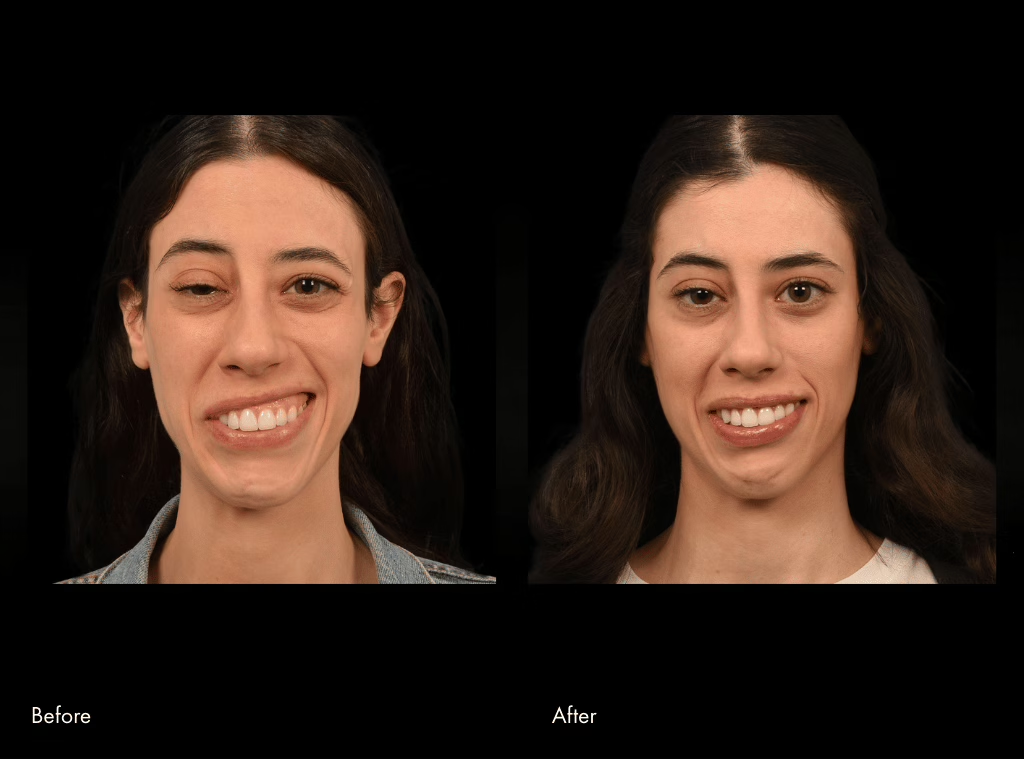
Selective neurolysis is a specialized surgical technique aimed at precisely targeting and modifying specific nerve pathways to alleviate unwanted muscle activity, such as involuntary contractions and chronic pain. This delicate procedure seeks to fine-tune nerve function, ensuring that normal voluntary movements remain intact while addressing overactive nerves. When we discuss revision selective neurolysis, we refer to subsequent interventions that occur when initial treatments fail to fully resolve issues or when new symptoms arise. This revisionary process is crucial for refining results and enhancing quality of life, particularly in cases like facial paralysis where achieving optimal facial symmetry and movement is essential. Understanding the nuances of both initial and revision selective neurolysis is key to navigating the complexities of nerve-related conditions and improving patient outcomes.
Dr. Babak Azizzadeh’s Pioneering Approach to Revision Selective Neurolysis
Dr. Babak Azizzadeh has been at the forefront of selective neurolysis, transforming it into a reliable treatment for individuals suffering from synkinesis due to Bell’s Palsy, Ramsay Hunt Syndrome, and other facial nerve disorders. His methodology emphasizes precision and clinical judgment, acknowledging that while selective neurolysis can yield significant improvements, it is not a guaranteed solution for everyone. Achieving optimal results relies on a blend of surgical skill, careful patient selection, and a comprehensive recovery plan that includes targeted facial retraining.
For patients who experience partial improvement or whose symptoms change over time, Dr. Azizzadeh has created a systematic approach to revision procedures. This refined method enables precise modifications to previous surgeries, enhancing facial balance, control, and natural expression. The outcome is a customized, stepwise approach to achieving better function and symmetry, underscoring a dedication to maximizing results at every stage of treatment.
Indications for Revision Selective Neurolysis
Selective neurolysis may not always be successful on the first try, or things may change over time. Revision selective neurolysis can help with it. It’s about fine-tuning and fixing problems that have arisen or weren’t completely handled, not about beginning over.
Addressing Persistent or Recurrent Symptoms
If you’re still dealing with unwanted facial movements or muscle tightness after your initial procedure, a revision might be necessary. This could mean that some nerve branches weren’t fully addressed, or perhaps new connections have formed, leading to the return of symptoms. It’s like a weed that grows back – you need to get to the root this time.
- Persistent Spasms: Muscles continue to twitch or contract involuntarily.
- Recurrent Tightness: A feeling of stiffness or pulling in the face that returns.
- Unchanged Asymmetry: The facial imbalance you sought to correct remains noticeable.
Managing Complications from Prior Interventions
Even with the best surgical care, complications can sometimes arise. These might include excessive weakness in certain areas, unintended changes in sensation, or even the development of synkinesis if it wasn’t present before. A revision procedure can help to mitigate these issues and bring your facial function back into better balance. It’s about fixing what wasn’t intended.
Optimizing Functional Outcomes Post-Initial Treatment
Optimizing functional outcomes post-initial treatment involves revision selective neurolysis, which aims to enhance natural movement and symmetry after initial surgery. This procedure refines nerve pathways for improved facial expression and communication. It showcases the complexity of facial nerve surgery and is not a failure, but rather an adaptation to meet evolving patient needs. The process includes re-evaluating facial nerve pathways using advanced imaging and intraoperative monitoring to preserve positive movement nerves while targeting those causing unwanted actions. For more information on conditions that might lead to needing this type of procedure, you can look into facial nerve disorders.
The Surgical Approach in Revision Procedures
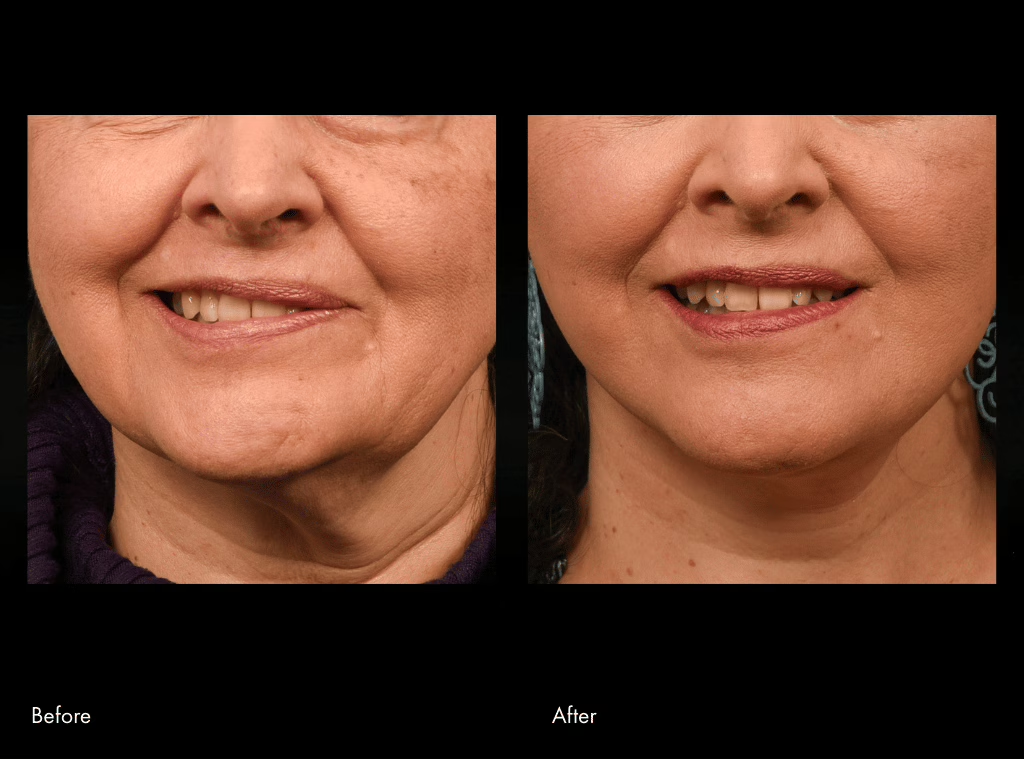
When it comes to revision selective neurolysis, the surgical strategy often needs to be more refined than during the initial procedure. You’re not just going in blind; you’re working with a landscape that’s already been altered. This means we need to be extra careful and precise.
Advanced Diagnostic Techniques for Revision
Before we even think about picking up a scalpel, we’ll likely use some advanced imaging or diagnostic tools. This helps us get a really clear picture of what’s happening under the surface. Think of it like a detailed map of the area, showing us exactly where the nerves are and how they’re behaving. This might involve specialized nerve conduction studies or even high-resolution ultrasound to pinpoint the exact nerves causing trouble. This detailed mapping is key to a successful revision.
Precision Nerve Identification and Manipulation
Once we’re in surgery, identifying the specific nerves is paramount. We’ll use electrical stimulation to confirm which branches are active and causing the unwanted movements. It’s a bit like listening for a specific signal in a noisy room. We’re looking for those problematic branches that might have been missed or have started to re-innervate since the first surgery. Careful dissection is required to isolate these nerves, often with small amounts of surrounding tissue, to ensure we’re targeting the right ones without affecting healthy nerves. This meticulous approach is what allows for precise nerve targeting.
Minimally Invasive Strategies in Revision
Just like with the initial surgery, we aim to be as minimally invasive as possible. This means using smaller incisions and specialized instruments to reduce trauma and speed up your recovery. The goal is to achieve the desired outcome with the least amount of disruption to your facial structures. Sometimes, this involves working through the original incision if it’s still viable, or creating a new, very small opening. We’re always looking for ways to make the procedure as gentle as possible while still being effective.
Patient Selection and Candidacy for Revision
Patient selection and candidacy are critical components that require thorough evaluation. This process begins with a comprehensive review of the patient’s previous treatment modalities, including surgeries and injections, to understand their medical history and the outcomes of past interventions. By piecing together the narrative of the patient’s facial nerve condition, healthcare providers can better determine the most appropriate path forward. Additionally, assessing the integrity and functionality of the facial nerves through advanced imaging and specialized testing is essential to gauge the current state of the nerve pathways. This detailed evaluation not only informs the surgical approach but also helps predict potential responses to revision procedures. Furthermore, setting realistic expectations for the outcomes of revision surgery is paramount. Open discussions about the potential benefits and limitations of the procedure ensure that patients are well-informed and comfortable with their treatment plan. Ultimately, this comprehensive approach aims to achieve the best possible results while acknowledging the complexities involved in revision surgery.
Here’s a general idea of what we aim for:
- Restoration of more natural facial symmetry.
- Reduction in involuntary muscle movements (synkinesis).
- Improved ability to control specific facial expressions.
We’ll discuss these points in detail, considering your individual circumstances.
Potential Benefits and Expected Outcomes
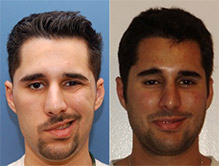
Revision selective neurolysis emerges as a promising solution for individuals seeking to regain their natural facial expressions and alleviate unwanted muscle activity. This advanced procedure aims to untangle problematic nerve connections that may have developed after an initial surgery, paving the way for more coordinated and spontaneous facial movements. By targeting the nerve pathways responsible for involuntary muscle contractions, revision selective neurolysis not only enhances facial symmetry and control but also significantly improves the quality of life for patients. As individuals experience a reduction in distracting muscle activity, they often find renewed confidence and self-esteem, leading to more enjoyable social interactions. This introduction explores the potential benefits and expected outcomes of revision selective neurolysis, highlighting its role in restoring not just facial function, but also a sense of self.
Here’s what you might expect:
- Improved Symmetry: A more balanced look between the two sides of your face during both rest and movement.
- Reduced Synkinesis: Less noticeable involuntary muscle contractions that occur alongside intended movements.
- Greater Control: A better ability to make voluntary facial expressions without interference.
- Increased Confidence: Feeling more at ease in social situations due to improved facial appearance and function.
Navigating the Recovery Process
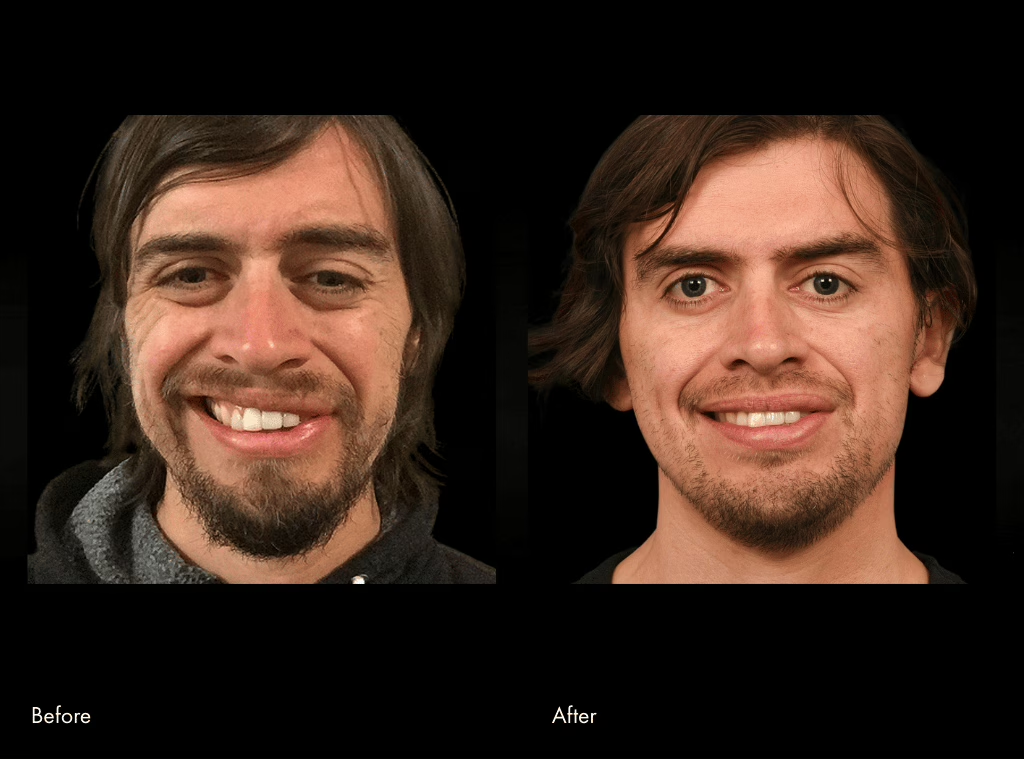
Post-operative care following a revision selective neurolysis procedure is crucial for a successful recovery. Patients should adhere to their surgeon’s instructions, monitor their facial muscle changes, and engage in long-term rehabilitation to optimize results. Recovery timelines vary, and maintaining communication with the medical team is essential for managing anxiety and ensuring proper healing. These are the few things to remember.
- Follow specific post-operative care instructions from your surgeon.
- Keep the surgical site clean and dry to prevent complications.
- Expect mild swelling or discomfort; avoid strenuous activities during recovery.
- Monitor facial muscle behavior for changes; document progress for follow-up appointments.
- Engage in physical therapy and facial exercises for long-term rehabilitation.
- Recovery timelines can vary from weeks to months.
- Maintain communication with your medical team and ask questions to ease anxiety.
Getting better after facial paralysis can feel like a long road. It’s important to know what steps to take to help your recovery. We’ve put together some helpful information to guide you through this process. Visit our website to learn more about navigating your recovery journey and find the support you need.
Wrapping Things Up
Selective neurolysis is a specialized surgical procedure designed to address specific nerve issues that lead to unwanted muscle movements, particularly following facial paralysis. By targeting the problematic nerves, the surgery aims to restore normal function and improve the quality of life for affected individuals. If you believe this treatment could be beneficial, consulting with a knowledgeable doctor is essential to determine if it is the appropriate option for your situation.
Request your consultation with Dr. Azizzadeh today
Call us at (310) 657-2203 to schedule an appointment.
Schedule a Consultation