Unexpected complications can arise from seemingly minor issues. One such example is the common ear infection, often dismissed as a trivial concern, which can surprisingly lead to serious conditions like facial paralysis. This connection may sound alarming, but understanding the signs and necessary actions is crucial for effective management. In this discussion, we will explore the link between ear infections and facial paralysis, equipping you with essential knowledge to navigate this health issue more effectively.
Key Takeaways
- Long-lasting or severe ear infections might harm the facial nerve, which runs near the ear. This can cause facial paralysis, when one side droops.
- Watch for sudden facial weakness or drooping, difficulties shutting an eye, or a crooked smile. Immediately see a doctor if these occur.
- Antibiotics, antivirals, and steroids diminish edema. Physical therapy can restore muscle control.
- Many cases recover, especially with immediate treatment, although severe nerve damage or delayed therapy might cause lasting impairment. Ramsay Hunt Syndrome can also cause this.
- Ear infections can be prevented by maintaining your ears, treating allergies and colds, and boosting your immune system. Ear problems need early treatment.
Understanding The Connection Between Ear Infections And Facial Paralysis
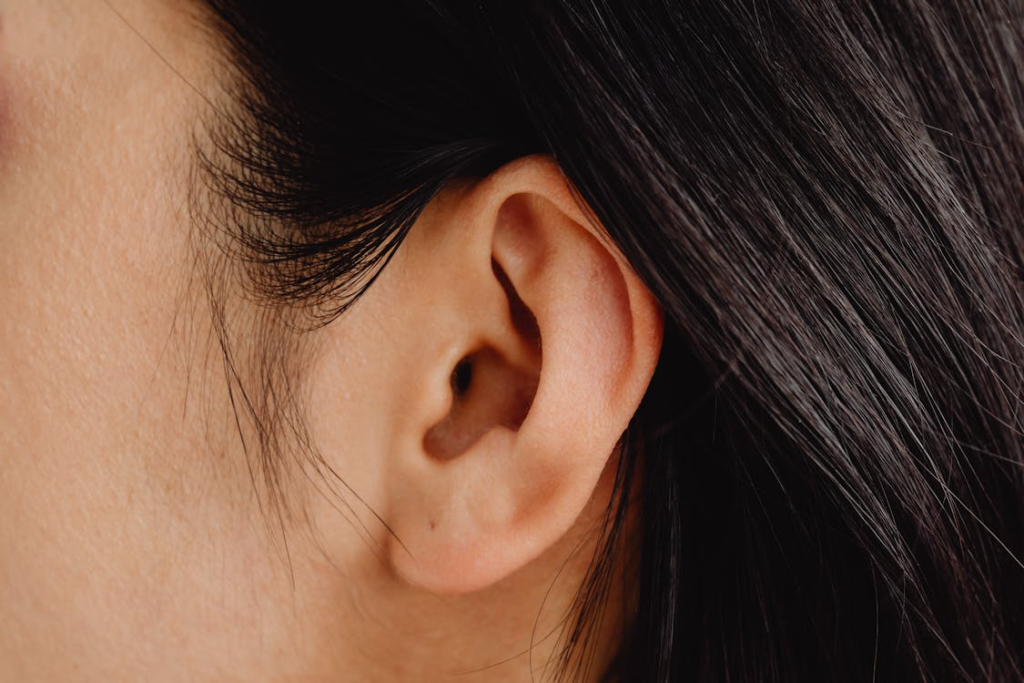
Ear infections and facial paralysis may seem unrelated at first glance, but a closer examination reveals a significant connection rooted in the anatomy of the facial nerve. This intricate nerve, known as the seventh cranial nerve, is responsible for facial expressions and runs near the middle ear, making it vulnerable to complications from ear infections. When the middle ear becomes infected, inflammation and pressure can disrupt the facial nerve’s function, potentially leading to paralysis. However, it’s crucial to recognize that not all cases of facial paralysis stem from ear infections; other conditions, such as Bell’s palsy or Ramsay Hunt syndrome, can also cause similar symptoms. Understanding these relationships is essential for accurate diagnosis and effective treatment, highlighting the importance of medical evaluation when facial weakness occurs alongside ear issues.
Real Patient Insight: Ear Infection–Induced Facial Paralysis and Recovery Timeline
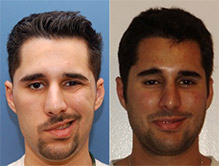
While medical explanations help clarify how ear infections can affect the facial nerve, real patient experiences often make the condition easier to understand and less overwhelming. In one shared case, an individual developed a severe ear infection that progressively worsened over several days before leading to sudden, one-sided facial paralysis.
Early symptoms were not limited to ear pain. Subtle warning signs began to appear as the infection intensified, suggesting that the facial nerve was already under stress.
Initial warning signs included:
- Persistent and worsening ear pain
- Swelling around the jaw (TMJ area)
- Partial loss of taste on the affected side
- Increasing pressure and discomfort in the ear
As the condition progressed, the individual woke up with complete facial paralysis on the same side as the infection, unable to close the eye, move the forehead, or smile. Initially diagnosed as Bell’s palsy, the diagnosis was later refined after further evaluation confirmed that the ear infection itself was compressing the facial nerve.
Once the correct diagnosis was made, treatment became more targeted and effective.
Treatment approach included:
- Oral antibiotics to address the infection
- Antiviral medication as a precautionary measure
- Corticosteroids to reduce inflammation and nerve compression
Recovery did not happen immediately, but it followed a pattern that specialists often recognize in similar cases.
Typical recovery progression:
- Week 1 to 2: Little to no improvement in facial movement
- Week 2 to 3: Infection begins to subside and facial twitching starts
- Week 3 to 4: Gradual return of movement, including eye closure and improved speech
- Around 1 month: Near complete recovery with minor lingering asymmetry
One key takeaway is that recovery tends to occur gradually and unevenly. Some areas of the face, especially the smile, may take longer to return to normal, even when overall function improves significantly.
This real-world example reinforces several important points:
- Severe ear infections can directly impact the facial nerve
- Misdiagnosis as Bell’s palsy can happen without thorough evaluation
- Proper and timely treatment significantly improves recovery outcomes
- Even severe paralysis can resolve with minimal long-term effects
Most importantly, it offers reassurance. With the right care and early intervention, recovery is not only possible, it is highly likely in many cases.
Regaining Confidence After Facial Paralysis Surgery
Recognizing The Symptoms And Seeking Timely Intervention
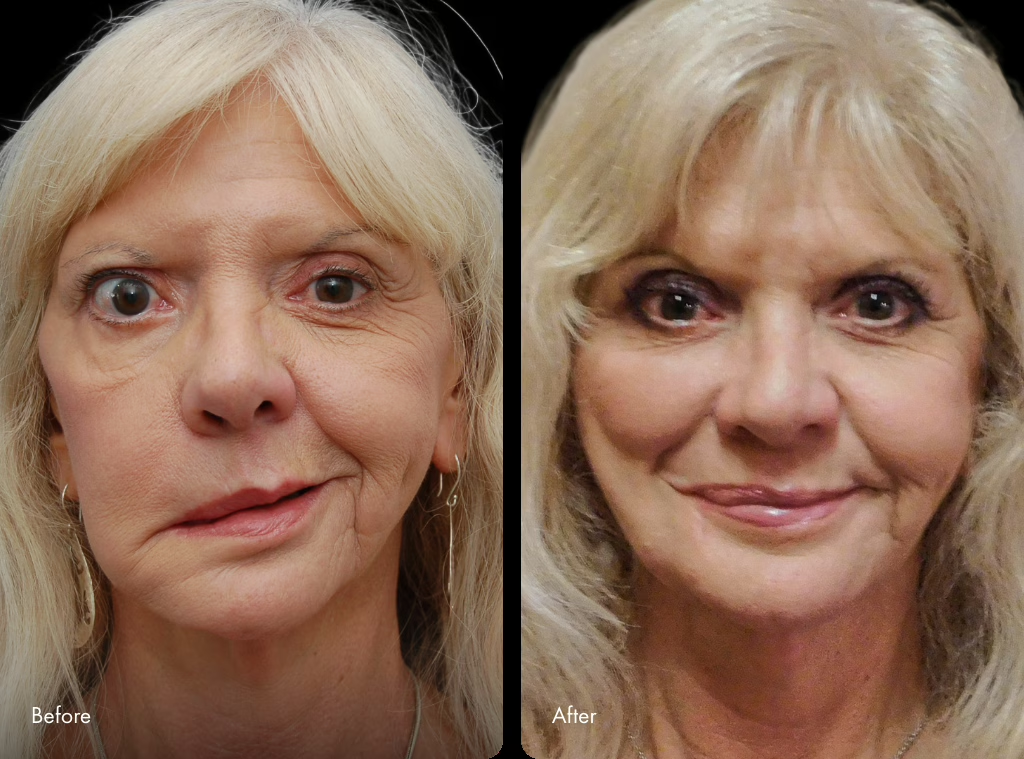
Understanding the symptoms of ear-related issues is crucial for timely intervention and treatment. While an earache may seem like a minor inconvenience, it can sometimes indicate more serious conditions, such as facial paralysis. Recognizing the signs of middle ear inflammation, or otitis media, is essential, as it often presents with symptoms like persistent pain, a feeling of fullness, discharge, and potential hearing loss. Additionally, facial nerve compromise can manifest through noticeable facial asymmetry and difficulties with expressions, eye closure, and speech. Being aware of these symptoms can empower individuals to seek medical help promptly, ensuring better outcomes and preventing complications.
The Critical Importance of Prompt Medical Consultation
If you suspect you have an ear infection that’s causing facial weakness, don’t delay in seeking medical advice. The sooner you see a doctor, the better the chances for a full recovery. For conditions like Bell’s palsy, starting treatment within the first few days can make a significant difference in the outcome. In cases of Ramsay Hunt syndrome, which is caused by the shingles virus, early and aggressive treatment with antivirals and steroids is particularly important to prevent lasting damage. Prompt intervention can help manage inflammation and prevent further complications. You can find more information about facial palsy and its management at facial palsy services.
Here’s a quick rundown of what to do:
- Assess your symptoms: Note down all the signs you’re experiencing, from ear pain to facial weakness.
- Contact your doctor immediately: Describe your symptoms clearly. If it’s outside of office hours, consider an urgent care clinic or emergency room.
- Follow medical advice: Adhere strictly to the treatment plan prescribed by your healthcare provider, whether it involves medication or other therapies.
What Kind of Doctor Treats Facial Nerve Problems?
Exploring The Spectrum Of Treatment Modalities
Understanding the symptoms of ear-related issues is crucial for timely intervention and treatment. While an earache may seem like a minor inconvenience, it can sometimes indicate more serious conditions, such as facial paralysis. Recognizing the signs of middle ear inflammation, or otitis media, is essential, as it often presents with symptoms like persistent pain, a feeling of fullness, discharge, and potential hearing loss. Additionally, facial nerve compromise can manifest through noticeable facial asymmetry and difficulties with expressions, eye closure, and speech. Being aware of these symptoms can empower individuals to seek medical help promptly, ensuring better outcomes and preventing complications.
Assessing The Potential For Permanent Impairment
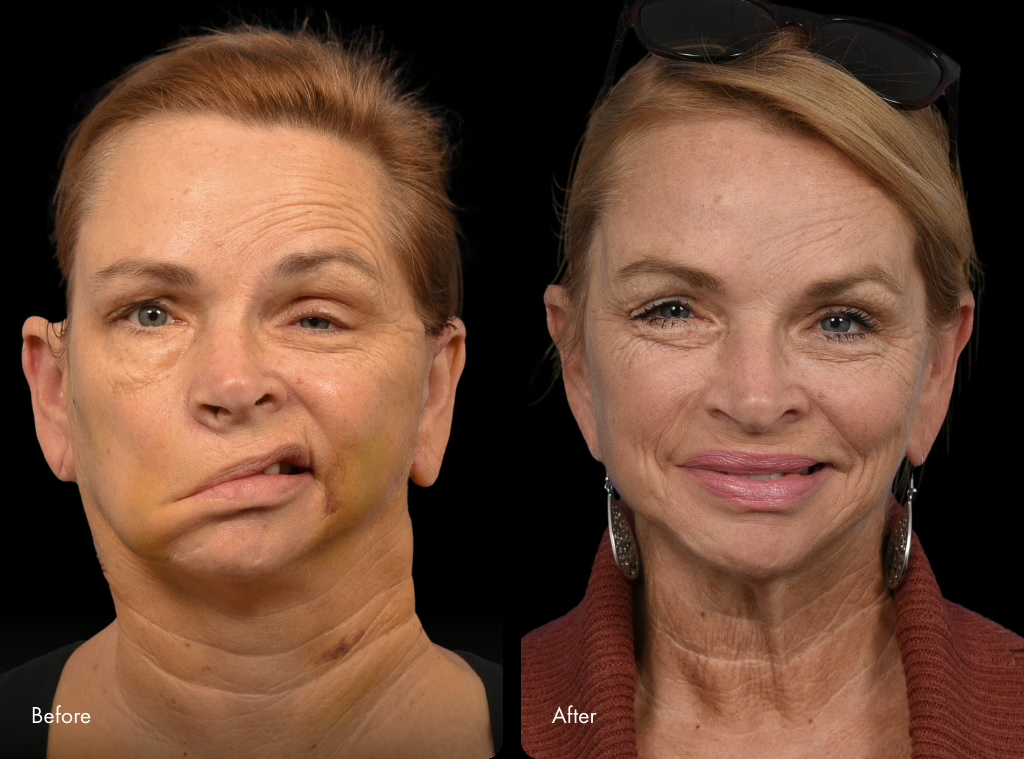
Facial paralysis can lead to concerns about long-term effects, with many individuals experiencing significant improvement within weeks or months. However, some may face lasting impairment, influenced by factors such as the severity of nerve damage, the underlying cause (e.g., Ramsay Hunt syndrome vs. Bell’s palsy), and the health of the nerve. Timely medical treatment, particularly corticosteroids, is crucial for reducing inflammation and preventing long-term damage. Delayed treatment can hinder recovery, especially if surgery is needed. Ramsay Hunt syndrome, caused by the varicella-zoster virus, can complicate recovery and increase the risk of permanent impairment, highlighting the importance of accurate diagnosis and prompt intervention.
Preventative Strategies And Risk Mitigation
Preventative strategies for optimal ear health include keeping the ear canal clean and dry, avoiding deep insertion of objects, and regularly cleaning hearing devices. Strengthening the immune system through adequate sleep, a balanced diet, regular exercise, and stress management is crucial for infection prevention. Individuals with underlying conditions such as diabetes or allergies need to manage these effectively to reduce the risk of ear infections. Early intervention for health concerns and consultation with specialists can provide tailored advice and management strategies to mitigate risks associated with ear health.
Here are some general tips to consider:
- Practice good hand hygiene to avoid spreading germs.
- Avoid close contact with individuals who have active infections.
- Stay up-to-date with recommended vaccinations, as some can prevent infections that may lead to ear problems.
- Consider the use of humidifiers in dry environments to keep mucous membranes moist, which can help prevent infections.
Facial Nerve Paralysis: Decompression Surgical Options
Navigating The Diagnostic Landscape
When you’re dealing with facial paralysis that might be linked to an ear infection, figuring out exactly what’s going on is the first big step. It’s not always straightforward, and a thorough evaluation is key. Your doctor will start by talking with you about your symptoms and how they’ve developed. This includes when the paralysis started, if it came on suddenly or gradually, and any other issues you’ve noticed, like ear pain, hearing changes, or dizziness.
Clinical Evaluation and Symptom Assessment
This initial chat is super important. They’ll look closely at your face to see the extent of the paralysis and check how well you can move different parts of your face. They’ll also examine your ear to look for signs of infection, like redness, swelling, or fluid buildup. Sometimes, a simple physical exam can point you in the right direction, but often, more detailed tests are needed to get a clear picture. The goal is to pinpoint the cause and severity of the nerve issue.
The Utility of Imaging in Identifying Complications
To get a better look inside, imaging tests are often used. A high-resolution CT scan of the temporal bone is particularly useful. This allows doctors to see the delicate structures of the ear and the path of the facial nerve. They can check for things like bone erosion or defects around the nerve, which can happen with chronic infections or cholesteatoma. These scans can show if the nerve is being compressed or if there’s inflammation spreading. Sometimes, an MRI might be ordered if there’s a suspicion of other issues, like a tumor or inflammation within the brain itself, though CT is usually the go-to for ear-related problems. This imaging helps in planning any necessary surgical interventions.
Interpreting Audiological and Neurological Assessments
Beyond imaging, specific tests can assess how well your hearing is working and how the facial nerve is functioning. An audiogram, or hearing test, can reveal if the ear infection has affected your hearing, which is common. Nerve conduction studies or electromyography (EMG) might be used in some cases to measure the electrical activity of the facial nerve and muscles. This can help determine if the nerve is damaged and how severely. These combined assessments paint a detailed picture, guiding the medical team toward the most effective treatment plan for your specific situation.
Figuring out what’s causing facial paralysis can feel like a puzzle. There are many reasons why someone might experience this, from injuries to specific medical conditions. Understanding these different paths is the first step toward finding the right help. If you’re trying to make sense of your diagnosis, we can guide you. Visit our website to learn more about the various causes and treatments available.
Conclusion
Ear infections should not be underestimated, as they can lead to serious complications like facial paralysis if left untreated. Early detection and prompt treatment are crucial in preventing long-term issues. It is essential to be vigilant about symptoms and maintain good ear hygiene to safeguard your health. By taking proactive measures and seeking medical advice when necessary, you can effectively manage ear infections and protect your overall well-being.
Request your consultation with Dr. Azizzadeh today
Call us at (310) 657-2203 to schedule an appointment.
Schedule a Consultation