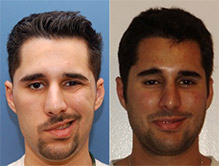
Parotid surgery is one of the most delicate head and neck procedures. It requires the skill of a multidisciplinary team, typically a head and neck surgeon and a facial plastic and reconstructive surgeon to ensure both tumor removal and protection of the facial nerve. When performed by experienced specialists, this procedure can successfully remove parotid gland tumors while preserving natural facial movement and expression. However, when done improperly, a parotidectomy can put the facial nerve at risk, potentially leading to facial paralysis or asymmetry.
Understanding the Parotid Glands
Humans have two parotid glands, one on each side of the face just in front of the ears. These are the largest salivary glands, responsible for producing saliva that helps digest food and protect the mouth from bacteria. Together with the sublingual and submandibular glands, the parotid glands keep the oral cavity lubricated and play a key role in preventing cavities and gum disease.
Common Causes: Parotid Gland Tumors
Parotid gland tumors are the most common type of salivary gland tumor They often present as a painless lump or swelling in front of the ear, along the jawline or on the cheek. Most are benign particularly pleomorphic adenomas but even benign tumors require removal because they can enlarge or become malignant over time.
The Link Between the Parotid Gland and the Facial Nerve
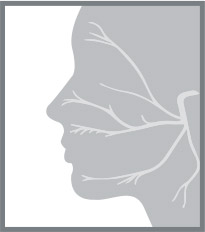
The facial nerve (cranial nerve VII) runs directly through the parotid gland and branches across the face, controlling nearly every facial expression — from blinking and smiling to frowning and raising the eyebrows. Because of this close anatomical relationship, preserving the facial nerve during parotid surgery is a critical priority.
Dr. Babak Azizzadeh, globally recognized for his expertise in facial nerve preservation and reconstruction, works in partnership with Dr. Babak Larian, a leading head and neck surgeon specializing in minimally invasive parotid surgery. Together, they design a custom treatment plan that ensures the safe removal of the parotid tumor while maintaining normal facial function.
How Parotid Surgery Is Performed
During a parotidectomy, Dr. Larian makes a small incision hidden along natural skin creases to minimize visible scarring. The skin is gently lifted to expose the parotid gland, and advanced surgical navigation tools are used to identify and protect the facial nerve.
Dr. Azizzadeh and Dr. Larian employ intraoperative nerve monitoring technology (Nerve Integrity Monitor) to track the nerve’s function in real time. This ensures that all branches of the facial nerve remain intact while the tumor is safely removed.
Once the tumor is excised, Dr. Azizzadeh stimulates the facial nerve branches to confirm their function and then reconstructs the treatment area to achieve balanced, symmetrical facial contours.
When Facial Nerve Reconstruction Is Required
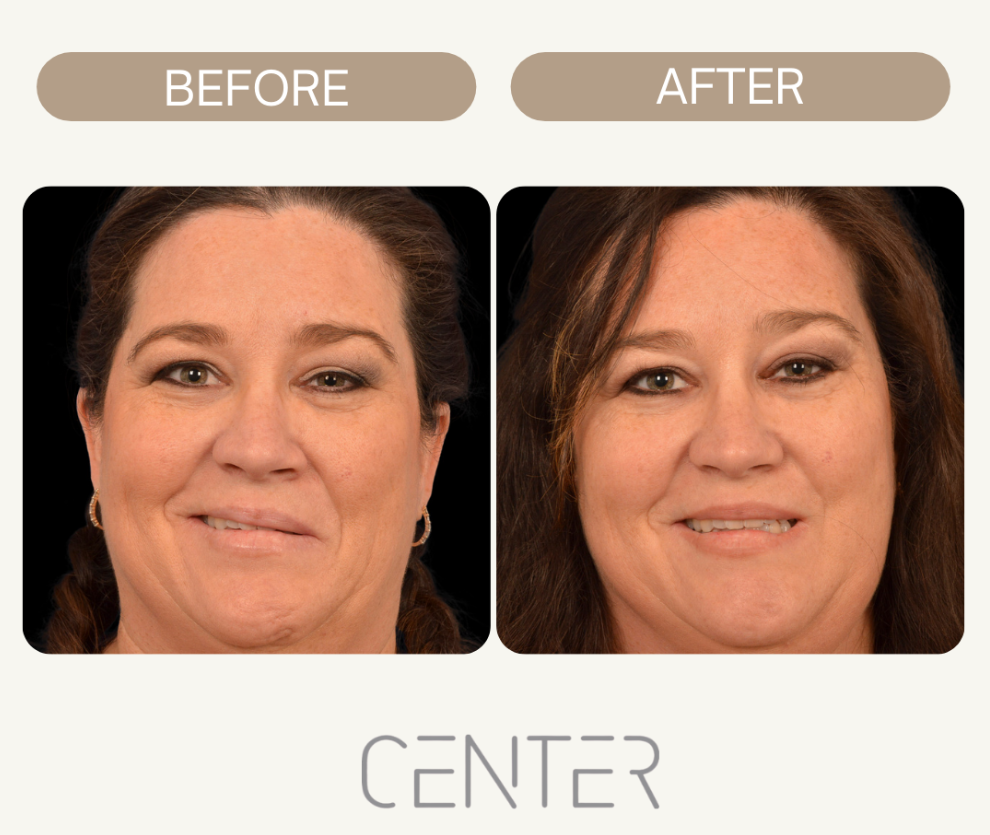
In rare cases typically when the tumor is malignant or entangled with the facial nerve the nerve cannot be preserved. In such situations, Dr. Azizzadeh use advanced nerve reconstruction techniques which may include
- Nerve grafting (using a donor nerve to bridge a damaged section)
- Cross-facial nerve grafts to restore symmetrical movement
- Nerve transfer procedures (e.g., masseteric or hypoglossal transfer)
These sophisticated reconstructive approaches help patients regain natural facial tone, movement, and confidence.
A Personalized Surgical Approach
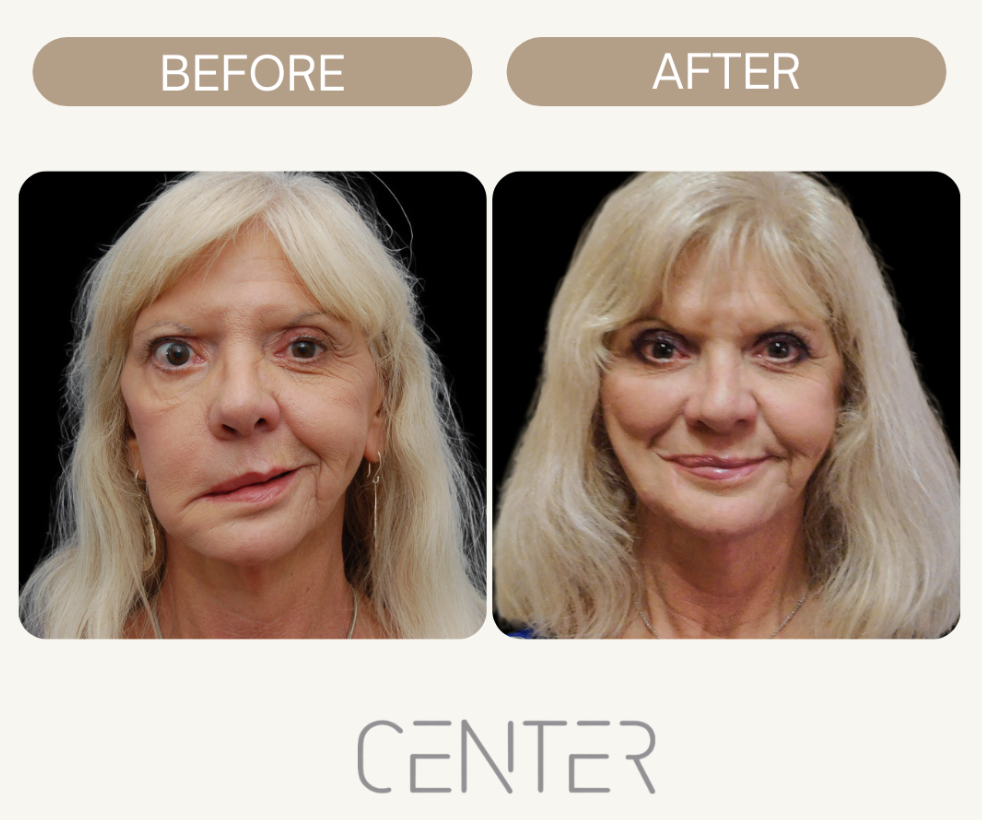
Each patient’s facial nerve anatomy is unique. Dr. Azizzadeh and Dr. Larian use advanced imaging and intraoperative mapping to plan the safest path for each case. This precision-driven, team-based approach minimizes the risk of facial nerve injury and helps achieve the most natural-looking outcomes after surgery.
With their combined expertise, they not only remove the tumor but also preserve facial function, protecting the ability to smile, blink, and express emotions naturally.
When to Seek Help
If you develop sudden facial paralysis, seek emergency care immediately to rule out serious conditions such as stroke or nerve inflammation.
If facial paralysis persists for nine months or longer, or if a tumor is identified near the parotid region, a consultation for parotid surgery may be recommended.
Dr. Azizzadeh conducts comprehensive evaluations to determine whether parotid surgery or facial nerve repair is appropriate. Each treatment plan is custom-tailored to the patient’s anatomy, diagnosis, and aesthetic goals.
Schedule a Parotid Surgery Consultation
Dr. Babak Azizzadeh and Dr. Babak Larian offer world-class expertise in parotid tumor removal and facial nerve preservation at The Facial Paralysis Institute in Beverly Hills. Their collaborative approach helps patients achieve safe, effective, and natural-looking results.
Call (310) 657-2203 or contact us online to schedule your consultation today.
Request your consultation with Dr. Azizzadeh today
Call us at (310) 657-2203 to schedule an appointment.
Schedule a Consultation