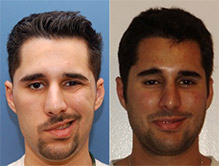
Post-surgical facial paralysis is a deeply distressing outcome, impacting speech, eating, and emotional expression. While often overlooked during surgical preparation, the risk to facial function is significant in certain procedures. Patients deserve to understand these risks before undergoing surgery near the facial nerve.
Key Takeaways
- Certain surgeries carry a significantly higher risk of damaging the facial nerve due to its proximity to the surgical site.
- Parotid gland surgery is among the highest-risk procedures for facial nerve injury because the nerve runs directly through the gland.
- Acoustic neuroma removal near the brainstem requires exceptional surgical skill to preserve facial nerve function.
- Facelift surgery, while cosmetic, can cause temporary or permanent facial nerve damage if not performed by an experienced surgeon.
- Early intervention after nerve injury significantly improves the chances of restoring facial movement and function.
Why Certain Surgeries Put the Facial Nerve at Risk
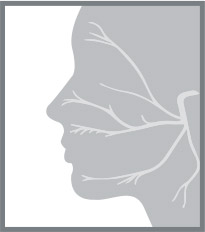
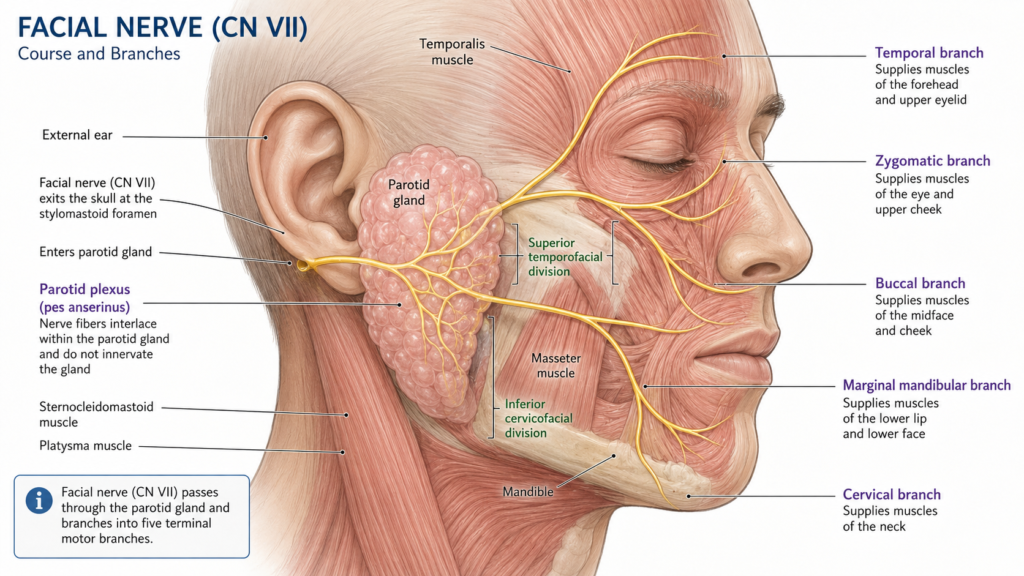
Cranial nerve VII, the facial nerve, manages all voluntary facial muscle movement. Originating at the brainstem, it passes through the skull and parotid gland before spreading across the face. Due to this complex path, any nearby surgery carries risk; greater procedural complexity increases the likelihood of temporary or permanent damage.
Nerve injuries range from mild, where function returns fully within weeks, to severe cases requiring reconstructive intervention. Understanding which surgeries carry the most risk helps patients make informed decisions and seek care from surgeons with specialized expertise in facial nerve preservation.
The 3 Surgeries With the Highest Risk of Facial Paralysis
1. Parotidectomy (Parotid Gland Surgery)
Of all surgeries that put the facial nerve at risk, parotidectomy sits at the top of the list.
The parotid gland, the body’s largest salivary gland, encapsulates the facial nerve, necessitating extreme surgical precision during removal. Surgeons must meticulously trace the nerve, yet it remains vulnerable to stretching, pressure, or accidental injury.
Risks escalate with total parotidectomies or when tumors are adjacent to the nerve, often resulting in temporary weakness or permanent damage. According to parotidectomy information from Johns Hopkins Medicine, facial nerve injury is one of the most common complications of this procedure, which is why choosing a surgeon with specific experience in this area matters enormously.
Parotidectomy Surgery Risks and Recovery
2. Acoustic Neuroma Removal
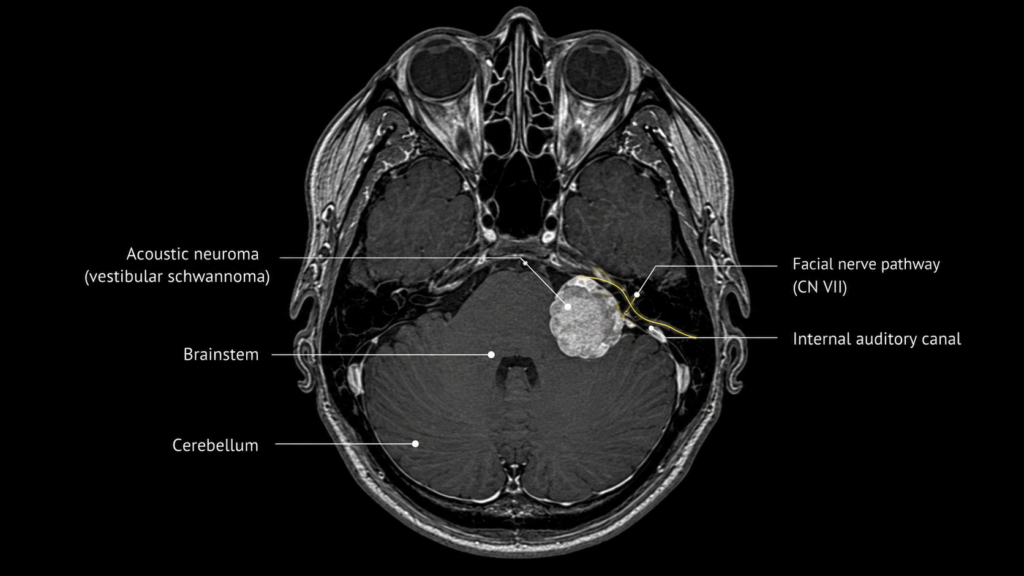
Acoustic neuromas are benign tumors located near the brainstem, making surgical removal delicate due to the facial nerve’s proximity. While patients undergoing acoustic neuroma surgery face a risk of post-operative facial weakness, advancements in intraoperative nerve monitoring have significantly improved outcomes by allowing real-time nerve activity detection.
The Mayo Clinic notes that acoustic neuroma removal carries varying degrees of risk depending on tumor size and the surgical approach used. Larger tumors that have grown into the facial nerve are the most challenging cases and typically require a highly experienced neurotologic or skull base surgical team.
Patients who have concerns about nerve risk before a planned procedure can schedule a consultation at the Facial Paralysis Institute to get expert guidance on their options and what to expect during recovery.
Acoustic Neuroma Facial Paralysis
3. Facelift Surgery
Facelift surgery poses a real risk of facial nerve injury, especially if performed aggressively or by surgeons unfamiliar with the anatomy. Since nerve branches lie just beneath deep tissue, lifting can cause damage. Using deep plane techniques increases this risk due to proximity to the nerves.
Research published on facelift procedures indicates that while permanent nerve damage from a facelift is relatively uncommon, temporary weakness affects a meaningful percentage of patients, and in rare cases, those effects can be lasting.
The connection between facelift surgery and facial paralysis is something patients don’t always think to ask their cosmetic surgeon about. But it’s worth raising the question before you book, especially if you’re considering a more advanced technique or revision surgery.
Expert Care When Nerve Function Is at Stake
Dr. Babak Azizzadeh is a globally recognized, Harvard-trained facial plastic surgeon specializing in facial nerve disorders and reanimation. He creates custom treatment plans for patients with nerve damage from trauma, Bell’s palsy, or surgery to restore natural function and expression. For expert evaluation, contact Dr. Azizzadeh at the Facial Paralysis Institute.
If you or someone you know is experiencing facial weakness or asymmetry after a surgical procedure, reach out to the Facial Paralysis Institute’s care team to discuss your symptoms and explore the path forward.

What to Do If You Experience Facial Paralysis After Surgery
Timing matters when it comes to nerve recovery. Early evaluation by a facial nerve specialist allows for a more accurate diagnosis and a faster start to treatment. Depending on the type and severity of the injury, options may include physical therapy, nerve grafting, muscle transfer, or other reanimation techniques.
Not every case of post-surgical facial weakness is permanent. Some patients recover fully without intervention, while others benefit significantly from targeted treatment. The key is getting the right assessment early rather than waiting to see what happens on its own.

Frequently Asked Questions
What surgery most commonly causes facial paralysis?
Parotidectomy poses the highest risk because the facial nerve runs through the gland. Acoustic neuroma removal and facelift procedures also carry risks.
Is facial paralysis after surgery always permanent?
No. Many cases involve temporary weakness that resolves over time; permanent damage is less common and depends on the injury extent and treatment speed.
How can I reduce my risk of facial nerve damage before surgery?
Choose a surgeon with extensive experience in facial nerve anatomy. Ask about their nerve preservation experience and if they use intraoperative nerve monitoring.
Can facial paralysis from surgery be treated?
Yes. Treatments include physical therapy, Botox, nerve grafts, muscle transfers, and reanimation surgery. Early specialist evaluation improves recovery chances.
When should I see a specialist after noticing facial weakness post-surgery?
As soon as possible. Early evaluation is critical for treatment responsiveness. Consult a specialist immediately if you notice facial asymmetry or movement issues.
Request your consultation with Dr. Azizzadeh today
Call us at (310) 657-2203 to schedule an appointment.
Schedule a Consultation