Dealing with double vision or a tilted head can be really frustrating. You might be experiencing symptoms of fourth nerve palsy, a condition affecting how your eyes work. While it can be concerning, there are ways to manage it, and sometimes, that includes surgery. Let’s break down what you need to know about fourth nerve palsy and the role 4th nerve palsy surgery can play in getting things back to normal.
Key Takeaways
- Trochlear nerve palsy, also known as fourth nerve palsy, occurs when the fourth cranial nerve, which controls an eye muscle, doesn’t work properly, causing double vision and head tilting.
- Congenital, head injuries, diabetes, or idiopathic causes can cause it.
- If the disease is predicted to improve, prism glasses or eye patches can assist manage symptoms.
- If alternative techniques don’t fix double vision or head tilt, 4th nerve palsy surgery can straighten the eyes for better binocular vision.
- To determine the cause and best treatment, see an eye doctor.
Understanding Fourth Nerve Palsy

Fourth nerve palsy, or trochlear nerve palsy, is a condition that affects the fourth cranial nerve, which is essential for eye movement, particularly controlling the superior oblique muscle responsible for pulling the eye downward and inward. When this nerve is impaired, it results in misaligned eyes and can cause double vision. Trochlear nerve palsy is characterized by dysfunction of this nerve, which has the longest pathway within the skull among cranial nerves, making it more vulnerable to damage. The fourth cranial nerve originates from the back of the brainstem, travels through the skull to the superior oblique muscle, and passes through a loop of tissue known as the trochlea, further indicating its susceptibility to injury and the subsequent impact on eye movement and alignment.
Congenital Versus Acquired Causes
Fourth nerve palsy can be present from birth (congenital) or develop later in life (acquired). Congenital cases are quite common, and sometimes the exact reason for the nerve’s underdevelopment or malfunction isn’t clear. Acquired causes are more varied and can include head trauma, vascular issues like diabetes, or even increased pressure within the skull.
- Congenital: Present from birth, cause often unknown.
- Acquired: Develops later due to trauma, vascular problems, etc.
Understanding whether your condition is congenital or acquired helps in predicting the potential for recovery and the best treatment approach. Sometimes, even if present from birth, symptoms might not become apparent until later in life due to stress or aging. This can make diagnosis a bit tricky, but a thorough evaluation by specialists like Dr. Azizzadeh can help clarify the situation.
Clinical Manifestations and Diagnosis
Clinical manifestations of fourth nerve palsy primarily include diplopia, or double vision, which significantly affects daily life. The diplopia is usually vertical, with one image appearing over another, and may involve a torsional aspect that makes images appear tilted. Affected individuals often tilt their heads away from the side of the affected eye to compensate for the misalignment. Additionally, some may not recognize the double vision and instead report blurred vision, difficulty focusing, or dizziness.
Diagnostic Evaluation and Imaging
To pinpoint the cause of your symptoms, a detailed examination is necessary. This usually starts with a comprehensive eye exam, including checking your vision, how your eyes move, and measuring any misalignment. A key part of the diagnostic process involves specific tests to assess eye muscle function.
Distinguishing Between Etiologies
Treating fourth nerve palsy requires determining its congenital or acquired nature. Congenital instances are more common and may not exhibit symptoms until later in life or be compensated. Head trauma, vascular disorders including diabetes, and rare neurological illnesses can induce acquired palsies. A thorough medical history, including recent injuries or health changes, and a physical exam assist distinguish these reasons. A quick onset of symptoms in an older person with vascular disease risk factors may indicate a microvascular etiology, which may resolve on its own. However, a history of head injuries definitely suggests trauma.
Non-Surgical Management Strategies
Before considering surgical intervention for fourth nerve palsy, several non-surgical approaches can be explored to manage symptoms and improve visual comfort. These methods aim to alleviate double vision and the compensatory head tilt that often accompanies this condition.
Therapeutic Applications of Prism Lenses
Prism lenses are essential for non-surgical treatment of fourth nerve palsy-related strabismus. These customized lenses bend light to align the damaged eye’s image with the healthy eye’s. Realignment can considerably reduce or eliminate diplopia. Detailed eye alignment and double vision measurements establish the amount and type of prism needed.
The Role of Eye Patching
Eye patching may help certain people, especially those with double vision or who cannot wear prism lenses. Covering one eye, usually the deviant one, blocks the double picture. This eliminates diplopia but also destroys binocular vision, which provides depth awareness. While additional therapies are being researched or implemented, patching is often used to avoid amblyopia (lazy eye) in youngsters. This is a useful approach to relieve visual disturbance immediately.
Observation for Idiopathic Cases
If the fourth nerve palsy is idiopathic, observation may be advised. These palsies may resolve on their own after weeks or months. The ophthalmologist will regularly monitor your condition for changes. If the symptoms are moderate and don’t affect daily life, watchful waiting is appropriate. Further diagnostics and therapy, including surgery, may be explored if the situation worsens. Regular checkups help track improvement. A research on superior oblique palsy indicated that while surgery is generally successful, knowing the reason is crucial to treatment.
Surgical Interventions for Fourth Nerve Palsy
Surgical intervention for fourth nerve palsy is considered when non-surgical methods are ineffective or in cases of severity. The main goal of surgery is to realign the eyes, improving vision and quality of life by addressing muscle imbalances caused by the fourth nerve issue. This not only enhances appearance but also aims to eliminate or reduce double vision and correct abnormal head postures, significantly benefiting daily activities.
Surgical Techniques for Eye Alignment
Surgeons have several approaches. A frequent method is weakening a hard-working muscle like the inferior oblique. Changing muscular attachment sites or strengthening a weak muscle is another option. Your situation determines the procedure. A superior oblique tuck may be recommended for severe tendon laxity. After fixing the vertical muscles, a horizontal eye turn may improve on its own. A tailored approach.
Addressing Diplopia and Head Tilt
Treatment for Diplopia and Head Tilt Surgical procedures directly address symptoms. Realigning the eyes allows the brain to combine the images from both eyes, eliminating double vision. Correct eye alignment eliminates the need for a compensatory head tilt, which can become uncomfortable with time. Restoration of binocular vision and comfort. The field of strabismus surgery can be explored further.
Potential Complications and Considerations
Even after successful surgical correction for fourth nerve palsy, it’s important to be aware of potential complications and long-term considerations. While the goal is to eliminate double vision and correct head tilt, the eyes are complex systems, and adjustments can sometimes lead to unforeseen issues.
Long-Term Ocular Function Changes
Even after a good operation, the eyes may not work together. This might cause slight variations in eye tracking or single vision, especially during rapid eye movements or when looking at things at varying distances. The palsy may not resolve or a new, less severe misalignment may emerge. The issue may return if the cause wasn’t adequately addressed or if age-related eye muscle changes occur.
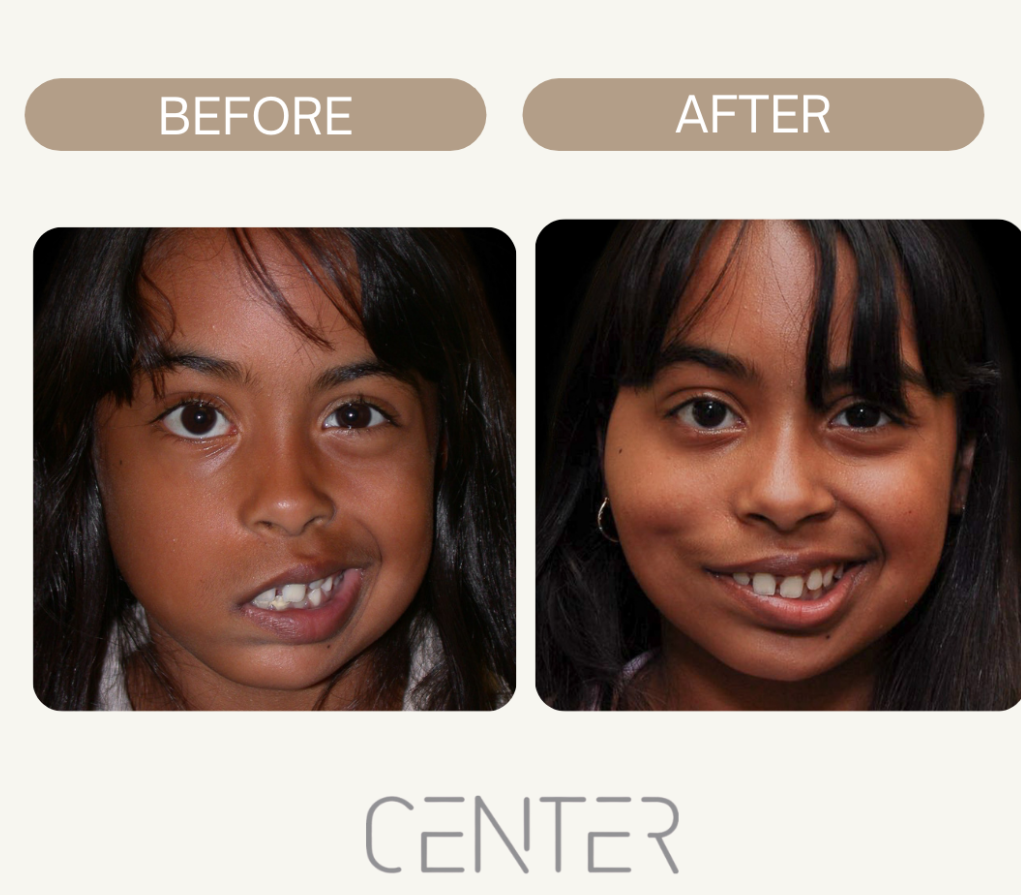
Facial Asymmetry in Pediatric Cases
If fourth nerve palsy has been present since birth or for a long time, children may develop facial asymmetry. Constant head tilt to adjust for double vision commonly causes this. The facial muscles on one side may grow less strongly than the other, resulting in an obvious facial difference. While eye alignment surgery can lessen or eliminate the head tilt, the asymmetry may persist and necessitate cosmetic considerations. Treating palsy early in childhood reduces this risk.
Risks Associated with Surgical Procedures
Any surgery has hazards. Fourth nerve palsy surgery might cause infection, hemorrhage, or anesthetic complications. Overcorrection or undercorrection in eye surgery can cause double vision or an unsatisfactory eye position. Scarring around the eye muscles may impede eye movement. Rarely, nearby structures may be damaged. Discussing these risks and how to mitigate them with your surgeon, like Dr. Azizzadeh, is crucial. Duration, severity, and inherited or acquired palsy can affect surgery outcomes. For instance, while many facial nerve injuries from cosmetic procedures tend to resolve, eye muscle surgery requires careful planning.
Here are some points to keep in mind regarding surgical risks:
- Anesthesia Risks: Standard risks associated with any general or local anesthesia.
- Infection: Though rare, infection is a possibility after any surgery.
- Bleeding: Minor bleeding is common, but significant hemorrhage is a rare complication.
- Over/Undercorrection: The eyes may not be perfectly aligned post-surgery, potentially requiring further intervention.
- Scar Tissue: Scarring can sometimes limit eye movement or cause discomfort.
Etiologies of Fourth Nerve Palsy
Understanding the causes of fourth nerve palsy is essential for treatment. Etiologies can vary, and sometimes the cause remains unidentified. Traumatic injuries often result in damage to the trochlear nerve, which is susceptible due to its long pathway within the skull. Symptoms typically appear immediately after trauma, and although CT scans may not reveal issues, MRIs can detect brainstem bruising or bleeding.
Vascular Conditions and Diabetes
Another significant group of causes relates to blood flow issues. Conditions like diabetes can affect the small blood vessels that supply the nerve. When these vessels aren’t working right, the nerve doesn’t get the oxygen and nutrients it needs, leading to palsy. This is more common in adults. Poor blood flow can damage the nerve, and sometimes, this damage might not go away on its own.
Less Common Neurological Factors
Beyond trauma and vascular issues, there are other, less frequent reasons for fourth nerve palsy. These can include things like:
- Increased pressure inside the skull, which can press on the nerve.
- Certain infections or inflammatory conditions.
- Less commonly, pressure from a growth like an aneurysm or tumor near the nerve.
It’s also worth noting that sometimes, especially in children, the cause isn’t obvious. This is called idiopathic fourth nerve palsy. In many of these idiopathic cases, particularly in adults, the condition might resolve on its own over time without specific treatment. Dr. Azizzadeh emphasizes that a thorough medical history and examination are vital to rule out these less common but potentially serious causes.
Wrapping Things Up
There are various reasons why the fourth cranial nerve may malfunction, including congenital issues, injuries, diabetes, and hypertension. Identifying these underlying causes is crucial for determining appropriate treatments. For those concerned about fourth nerve palsy, further information is available on our website, which details possible causes and available assistance. In summary, while some cases of fourth nerve palsy resolve spontaneously, persistent or troublesome cases may require surgical intervention to correct misalignment and eliminate double vision. It is essential to discuss these options with a healthcare provider to find the most suitable treatment plan, empowering patients to take control of their health.
Frequently Asked Questions
What exactly is Fourth Nerve Palsy?
Fourth Nerve Palsy is a condition where one of the nerves that controls eye movement, specifically the fourth cranial nerve (also called the trochlear nerve), isn’t working right. This nerve helps a specific eye muscle, the superior oblique muscle, move your eye inward and downward. When this nerve is weak or damaged, your eye might not move correctly, leading to issues like seeing double.
What are the main signs that someone might have Fourth Nerve Palsy?
The most common sign is seeing double, especially when you look down or read. This double vision usually goes away if you close one eye. You might also notice that you tilt your head to one side to try and see better. Sometimes, one eye might appear to look slightly higher than the other. It can be tricky because the symptoms might not be obvious at first, and they can change over time.
What usually causes Fourth Nerve Palsy?
It can happen for a few reasons. Sometimes, people are born with it, which is called congenital fourth nerve palsy. Other times, it can be caused by an injury to the head, like from a car accident or even a concussion. Less often, other health issues like diabetes, infections, or pressure on the nerve from something else can be the cause. Sometimes, doctors can’t figure out why it happened, and they call that idiopathic.
How do doctors figure out if someone has Fourth Nerve Palsy?
Doctors will usually ask about your symptoms and do a thorough eye exam to see how your eyes move. They might use special tests, like looking at how your eyes work together or checking for double vision in different directions. Sometimes, they might order imaging tests like an MRI or CT scan to get a better look at the nerves and brain, or blood tests to check for other health problems.
What are the treatment options for Fourth Nerve Palsy?
Treatment really depends on what’s causing the palsy and how bad it is. For mild cases, especially if they seem to be getting better on their own, doctors might just watch it. Sometimes, special glasses with prisms can help realign the images so you don’t see double. If the double vision is bothersome or doesn’t go away, surgery might be an option to help realign the eye muscles and get rid of the double vision.
What can happen if Fourth Nerve Palsy isn’t treated?
If the double vision doesn’t go away, it can affect your daily life, making it hard to read, drive, or do other activities. In children, if they constantly tilt their head, it can sometimes lead to uneven development of the face over time. While surgery is often successful at fixing the double vision, there are always some risks involved with any operation, and sometimes the eyes might not work perfectly together afterward.
Request your consultation with Dr. Azizzadeh today
Call us at (310) 657-2203 to schedule an appointment.
Schedule a Consultation