The face communicates before words ever do. A smile, a raised brow, the instinctive closing of an eye, these movements are governed by the facial nerve, one of the most intricate and emotionally significant structures in the human body. When trauma disrupts this nerve, the consequences reach far beyond the physical. Patients describe avoiding mirrors, declining invitations, and learning to position themselves in photographs so the stillness on one side goes unnoticed. Understanding what happens when the facial nerve is injured, and what modern medicine can do about it, is the first step toward reclaiming that identity. At the Facial Paralysis Institute, patients facing this journey are met with both clinical precision and genuine human understanding.
Key Takeaways
- Traumatic facial nerve damage can result from accidents, skull fractures, surgical complications, or penetrating injuries.
- The facial nerve governs movement, expression, eye closure, and certain sensory functions across each side of the face.
- Early diagnosis and intervention significantly improve the likelihood of functional and aesthetic recovery.
- Advanced surgical options, including nerve grafting and reanimation, offer life-changing outcomes for patients with severe damage.
- Emotional recovery matters as much as physical recovery, and a comprehensive care team addresses both.
What Happens When the Facial Nerve Is Injured
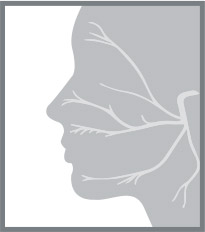
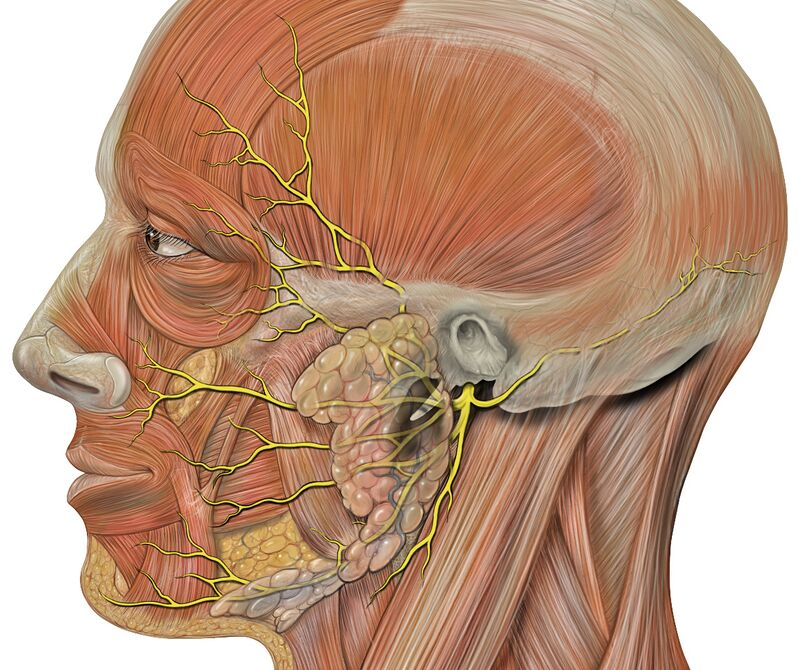
The facial nerve, known as cranial nerve VII, exits the brainstem and travels through a narrow bony canal before branching into five divisions that animate the face. Each branch governs a specific region: the forehead, eye, cheek, lip, and chin. When trauma disrupts this nerve, signals from the brain can no longer reach the muscles they control.
The result is facial paralysis or paresis, ranging from subtle weakness to complete immobility. According to research published via the National Institutes of Health, traumatic facial nerve injuries account for a significant portion of all facial nerve palsies and carry distinct challenges in both diagnosis and management.
The emotional weight compounds quickly. Patients stop initiating conversations. They rehearse expressions in private that no longer appear in public. Treating this injury means treating that person, fully, not partially.
Common Causes of Traumatic Facial Nerve Damage
Traumatic facial nerve injuries arise from circumstances that are often sudden and unexpected. The most common causes include motor vehicle accidents resulting in temporal bone fractures, blunt force trauma from sports injuries or falls, penetrating injuries such as lacerations or gunshot wounds, surgical complications involving the parotid gland or skull base, and basilar skull fractures that directly compromise the nerve’s bony canal.
Understanding the mechanism of injury helps specialists determine the precise location and severity of damage, which directly shapes the treatment plan.

Symptoms Patients Should Never Ignore
Symptoms vary depending on where along the nerve’s path the damage occurs. Patients should seek evaluation promptly if they notice a sudden inability to move one side of the face, visible asymmetry around the mouth, eye, or brow, inability to fully close the eye, loss of the smile on one side, altered taste on the front of the tongue, or sound sensitivity on the affected side.
Incomplete eye closure demands particular urgency. A cornea left unprotected risks dryness, infection, and permanent vision loss. These are neurological warning signs that deserve prompt specialist attention, not a wait-and-see approach.
A consultation with the Facial Paralysis Institute can help clarify the most effective path forward for those experiencing any of these signs following a traumatic injury.
Treatment Options for Facial Nerve Damage
The treatment of traumatic facial nerve damage is a carefully staged progression that evolves alongside the patient.
In the immediate aftermath of injury, management focuses on protecting vulnerable structures, reducing inflammation, and supporting the body’s natural healing. Corticosteroids may be used to limit nerve swelling, while physical therapy begins early to preserve muscle tone and encourage regeneration. Emerging peer-reviewed research continues to refine optimal protocols for this critical early window.
When the nerve does not recover independently, surgery becomes the path forward. Options include facial nerve decompression, direct repair, and nerve grafting using donor tissue from elsewhere in the body. For patients with long-standing paralysis, reanimation procedures including cross-facial nerve grafting and free muscle transfer can restore spontaneous, natural-looking movement.
Dr. Babak Azizzadeh, a globally recognized authority in facial nerve surgery and founder of the Institute, has dedicated his career to advancing these techniques. His approach bridges surgical precision with an understanding of what patients are truly after: not just a face that moves, but one that feels like theirs again.
Before and After Transformation
[Insert before and after facial nerve gallery image from Facial Plastics BH here]
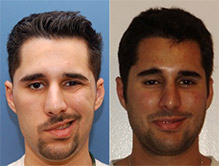
Among the cases documented in the Facial Plastics BH gallery, one story stands out for its clarity of transformation. Joe Mare arrived at the practice after traumatic facial nerve damage had taken movement from one side of his face entirely. He had grown accustomed to turning slightly away in group settings, to smiling with effort rather than instinct, to a version of himself he no longer recognized. Through a personalized sequence of surgical and rehabilitative procedures, what returned was not only symmetry but spontaneity, the kind of expression that cannot be rehearsed. The moment Joe smiled without thinking about it was, by his own account, the moment he felt himself again. His outcome speaks to what becomes possible when the right expertise meets the right commitment to care.

Why Early Treatment Matters
The window during which the nerve and its target muscles are most receptive to intervention is finite. Repair completed within days or weeks of a complete nerve transection yields far stronger results than repair deferred by months. Muscle tissue denied nerve input for extended periods undergoes changes that place a ceiling on what surgery can eventually achieve.
Late-presenting patients still have options. Advanced reanimation has broadened what is possible even years after injury. But time shapes outcomes in ways that cannot be undone, and understanding that reality is often what moves patients toward action.
Conclusion
Traumatic facial nerve damage reorders a person’s relationship with their own face, and with the world around them. The science and artistry of facial nerve surgery have advanced to a point where that relationship can be restored, often to a degree patients once considered out of reach.
The Facial Paralysis Institute was built for patients at exactly this crossroads. Whether the injury is recent or long-standing, the path forward begins with a single, honest conversation.
When you are ready to explore what is possible, Dr. Babak Azizzadeh’s team is here. Schedule a consultation and take the first step toward reclaiming your expression, your confidence, and your story.
Frequently Asked Questions
Can facial nerve damage from trauma heal on its own? In mild to moderate cases, yes. Many patients with temporary nerve compression recover meaningful function without surgery. Severe injuries involving transection or prolonged compression typically require surgical intervention. Specialist evaluation is essential.
How soon after injury should I seek treatment? As early as possible. Prompt evaluation allows specialists to assess the degree of damage, protect vulnerable structures like the eye, and establish an optimal treatment timeline. Earlier care is consistently associated with better outcomes.
What surgical options exist for traumatic facial nerve damage? Options include nerve decompression, direct repair, nerve grafting, cross-facial nerve grafting, and free muscle transfer. The right approach depends on injury severity, location, time elapsed, and individual patient goals.
How long does recovery take after facial nerve surgery? Recovery unfolds over months to years. Most patients see early signs of returning movement within three to six months of nerve repair, with continued progress over one to two years. Physical therapy remains essential throughout.
What if my paralysis has been present for years? Long-standing paralysis is challenging but not a closed door. Advanced reanimation techniques can restore movement even after years of paralysis. A specialist consultation will clarify what is realistically achievable in your specific case.
What sets the Facial Paralysis Institute apart? The practice is dedicated exclusively to facial nerve conditions. Under Dr. Babak Azizzadeh’s leadership, the Institute pairs the most advanced surgical techniques with individualized, compassionate care, making it one of the world’s foremost destinations for patients seeking facial nerve expertise.
Request your consultation with Dr. Azizzadeh today
Call us at (310) 657-2203 to schedule an appointment.
Schedule a Consultation