For individuals living with long-term facial paralysis, finding a reliable solution to restore movement can feel like a distant hope. A gracilis muscle transfer offers one of the most effective approaches available today for facial paralysis treatment. This microsurgical procedure transplants a small portion of muscle from the inner thigh to the face, complete with its nerve and blood supply. The goal is to restore dynamic movement, allowing patients to smile and express emotion naturally again.
Key Takeaways
- Gracilis muscle transfer restores facial movement in patients with long-term paralysis.
- Patients with paralysis lasting two years or longer are typically the best candidates.
- The transplanted muscle, nerve, and blood vessels are connected to facial structures to enable smiling.
- Recovery unfolds gradually, with muscle movement appearing around three to six months post-surgery.
- Selecting a highly experienced facial nerve surgeon significantly impacts outcomes.
Understanding the Gracilis Muscle Transfer Procedure
When facial paralysis persists beyond 18 to 24 months, native facial muscles often lose their ability to receive nerve signals. Treatments focused on nerve repair alone may no longer work. Gracilis Muscle Transfer Surgery addresses this by introducing a functioning muscle that can be powered by a new nerve source.
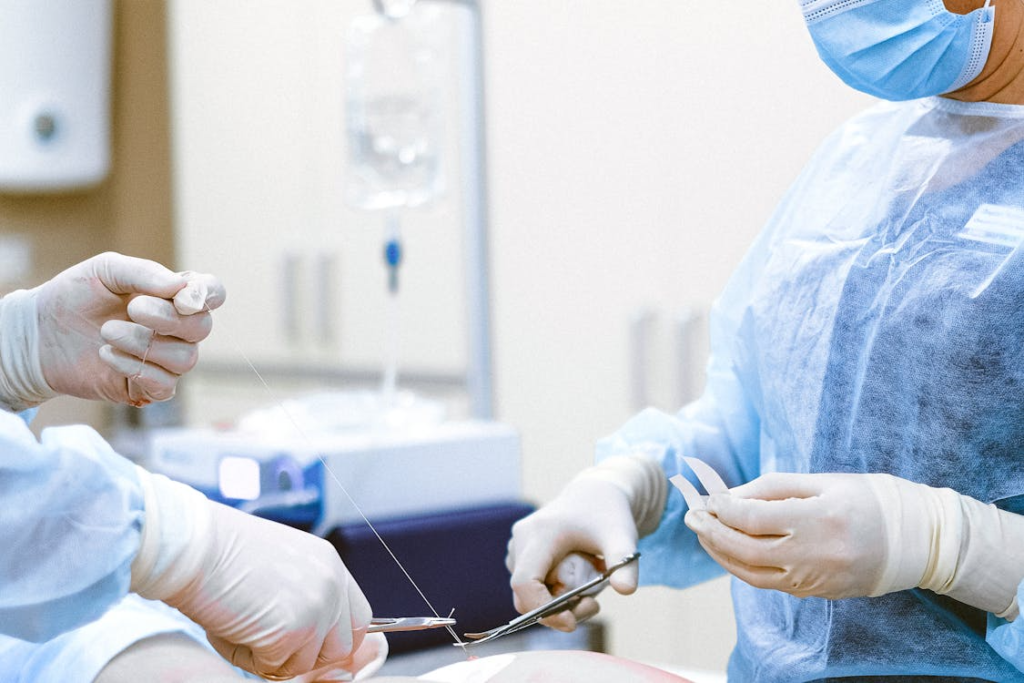
The gracilis muscle sits along the inner thigh and is uniquely suited for this purpose. It can be harvested with its artery, vein, and nerve intact. During surgery, a facelift-style incision is made near the ear, and the muscle is placed into the cheek. Blood vessels connect to facial vessels for circulation, while the nerve attaches to a donor nerve, often the masseteric. This allows the muscle to contract when the patient bites down, a movement that becomes more natural through rehabilitation.
https://facialparalysisinstitute.com/blog/temporalis-transfer
Who Qualifies for This Procedure?
Not every patient with facial paralysis will be an ideal candidate for a free gracilis muscle transfer. Several factors determine whether this surgery is right for you.
1. Duration of Paralysis
Patients whose paralysis has lasted more than two years are typically the most appropriate candidates. By this point, native facial muscles have often atrophied beyond recovery.
2. Overall Health Status
Candidates should be in good health with no uncontrolled medical conditions that could increase surgical risk.
3. Availability of Donor Nerve
The procedure requires a functioning donor nerve, usually the masseteric. If the trigeminal nerve has been damaged, alternative approaches may be considered.
4. Realistic Expectations
Results develop gradually over months. Patients who understand this timeline and commit to rehabilitation tend to achieve the best outcomes.
Dr. Babak Azizzadeh, a Beverly Hills facial plastic and reconstructive surgeon, is recognized globally for his expertise in facial reanimation surgery. As one of the highest-volume facial nerve surgeons worldwide, he has helped countless patients restore natural facial movement through gracilis transfer and related procedures. His approach combines surgical precision with individualized care tailored to each patient’s anatomy and goals.
Potential Benefits of Gracilis Muscle Transfer
For the right candidate, this procedure offers meaningful advantages beyond physical restoration.
- Dynamic Facial Movement: Unlike static procedures that only improve resting symmetry, gracilis transfer enables active movement such as smiling.
- Natural-Looking Results: The transplanted muscle integrates with facial structures to produce movement that appears organic.
- Long-Term Durability: Results can last for decades.
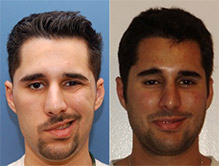
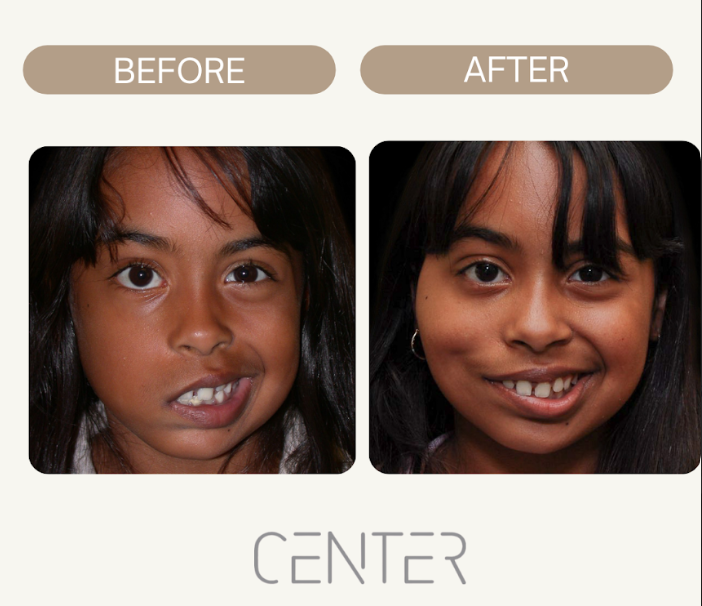
- Improved Quality of Life: Before-and-after images from the Facial Paralysis Institute illustrate the transformative potential, showing patients who have regained symmetrical, expressive smiles.
https://facialparalysisinstitute.com/treatments/nerve-transplant
Risks and Considerations
As with any surgical procedure, gracilis muscle transfer carries potential risks.
- Bleeding and Infection: Standard surgical risks apply, though complications are rare with an experienced surgeon.
- Donor Site Discomfort: The inner thigh may feel sore for several weeks. Most patients walk within 24 to 48 hours.
- Delayed Results: Visible movement typically begins three to six months post-surgery, with continued improvement over the following year.
- Need for Rehabilitation: Learning to use the transplanted muscle requires dedicated practice and physical therapy.
Patients should also explore Facial Paralysis Conditions to understand the underlying causes of their paralysis.
What Recovery Looks Like
Most gracilis transfer procedures are performed on an outpatient basis. The initial recovery period lasts approximately five to twelve days.
- Days 1 to 7: Facial swelling peaks around days three and four. Most patients resume walking within a day or two.
- Weeks 2 to 6: Swelling decreases significantly. Patients with desk jobs may return to work within two to three weeks.
- Months 3 to 6: Initial muscle movement begins to appear.
- 6 Months and Beyond: Functional improvement becomes evident, with continued refinement possible for up to two years.
Patients should work closely with their surgical team to establish realistic recovery milestones and follow through with all recommended follow-up appointments.
Is Gracilis Muscle Transfer Right for You?
Deciding whether to pursue this procedure requires careful consideration of your individual circumstances. A thorough consultation with a facial nerve specialist can help clarify whether gracilis transfer aligns with your goals or whether alternative Facial Reanimation Surgery Options may be better suited to your needs.
If you have been living with facial paralysis for two years or more and are ready to explore your options, schedule a consultation with a specialist who can evaluate your condition and recommend a personalized treatment plan.
Frequently Asked Questions
How long does gracilis muscle transfer surgery take?
The procedure typically takes several hours, depending on complexity. Patients can usually return home the same day.
When will I see results after surgery?
Initial muscle movement generally appears three to six months after surgery, with continued improvement over 12 to 24 months.
Will there be visible scarring?
The facial incision is placed in front of the ear, similar to a facelift incision, allowing it to heal discreetly. The thigh incision fades over time.
What happens if the procedure does not work?
While outcomes vary, gracilis transfer has a high success rate with an experienced surgeon. In rare cases, additional procedures may be considered.
Conclusion
Gracilis muscle transfer represents one of the most advanced solutions for restoring facial movement in patients with long-term paralysis. While the procedure requires commitment and patience, the potential to regain a natural smile makes it transformative for the right candidates. By working with an experienced facial nerve surgeon, patients can take a meaningful step toward reclaiming their facial expression and confidence.
Request your consultation with Dr. Azizzadeh today
Call us at (310) 657-2203 to schedule an appointment.
Schedule a Consultation