For 25 years, Mary Jo Buttafuoco lived with partial facial paralysis after being shot in the face in 1992 by Amy Fisher. In 2017, Beverly Hills surgeon Dr. Babak Azizzadeh performed a life-changing facial reanimation procedure. This story explores how advanced surgery restored her symmetrical smile and quality of life after decades of belief that it was impossible.
Key Takeaways
- Mary Jo Buttafuoco experienced facial paralysis for over 25 years following a 1992 gunshot wound.
- Dr. Babak Azizzadeh performed a selective neurectomy to rewire the nerves responsible for her lopsided smile.
- Facial reanimation surgery can restore function even in long-standing cases of facial nerve damage.
- Mary Jo’s recovery, documented by Inside Edition, showed visible symmetry and smile restoration within two months.
- The Facial Paralysis Institute specializes in advanced surgical and non-surgical options for facial nerve disorders.
Quick Facts
| Patient | Mary Jo Buttafuoco |
| Condition | Facial Paralysis from Gunshot Wound |
| Treatment | Selective Neurectomy and Facial Rejuvenation |
| Surgeon | Dr. Babak Azizzadeh |
| Location | Facial Paralysis Institute, Beverly Hills, CA |
| Outcome | Restored smile, improved facial symmetry, renewed confidence |
Who Is Mary Jo Buttafuoco?
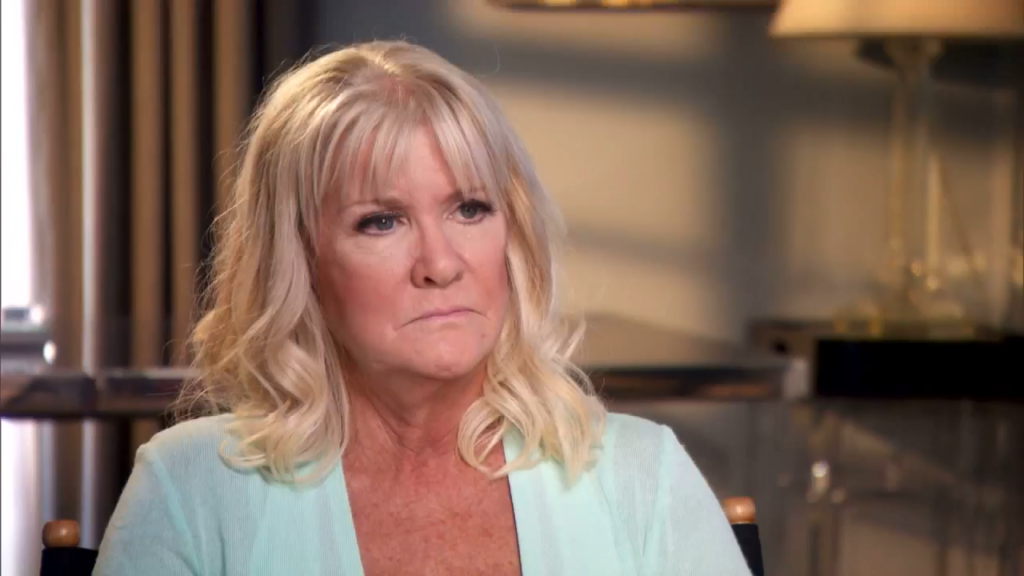
Mary Jo Buttafuoco gained national attention in 1992 after being shot in the head by Amy Fisher, a teenager involved with Mary Jo’s husband, Joey. The injury severely damaged her facial nerve, causing partial paralysis and a lopsided smile for decades.
While Joey was imprisoned for statutory rape and the couple later divorced in 2003, Mary Jo continued to raise her children in the public eye. Her journey eventually led her to seek surgical treatment to address the visible and functional effects of the shooting.
Through it all, Mary Jo remained in the public eye, and her story, as told through Mary Jo Buttafuoco’s story, later became inseparable from her decision to seek treatment for the facial paralysis that followed her everywhere.
What Caused Her Facial Paralysis?
Mary Jo’s 1992 gunshot wound caused lasting facial nerve damage and partial paralysis, hindering her ability to smile or close her eye. Chronic cases often lead to synkinesis, where misfiring nerves cause involuntary movements.
This condition makes symmetrical movement difficult and creates significant physical and emotional strain. Understanding the nerve regeneration process is critical when evaluating what kind of surgical intervention a patient may benefit from.
The Challenges of Living With Facial Paralysis
Beyond aesthetics, facial paralysis hinders social connection. For Mary Jo, two decades of asymmetry undermined her confidence and served as a persistent reminder of her trauma.
Functionally, the condition creates significant daily obstacles. As muscle control fails, routine activities like eating, speaking, and eye protection become difficult. Managing persistent eye dryness and involuntary muscle misfiring often leads to physical exhaustion. For many, restoring function represents a vital reclamation of their personal life.
Seeking Facial Nerve Surgery Treatment
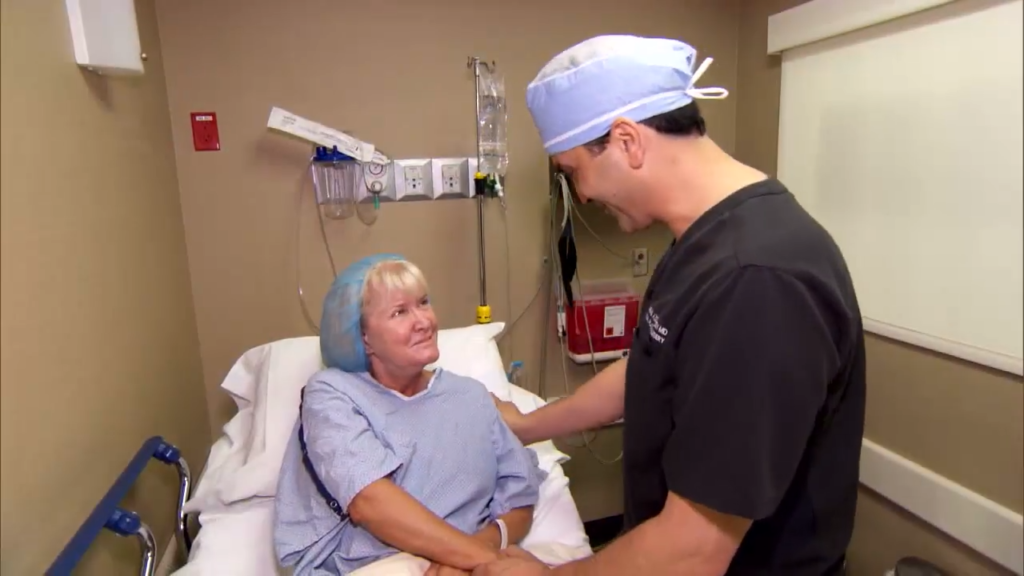
Twenty-five years after her injury, Mary Jo consulted world-renowned facial reanimation specialist Dr. Babak Azizzadeh at the Facial Paralysis Institute. To address her long-term facial nerve damage, Dr. Azizzadeh utilized specialized nerve stimulation to map and isolate misfiring nerves, creating a tailored surgical plan that accounted for decades of altered muscle behavior.
If you or someone you love is living with lasting facial nerve damage, scheduling a consultation at the Facial Paralysis Institute is the first step toward understanding your options for facial reanimation and nerve repair.
Facial Reanimation Procedure Overview
Dr. Azizzadeh performed a selective neurectomy for Mary Jo. By reducing nerves that pulled her mouth downward and releasing the platysma muscle, he eliminated downward drag. This allowed her functional nerves to successfully create an upward smile. This technique enables spontaneous facial reanimation, allowing the smile to return as a natural, unconscious movement rather than a forced one.
While other interventions like a gracilis muscle transplant or a static sling procedure may be appropriate in other cases, the neurectomy was the right fit given Mary Jo’s existing nerve activity and the specific pattern of misfiring in her face.
In addition to the nerve rewiring, Dr. Azizzadeh performed facial rejuvenation to address the fact that the two sides of Mary Jo’s face had been aging differently due to the asymmetric muscle activity over the years.
For patients who have been living with facial paralysis for an extended period, combining facial reanimation surgery with complementary rejuvenation procedures is a way to address both function and appearance in one surgery.
Gracilis Muscle Flap Transplant For Facial Paralysis
Mary Jo Buttafuoco’s Results
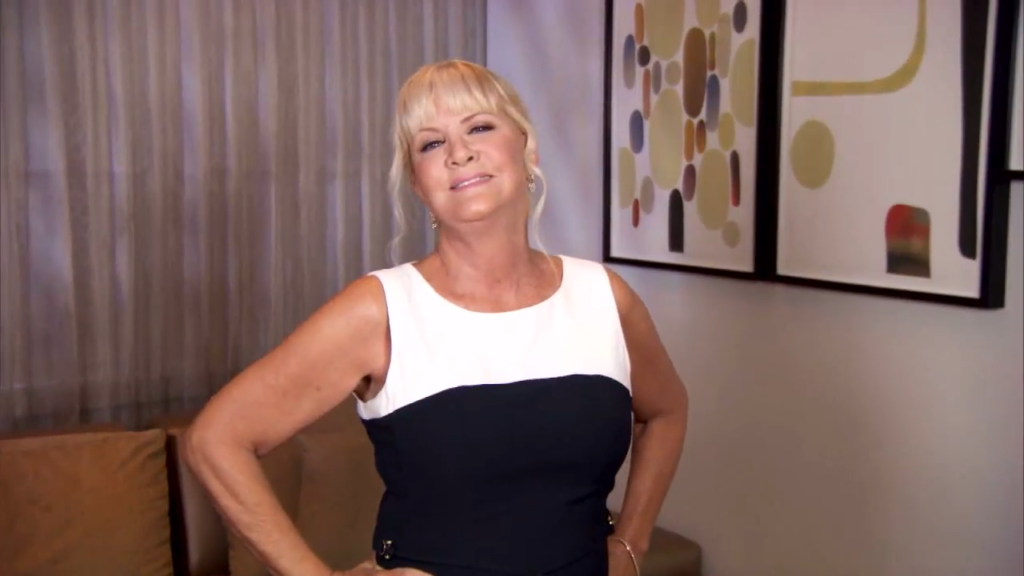
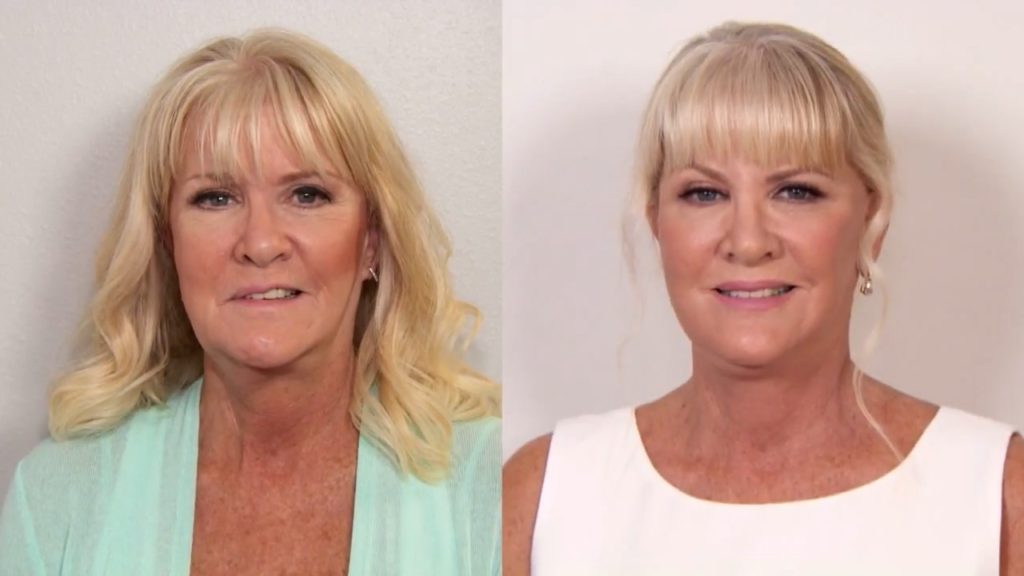
Two months post-surgery, an Inside Edition follow-up revealed Mary Jo’s remarkable progress: for the first time in 25 years, she could smile symmetrically. Beyond the physical correction of her asymmetry, the surgery provided a profound emotional shift, allowing Mary Jo to reclaim her smile and move past the 1992 shooting that had long defined her appearance.
Recovery after this type of surgery also involves working with therapists who help retrain facial muscles, and the role of physical therapy following reanimation is well established in helping patients build on surgical gains as nerve function and muscle behavior continue to develop over time.
Watch Mary Jo Share Her Experience
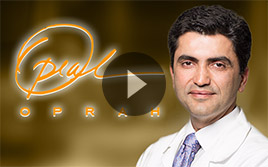
The Inside Edition segment documenting Mary Jo Buttafuoco’s journey offers a powerful look at her experience with facial paralysis, covering everything from the initial injury to the life-changing surgical outcome.
In the interview, Mary Jo candidly discusses the long-term emotional and daily impact of her inability to smile, while Dr. Azizzadeh and her daughter Jessie provide moving commentary on the profound relief of seeing her smile naturally again.
Media Coverage and Public Recognition
Documented by Inside Edition and Yahoo Lifestyle, Mary Jo’s surgery highlighted the potential for facial reanimation even decades after injury. This coverage informed many who believed their paralysis was permanent that meaningful improvement is possible with expert care.
You don’t have to accept facial paralysis as permanent. Reach out to the Facial Paralysis Institute today to speak with a specialist about your unique case and learn which surgical or non-surgical approaches may work for you.
Frequently Asked Questions About Facial Reanimation
Can facial paralysis be treated years or even decades after the original injury?
Yes, often. Although early treatment is ideal, surgery can still help long-standing paralysis cases. Options depend on nerve health, current activity, and the patient’s goals.
What is facial reanimation surgery?
Facial reanimation surgery encompasses various procedures, such as nerve transfers, muscle transplants, and selective neurectomies, tailored to restore natural facial movement and voluntary smiling.
How long does recovery take after facial nerve surgery?
Recovery varies by patient and procedure. Mary Jo saw improvement within two months, but full results from nerve repair often take six months to over a year as pathways and muscle memory strengthen.
Am I a candidate for facial nerve surgery?
Eligibility for facial nerve surgery is based on your diagnosis, the cause and duration of your paralysis, and remaining nerve function. A formal evaluation with a specialist is necessary to assess your specific case.
Can facial movement return after long-term paralysis?
It can, yes. Mary Jo’s case is a clear example. While outcomes vary by patient and by the nature of the original injury, surgical options have advanced significantly and can offer meaningful results even in cases that have been untreated for many years.
Why Patient Stories Matter
Treatment for facial paralysis is highly personalized, and patient accounts offer valuable insight into recovery. Mary Jo’s story demonstrates that expert surgical intervention can provide life-changing results even 25 years after the initial injury.
Discover Your Treatment Options
Advanced reanimation techniques can restore movement and improve quality of life for those previously told their condition was permanent. The Facial Paralysis Institute offers specialized evaluations to determine the best surgical path forward.
Explore Your Facial Paralysis Treatment Options
If you are experiencing facial paralysis or have been told that treatment is no longer possible, advanced facial reanimation techniques may still offer meaningful options for restoring facial movement and improving quality of life. The Facial Paralysis Institute has the surgical expertise and the patient-centered approach to evaluate your specific situation and recommend a path forward.
Schedule a consultation with Dr. Babak Azizzadeh and the Facial Paralysis Institute to discuss your treatment options and take the first step toward restoring your smile.
Watch Related Videos:


Request your consultation with Dr. Azizzadeh today
Call us at (310) 657-2203 to schedule an appointment.
Schedule a Consultation