Masseteric Nerve Transfer for Facial Paralysis
Facial paralysis can significantly impact facial symmetry, expression, and quality of life. Conditions such as Bell’s palsy, acoustic neuroma, trauma, parotid tumors, and Moebius syndrome may disrupt the facial nerve and impair the ability to smile or move the face naturally.
At The Facial Paralysis Institute in Beverly Hills, Babak Azizzadeh, MD, FACS—an internationally recognized facial paralysis surgeon—offers advanced facial reanimation procedures, including masseteric nerve transfer, to help patients regain dynamic facial movement and a more natural smile.
Patients from around the world seek treatment at The Facial Paralysis Institute for Dr. Azizzadeh’s expertise and pioneering approach to nerve transfer surgery, which emphasizes both function and facial harmony.
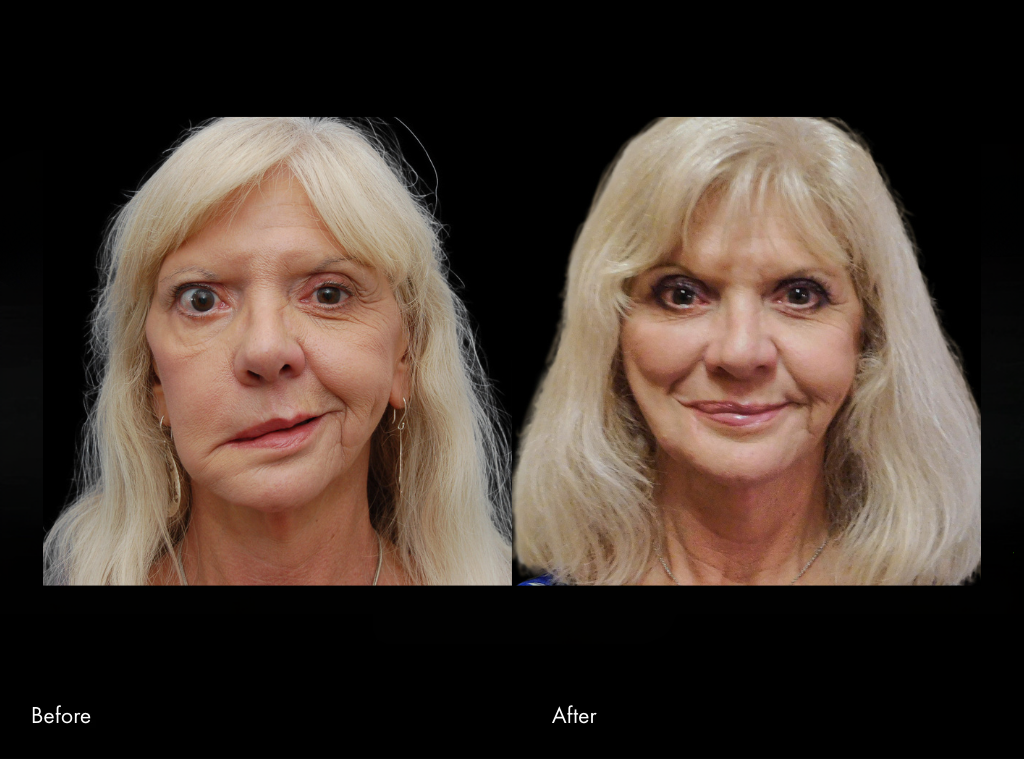
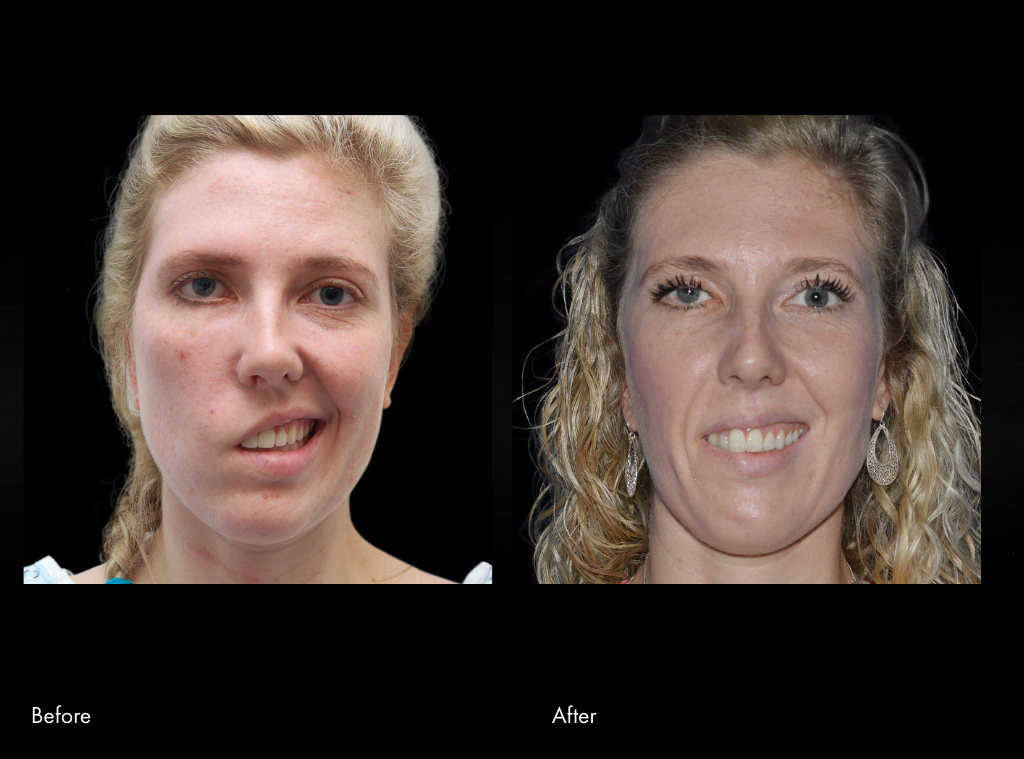
Facial paralysis patients travel from across the world to have the masseter to facial nerve transfer procedure performed at the Facial Paralysis Institute in Beverly Hills. With Dr. Azizzadeh, patients are in the hands of one of the pioneers of surgical modification that leaves them with more dynamic smile and a more improved smile.
Understanding The Masseter to Facial Nerve Transfer
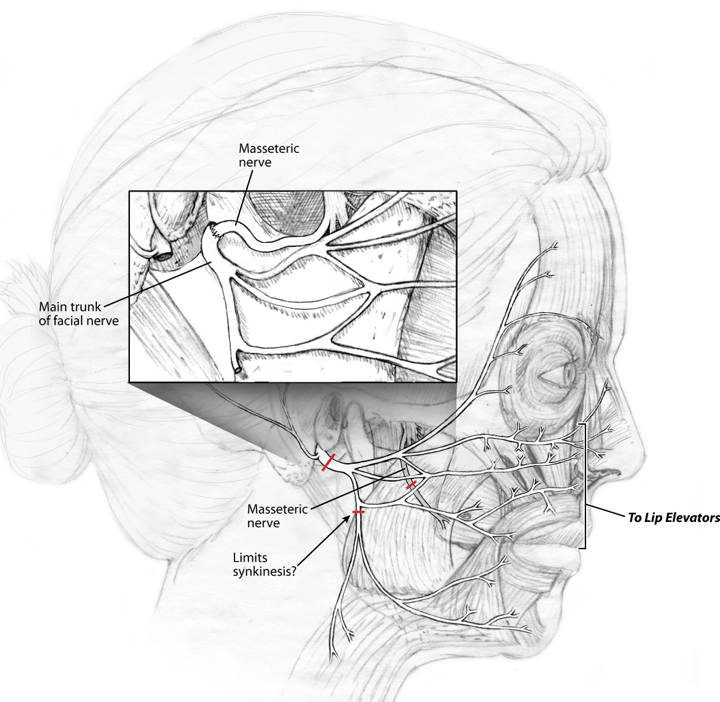
The masseteric nerve transfer (or trigeminal nerve transfer) has the ability to greatly improve facial reanimation for sufferers of permanent Bell’s palsy or complete facial paralysis. At the Facial Paralysis Institute, this procedure has had tremendous success in helping patients who have been experiencing paralysis for less than three years, though it is not limited to that specific longevity and greatly depends on the etiology and muscle activity.
What Are the Benefits of a Masseter to Facial Nerve Transfer?
A masseteric nerve transfer promotes facial reanimation. It can help improve the smile function in patients previously diagnosed with facial palsy. Moreover, a masseteric nerve transfer offers several key advantages for eligible patients, including:
- Restoration of active smile movement
- Improved facial symmetry at rest and during expression
- Strong and predictable muscle activation
- Faster reinnervation compared to some other nerve transfer techniques
- Preservation of speech and swallowing function
Over time, many patients experience cerebral adaptation, allowing the brain to produce a smile with less conscious effort.
What to Expect During a Masseter to Facial Nerve Transfer Procedure
A masseteric-facial nerve transfer procedure typically lasts four hours or longer and is performed under general anesthesia.
During surgery, Dr. Azizzadeh makes a carefully concealed incision near the front of the ear. Using microscopic magnification, the masseteric nerve and facial nerve branches are precisely identified and connected. Once joined, the masseteric nerve supplies neural input to the paralyzed facial muscles, initiating the reanimation process.
Prior to surgery, Dr. Azizzadeh conducts a comprehensive consultation to explain the procedure, review expected outcomes, and establish realistic goals. Each treatment plan is customized based on the patient’s anatomy and degree of facial paralysis. Additionally, Dr. Azizzadeh prepares a masseter nerve transfer patient for the recovery cycle.
What to Expect Following a Masseteric Nerve Transfer
Patients typically need to avoid applying pressure to the affected cheek in the days and weeks after a masseter to facial nerve transfer. Also, masseter nerve transfer patients should avoid heavy lifting and strenuous brushing of the teeth for the first few weeks after surgery.
A patient may need to maintain a soft diet for the initial two weeks after a masseter nerve transfer. He or she may be asked to perform various facial exercises, too.
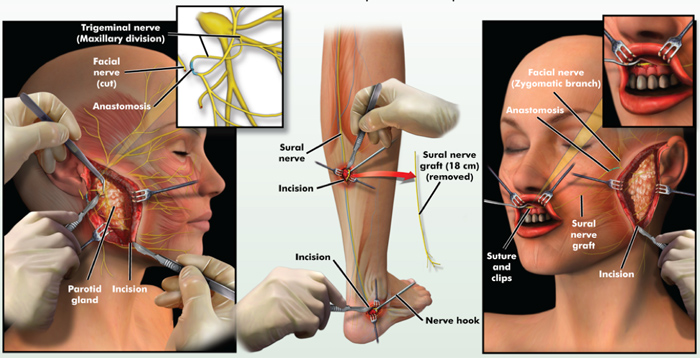
Watch Masseteric-Facial Nerve Transfer Videos


Recovery After Masseteric Nerve Transfer
Masseteric-facial nerve transfer surgery (or trigeminal facial nerve transfer), is generally performed in an out-patient surgery center and the patient is able to go home the same day.
Swelling and bruising may occur immediately after a masseteric-facial never transfer, but these symptoms typically disappear within about one week of treatment.
Patients can eat a regular diet beginning the day after a masseteric-facial nerve transfer, with a 7-10 day recovery period. During the postoperative period, patients are asked to avoid:
- Pressure to the affected cheek
- Exercise
- Heavy lifting
- Vigorous brushing of the teeth
Motion resembling the unaffected side, meanwhile, often develops between the sixth and seventh post-operative months of masseteric nerve transfer. Older individuals may require longer periods of time to achieve the desired function, but the end result is usually comparable to younger individuals.
The results of a masseter nerve transfer can be seen over the course of several months following the procedure. Yet, the recovery process for a masseter nerve transfer varies based on the patient and severity of their facial paralysis symptoms. Fortunately, Dr. Azizzadeh works closely with a masseter nerve transfer patient throughout the recovery process.
Dr. Azizzadeh stays in touch with a patient and tracks their masseteric nerve transfer treatment results. He requests follow-up appointments to ensure a patient’s recovery remains on course. Plus, Dr. Azizzadeh can respond to a patient’s concerns or questions at any point during the masseter nerve transfer recovery period.
The strength and control over the reconstructed smile will continue to improve over several years. While biting down will initially be required to produce a smile, the brain has the potential to undergo a re-education process (cerebral adaption), resulting in the production of a naturally occurring and effortless smile over time. In addition to the potential for re-education, the masseteric nerve transfer, perfected by Dr. Azizzadeh, has several extra advantages over other nerve donors. The nerve has a high density of motor axons and the ability to produce a strong smile with the proper orientation. The permanent difficulties with speech and swallowing associated with more traditional nerve transfers are also avoided utilizing this technique.
Learn more about the healing process and the need for facial physical therapy exercises following masseteric-facial nerve transfer from expert occupational therapist, Jackie Diels.

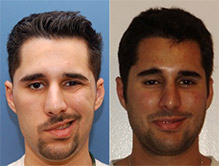
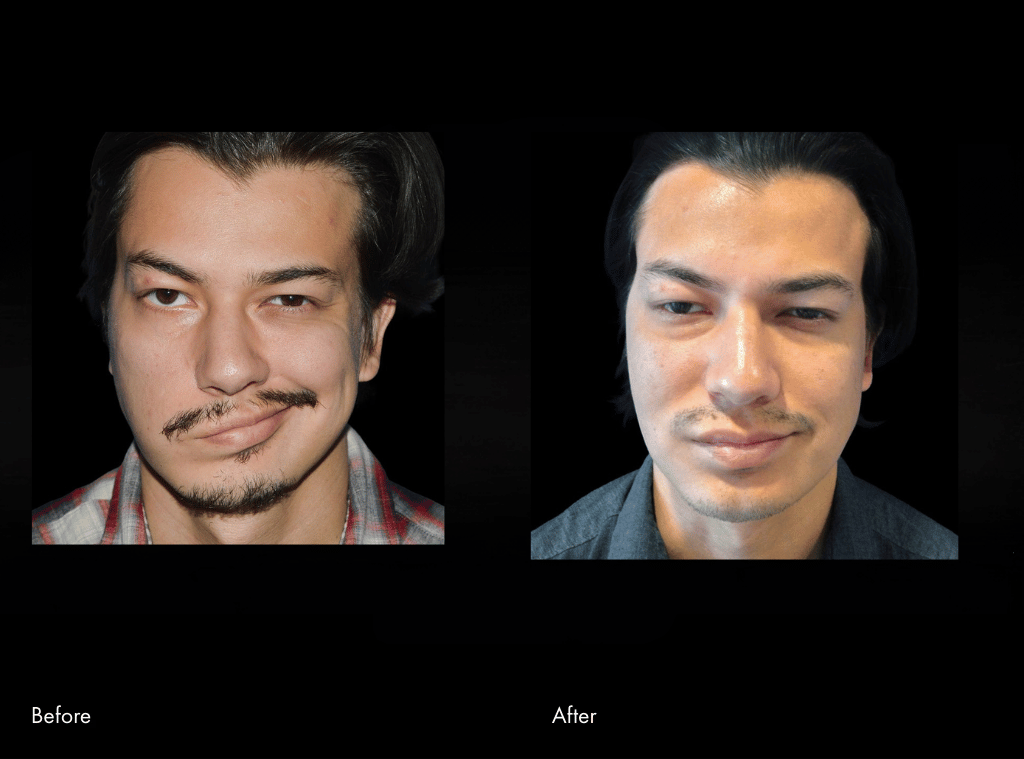
Before & After Masseteric Nerve Transfer
A masseter nerve transfer is a complex procedure, and Dr. Azizzadeh dedicates time and resources to ensure each patient can achieve the optimal results. Now, let’s take a look at before and after photos of some of the patients who have benefited from masseter to facial nerve transfer surgeries performed by Dr. Azizzadeh.
Nerve Regeneration Timeline
Facial movement often begins to return between six and seven months following surgery, as the nerve fibers regenerate and activate facial muscles. Improvement continues gradually over time, with strength, coordination, and smile control developing over months to years.
While smiling may initially require biting or clenching, many patients experience progressive neurological retraining that allows for a more spontaneous, natural smile.
Dr. Azizzadeh closely monitors each patient throughout recovery and coordinates follow-up visits to ensure optimal healing and progress. Facial physical therapy may be recommended to maximize results.
Long-Term Results of Masseteric Nerve Transfer
The reconstructed smile continues to improve for several years following surgery. Compared to traditional nerve transfers, masseteric nerve transfer offers:
- Strong motor input
- Reliable smile excursion
- Lower risk of speech or swallowing complications
Dr. Azizzadeh’s refined technique prioritizes proper nerve orientation and muscle balance to achieve natural-looking facial expressions.
Nerve to Masseter Facial Reanimation Surgery Risks
Risks associated with a masseter to facial nerve transfer include:
- Bleeding
- Infection
- Anesthesia complications
- Excessive scarring
Dr. Azizzadeh recommends a masseteric nerve transfer procedure if he believes the procedure can benefit a patient without putting their health in danger. If the potential risks of a masseter to facial nerve transfer outweigh the procedure’s benefits, Dr. Azizzadeh will recommend other treatments.
Is a Masseter Muscle Transfer for Facial Palsy Safe and Effective?
In terms of safety, Dr. Azizzadeh takes precautions to minimize risk during a trigeminal-facial nerve transfer. Dr. Azizzadeh prepares a patient for a masseter to facial nerve transfer and ensures the patient feels comfortable with the procedure. Also, Dr. Azizzadeh carefully performs a masseter nerve transfer and works closely with the patient to maximize treatment results.
The effectiveness of a masseteric nerve transfer depends on the patient. If masseter nerve transfer patients follow Dr. Azizzadeh’s post-treatment instructions and perform facial exercises as requested, they can boost the likelihood of achieving the full results of treatment.
Who Is a Good Candidate for a Masseter to Facial Nerve Transfer?
Patients who may benefit from masseteric nerve transfer include those who:
- Have complete or severe facial paralysis
- Have viable facial muscles
- Have not regained function from prior treatments
Patients with facial paralysis lasting longer than two to three years may not be ideal candidates if muscle viability has diminished. Those with partial facial paralysis or weak smiles may be better suited for alternative procedures.
A personalized consultation is essential to determine candidacy. A consultation with Dr. Azizzadeh provides a great starting point for a facial paralysis patient who is considering a masseter to facial nerve transfer. The consultation allows the patient to receive an in-depth evaluation and gain insights into a masseter to facial nerve transfer and other treatment options.
Is Masseteric Nerve Transfer Right for You?
No two facial paralysis cases are the same. During a consultation at The Facial Paralysis Institute, Dr. Azizzadeh performs a thorough evaluation, reviews medical history, and recommends the most effective treatment approach.
If masseteric nerve transfer is appropriate, a customized surgical plan is developed. If not, Dr. Azizzadeh offers alternative solutions tailored to the patient’s specific needs.
Dr. Azizzadeh strives to help a facial paralysis patient achieve long-lasting treatment results. He works directly with a patient and personalizes a facial paralysis treatment based on an individual’s symptoms. This approach has helped Dr. Azizzadeh deliver safe, effective treatment results to facial paralysis patients.
Frequently Asked Questions About Masseteric Nerve Transfer
How long does it take to see results after masseteric nerve transfer?
Initial facial movement typically appears around six months, with continued improvement over one to three years.
Will I lose chewing function after masseteric nerve transfer?
No. The masseter muscle continues to function normally, and patients do not experience difficulty chewing.
Is masseteric nerve transfer permanent?
Yes. Once the nerve regenerates and reinnervates the facial muscles, the results are long-lasting.
Does masseteric nerve transfer require physical therapy?
Facial physical therapy is often recommended to improve coordination, strength, and smile control.
Speak With Dr. Azizzadeh About Masseteric Nerve Transfer
If you or a loved one is experiencing facial paralysis or long-term Bell’s palsy, expert care is available. Dr. Azizzadeh offers advanced facial reanimation procedures, including masseteric nerve transfer and cross-facial nerve grafting, at The Facial Paralysis Institute.
Request your consultation with Dr. Azizzadeh today
Call us at (310) 657-2203 to schedule an appointment.
Schedule a Consultation