Selective neurolysis is a groundbreaking facial reanimation surgery designed to restore a natural, spontaneous smile in patients affected by synkinesis and facial paralysis. Developed and exclusively performed by globally recognized facial plastic and reconstructive surgeon Dr. Babak Azizzadeh, this procedure is the first permanent treatment that directly addresses abnormal facial nerve regeneration—the root cause of impaired facial expression.
Unlike traditional facial paralysis treatments that focus on muscles alone, selective neurolysis corrects the underlying nerve “mis-wiring” responsible for distorted or downward-pulled smiles. As a result, patients often experience rapid, meaningful improvements in facial symmetry, muscle coordination, and expressive movement.

What Is Selective Neurolysis?
Selective neurolysis—also known as modified selective neurectomy—is an advanced facial reanimation procedure for patients who cannot generate an appropriate smile due to:
- Permanent Bell’s palsy
- Facial synkinesis
- Partial facial paralysis
- Ramsay Hunt syndrome
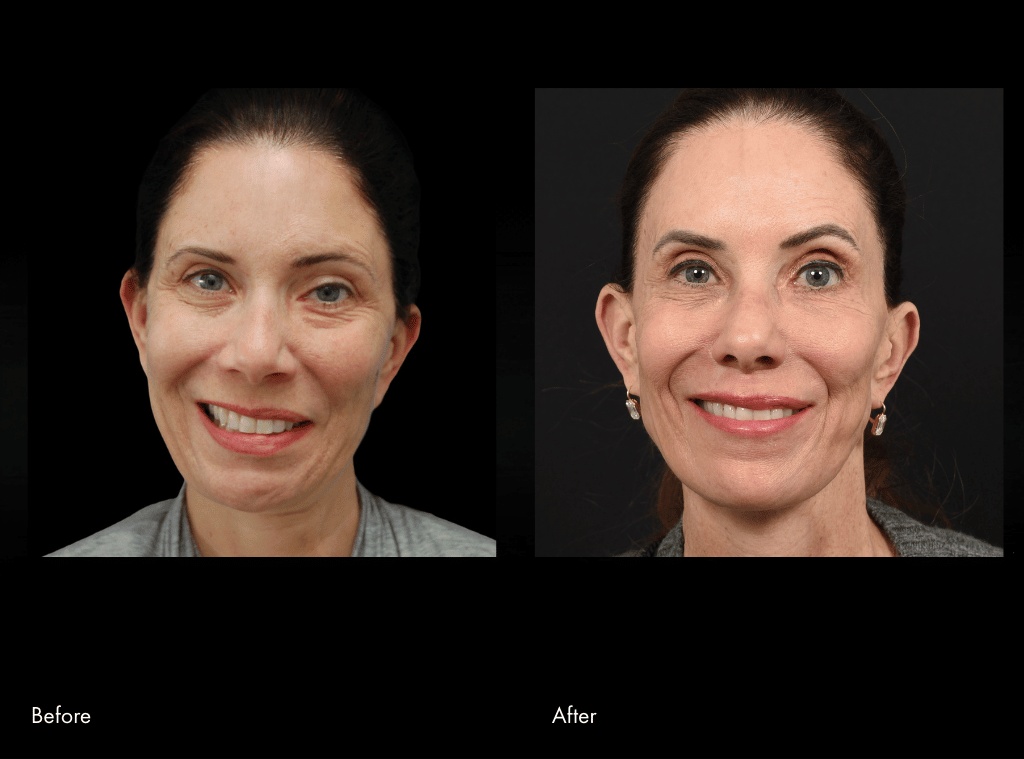
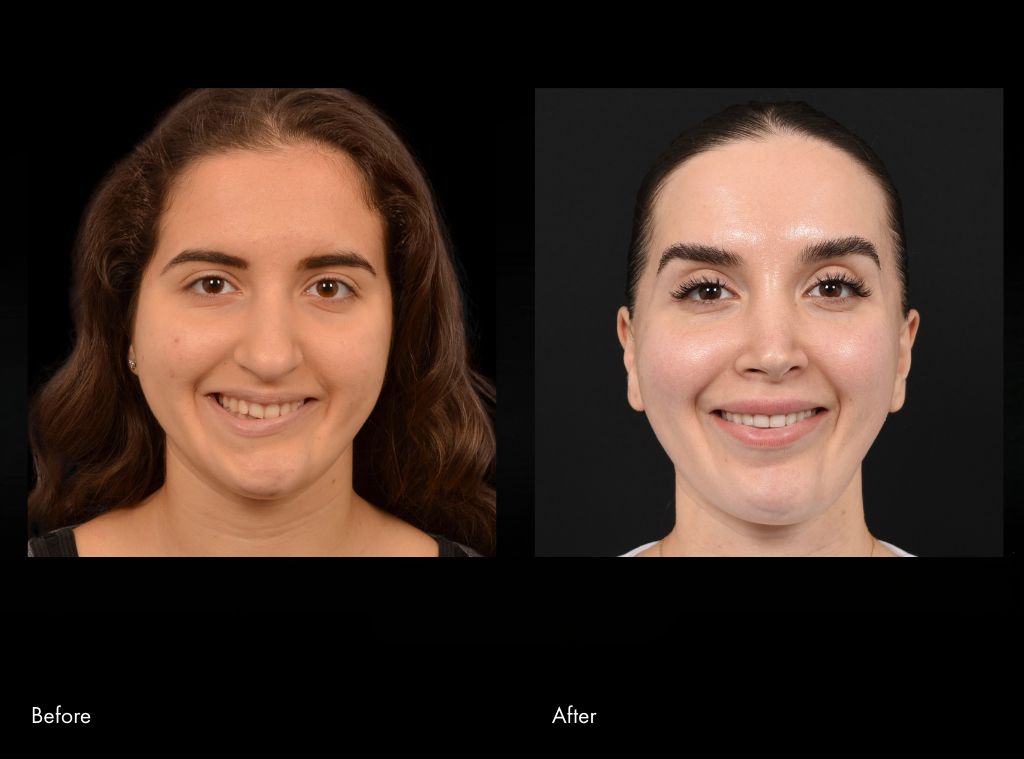
The procedure targets abnormal facial nerve regeneration that causes involuntary muscle activation and restricts natural smile movement. By selectively reducing nerve signals that interfere with smiling—while preserving nerves essential for expression—Dr. Azizzadeh enables spontaneous, upward facial movement and improved symmetry.
This meticulous nerve-based approach distinguishes selective neurolysis from other facial paralysis surgeries and produces results that closely resemble a natural smile.
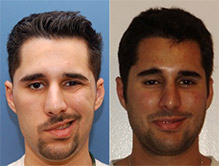
Before & After Modified Selective Neurectomy Videos


Why Is Selective Neurolysis Used to Treat Bell’s Palsy?
Selective neurolysis is unique because it treats the nerve dysfunction itself, not just the visible muscle imbalance. Most patients with long-term facial paralysis or Bell’s palsy develop synkinesis, where multiple facial muscles activate simultaneously and pull the smile downward.
Selective neurolysis corrects this by:
- Identifying counterproductive nerve branches
- Preserving nerves responsible for smile elevation
- Reducing nerve signals to muscles that distort expression
This nerve-level correction is what allows selective neurolysis to achieve natural-looking results unmatched by other smile reanimation techniques.
Conditions Treated with Selective Neurolysis
Selective neurolysis may be used to treat:
- Bell’s palsy (when recovery is incomplete)
- Facial synkinesis
- Ramsay Hunt syndrome
- Partial Facial paralysis
- Post–acoustic neuroma facial nerve injury
- Traumatic facial nerve injury
Why Is Selective Neurolysis Used to Treat Synkinesis?
Facial synkinesis, a condition that causes involuntary facial movement of certain muscles due to voluntary facial movement of other muscles, can be problematic. Individuals dealing with synkinesis may experience narrowing of the eyes when they smile, facial twitching that affects the cheek and chin and related symptoms.
With selective neurolysis for Synkinesis, an individual can tackle issues related to impaired facial muscle coordination, contracted and tense facial muscles, as well as various manifestations of synkinesis. Modified selective neurectomy is ideal for synkinesis patients who cannot achieve a natural-looking smile, as the procedure has minimal risks in comparison to similar procedures. Also, the Facial Paralysis Selective Neurolysis Surgery helps synkinesis patients simultaneously improve facial and smile symmetry and facial muscle coordination.
How Selective Neurolysis Works
During a modified selective neurolysis procedure, Dr. Azizzadeh:
- Maps all facial nerve branches using intraoperative electromyography (EMG)
- Identifies nerves that negatively impact smile mechanics
- Preserves nerve branches responsible for smile elevation
- Reduces activity in nerves causing downward pull
- Releases the platysma muscle, which pulls the mouth corner downward
- Reroutes the buccal branch of the facial nerve to the zygomatic branch or muscle to improve smile dynamics
This approach restores upward movement, symmetry, and timing—key components of a natural smile.
Image 1: Overview of selective neurolysis
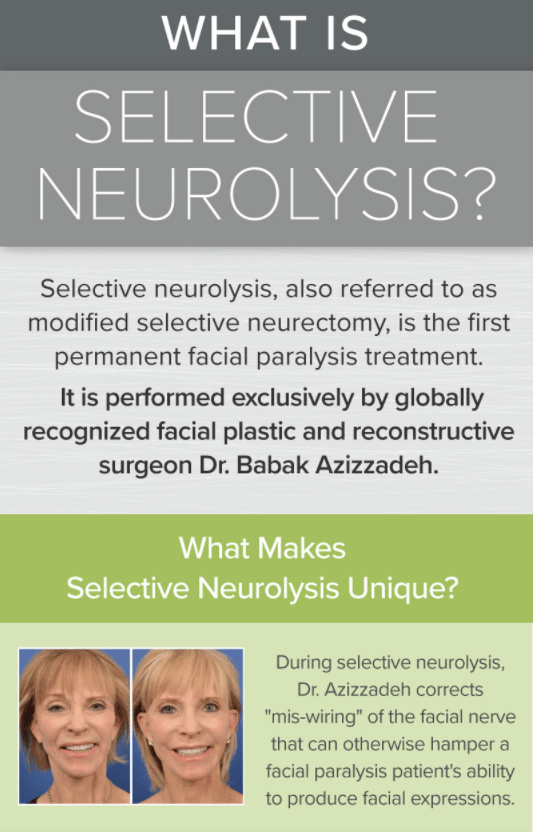
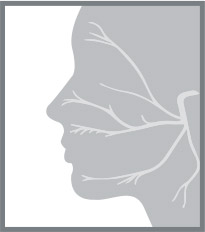
Image 2: Facial nerve mis-wiring in synkinesis
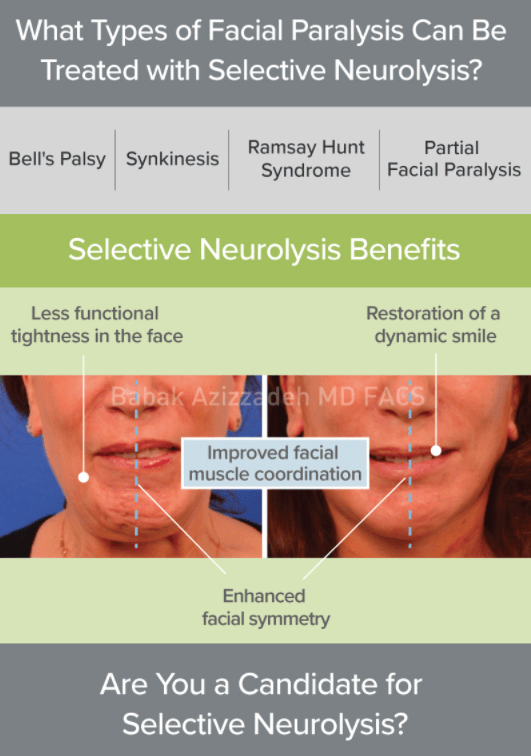
Image 3: Intraoperative EMG nerve mapping
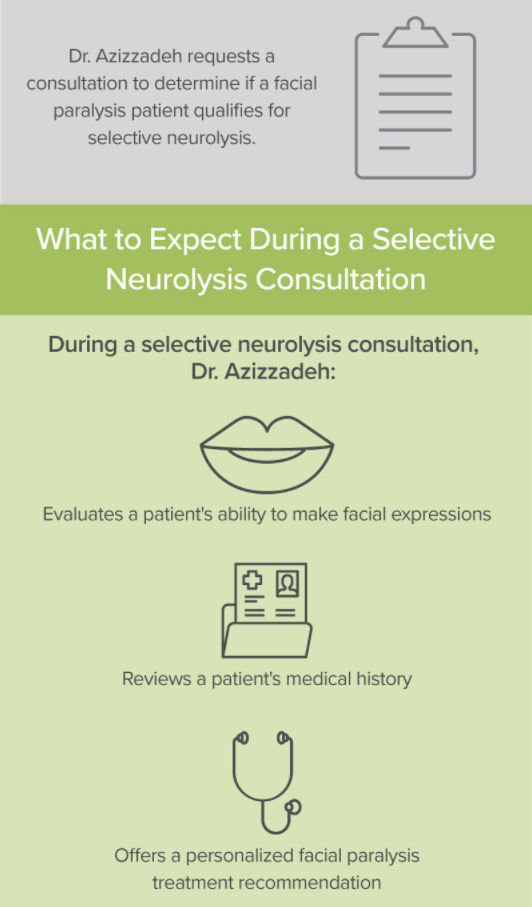
Image 4: Platysma muscle release
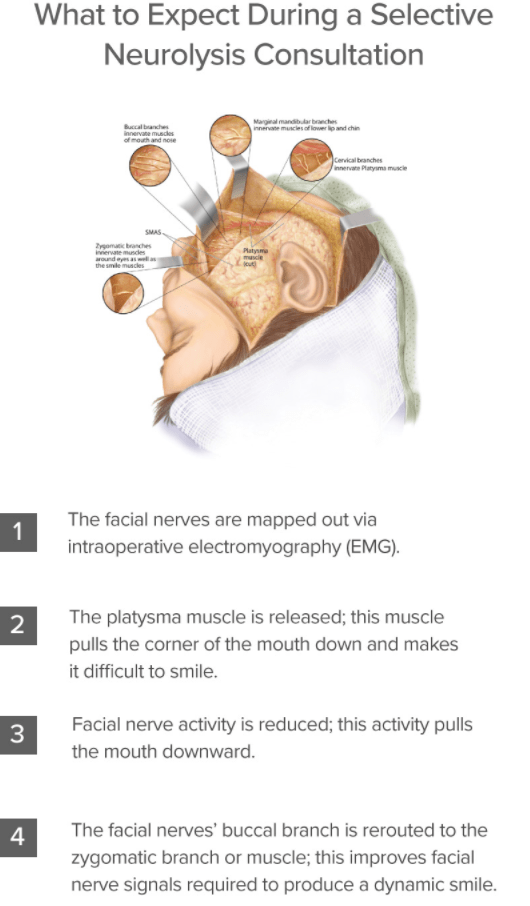
Image 5: Buccal to zygomatic nerve rerouting
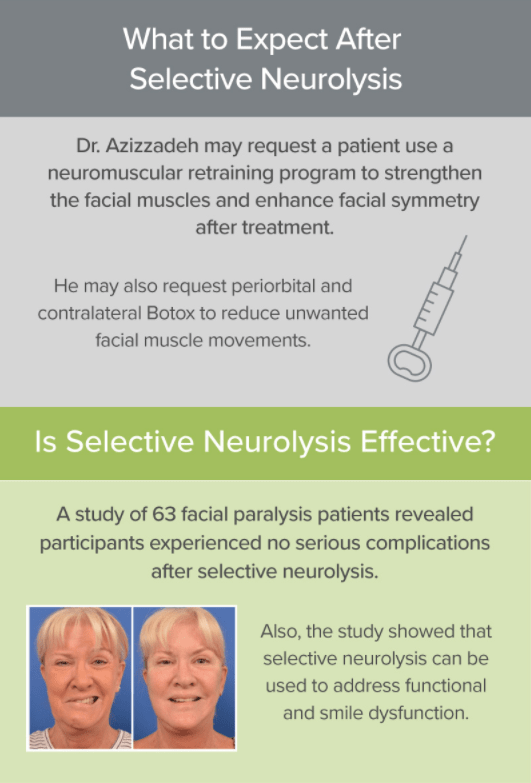
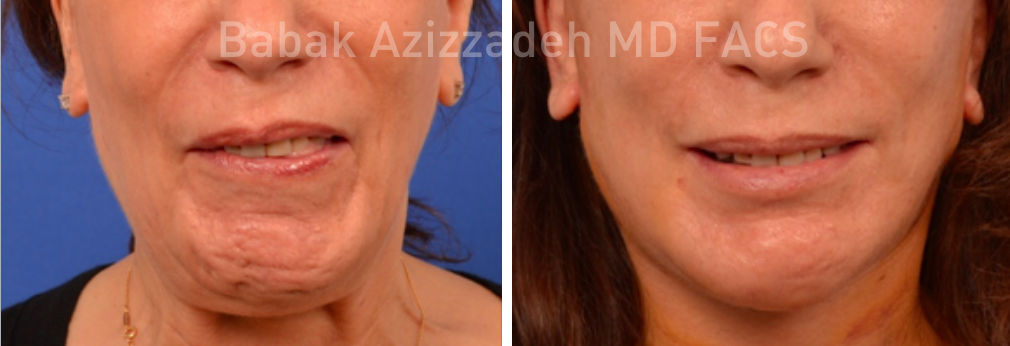
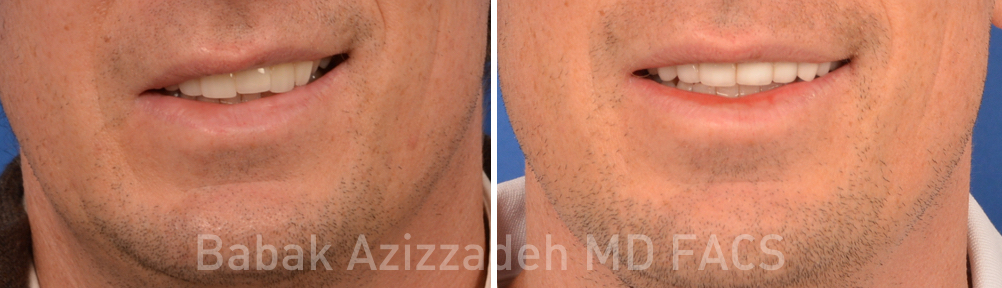
Image 6: Smile reanimation outcome
Selective Neurolysis for Bell’s Palsy
Bell’s palsy is a leading cause of facial paralysis. While many patients recover naturally, those with persistent symptoms often develop synkinesis. Selective neurolysis helps Bell’s palsy patients by limiting nerve activity that disrupts smiling and restoring coordinated facial movement—often with improvement seen as early as the day after surgery.
Selective Neurolysis for Synkinesis
(REVISED – consolidated technical explanation)
Synkinesis causes involuntary muscle activation during voluntary facial movement, resulting in eye narrowing, facial twitching, and a downward-pulled smile. Selective neurolysis addresses this by reducing nerve signals to muscles such as:
- Depressor anguli oris
- Platysma
- Orbicularis oris
- Buccinator
By correcting nerve input at the source, selective neurolysis restores facial balance, symmetry, and natural expression.
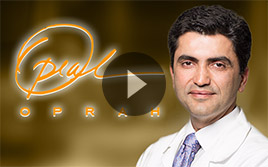
Selective Neurolysis & Dr. Azizzadeh on The Dr. Oz Show and Inside Edition

“It’s the first time in 25 years that when I smile, I can see the side of my teeth,” Mary Jo Buttafuoco.

What Are the Benefits of Modified Selective Neurectomy?
Selective neurectomy can help a patient achieve the following results:
- Improved facial and smile symmetry
- Enhanced facial muscle coordination
- Reduced functional tightness and tension
- Restoration of a dynamic, spontaneous smile
- Rapid results from a single-stage surgery
Unlike other facial reanimation procedures that may require multiple operations and years for results, selective neurolysis often produces visible improvement within days, with continued refinement over several months.
Few facial reanimation techniques help individuals achieve the components of a natural smile. Selective neurolysis has proven to be an effective long-term treatment for synkinesis and significantly enhances patients’ smile capabilities.
Additionally, unlike some of the other smile reanimation procedures that require multiple surgeries and can take two to three years to experience smile results, modified selective neurolysis for Synkinesis is a one-stage surgery. As such, the results of modified selective neurectomy can be seen as soon as one day after surgery with full results in just a couple of months.
What Should a Patient Expect from Facial Paralysis Selective Neurolysis Surgery?
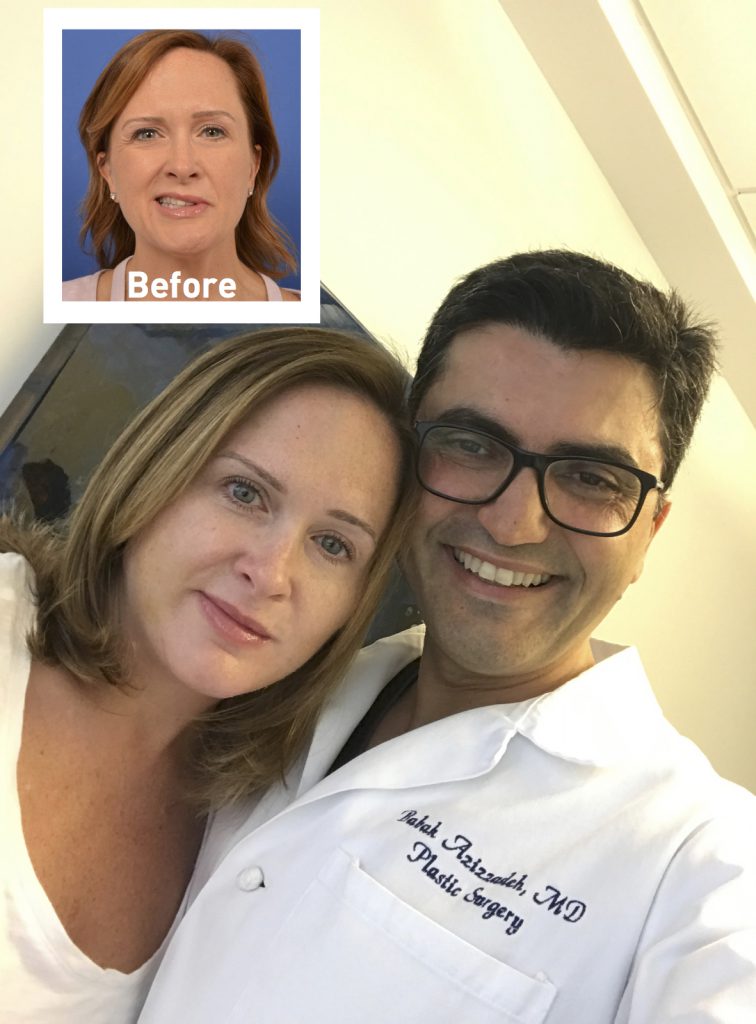
Selective neurectomy is a complex procedure, but the recovery period and potential side effects are limited compared to other facial reanimation procedures. Patients experience improvement in the generation of a natural smile within days of surgery, with final results continuing to improve over the next couple of months.
Following the selective neurolysis surgery, Dr. Azizzadeh may recommend his patients complete a neuromuscular retraining program designed to continue to help facilitate facial symmetry and improve facial movement. The physical therapist will teach a patient the proper exercises and provide customized sessions based on the facial movement needs of the patient.
Also, a patient may require periorbital and contralateral Botox after the procedure. Botox consists of a protein derived from the botulinum toxin and is one of the most effective selective neurolysis for Synkinesis treatments for partial facial paralysis and synkinesis patients. It helps relax unwanted muscle movements in the face and reduce tension in areas of the face that are hyperactive due to synkinesis.
Is a Facial Paralysis Selective Neurolysis Surgery Necessary?
The goal of selective neurolysis surgery is to help a patient regain the ability to naturally produce facial expressions. Dr. Azizzadeh recommends a selective neurolysis procedure if he believes a patient can benefit from it. To determine a patient’s eligibility for modified selective neurolysis for Synkinesis and facial paralysis, Dr. Azizzadeh requires a consultation. During the consultation, Dr. Azizzadeh examines his patient and determines if selective neurolysis surgery or other treatment options can deliver the optimal results.
Is Selective Neurolysis Available to Patients of All Ages?
Dr. Azizzadeh has performed selective neurolysis surgery on men and women. Yet, there may be instances when a patient — regardless of age — has one or more preexisting medical conditions that increase the risk of modified selective neurectomy complications. In these instances, Dr. Azizzadeh will not recommend a selective neurolysis procedure.
It is important to note that there are risks associated with selective neurolysis and other facial paralysis treatments. Dr. Azizzadeh analyzes a facial paralysis patient and identifies the risks associated with various treatment options. He then tailors a treatment to his patient, so he or she can achieve the intended results without putting their health in danger.
Is Facial Paralysis Selective Neurolysis Surgery Safe?
Dr. Azizzadeh is a world-renowned facial plastic and reconstructive surgeon. He spearheaded the development of a modified selective neurolysis for Synkinesis and performs the procedure only if he believes it is a safe option for a patient.
To determine if this is the right treatment for a patient, Dr. Azizzadeh requests a consultation. This allows Dr. Azizzadeh to analyze a patient and understand his or her facial paralysis symptoms.
If Dr. Azizzadeh believes modified selective neurectomy can safely and effectively help a patient achieve a natural smile, he creates a treatment plan. Or, if Dr. Azizzadeh deems the selective neurolysis for Synkinesis and facial paralysis surgery to be too risky for a patient, he offers alternative treatment options.
Study on Modified Selective Neurectomy for Post-Facial Paralysis Synkinesis
A recent study of 63 patients revealed that modified selective neurectomy provides an effective long-term treatment for post-facial paralysis synkinesis. Dr. Azizzadeh has published an article that details the study results – read the article to learn more.
Recovery and Aftercare
Recovery from selective neurolysis is generally quicker and less intensive than other facial reanimation surgeries. Patients often notice early improvement within days, with continued refinement over several months.
Postoperative care may include:
- Neuromuscular retraining therapy
- Periorbital and contralateral Botox to reduce unwanted movement
These therapies further enhance facial symmetry and functional outcomes.
What to Expect During a Modified Selective Neurolysis for Synkinesis Treatment Consultation
Dr. Babak Azizzadeh is a Harvard-trained facial paralysis and reconstructive surgeon with a special focus in nerve disorders and treatments. During a consultation, Dr. Azizzadeh will discuss all treatment options with the patient. If Dr. Azizzadeh determines a patient is a candidate for Facial Paralysis Selective Neurolysis Surgery, he will develop a customized treatment plan.
During a consultation, Dr. Azizzadeh will discuss all treatment options with the patient. If Dr. Azizzadeh determines a patient is a candidate for modified neurolysis for Synkinesis, he will develop a customized treatment plan.
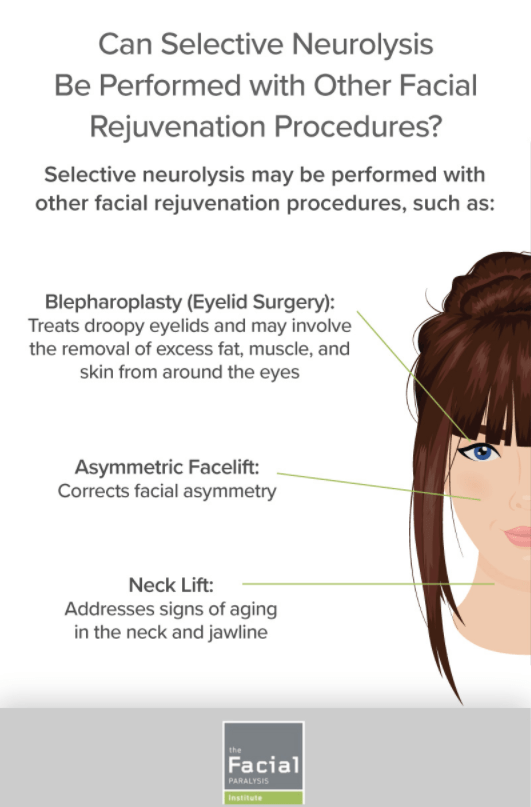
In some instances, Dr. Azizzadeh may recommend this surgery be performed in combination with any of the following procedures:
- Asymmetric Facelift: Enables a patient to correct facial asymmetry, leading to a more balanced and natural-looking facial appearance.
- Blepharoplasty (Eyelid Surgery): Helps a patient minimize the appearance of droopy eyelids and may involve the removal of excess fat, muscle and skin.
- Facial Rejuvenation: A patient can also elect to undergo facial rejuvenation procedures at the same time as selective neurolysis. This can include a facelift and neck lift.
Will Patients Experience Facial Paralysis Symptoms after a Selective Neurolysis for Synkinesis Procedure?
Facial Paralysis Selective neurolysis surgery is designed to limit the risk of complications and provide long-lasting results. If a patient undergoes a selective neurolysis procedure and experiences facial paralysis or other symptoms after treatment, consult with Dr. Azizzadeh. At this point, Dr. Azizzadeh can evaluate the patient and determine a viable treatment to correct these symptoms.
Is a Selective Neurolysis Procedure the Best Option to Treat Facial Paralysis Symptoms?
The benefits of selective neurolysis surgery can be significant, but the procedure is not intended for every facial paralysis patient. By meeting with Dr. Azizzadeh, a patient can gain insights into the treatment, how it works, and if he or she is a good candidate for selective neurolysis for Synkinesis and facial paralysis procedure. If a patient qualifies for a modified Facial Paralysis Selective neurolysis surgery, Dr. Azizzadeh can then provide a personalized treatment plan.
Why Should You Choose Dr. Azizzadeh for a Selective Neurolysis Procedure?
Dr. Babak Azizzadeh is a Harvard-trained facial plastic and reconstructive surgeon who pioneered selective neurolysis. He performs multiple procedures weekly and customizes each surgery to the patient’s anatomy and goals. His comprehensive, hands-on approach and ongoing follow-up care consistently deliver industry-leading smile reanimation results.
He is a globally recognized facial plastic and reconstructive surgeon who tailors each procedure to his patient. Before selective neurolysis is performed, Dr. Azizzadeh learns about his patient’s facial paralysis symptoms. Dr. Azizzadeh also evaluates a facial paralysis patient’s medical history. If Dr. Azizzadeh determines a patient is a good candidate for selective neurolysis for Synkinesis and facial paralysis procedure, he then crafts a custom treatment program. Or, if Dr. Azizzadeh believes selective neurolysis won’t help a patient correct his or her facial paralysis symptoms, he provides alternative Facial Paralysis Selective neurolysis surgery treatment options.
Dr. Azizzadeh provides comprehensive support throughout a facial paralysis treatment program, too. He works closely with a patient to ensure this individual can overcome his or her facial paralysis symptoms. Plus, Dr. Azizzadeh monitors a patient’s progress in the weeks and months following treatment. In doing so, Dr. Azizzadeh helps a patient achieve the best-possible facial paralysis treatment results.
Additionally, Dr. Azizzadeh is an expert resource for facial paralysis patients. Dr. Azizzadeh is committed to educating facial paralysis patients about all aspects of selective neurolysis. As such, Dr. Azizzadeh is happy to provide facial paralysis patients with expert responses to their concerns and questions.
Schedule a Selective Neurolysis Consultation in Beverly Hills with Dr. Azizzadeh
There is no shortage of facial paralysis treatments available, and as a result, determining the best course of action to address facial paralysis symptoms is sometimes difficult. Fortunately, by meeting with Dr. Azizzadeh, an individual, can explore selective neurolysis as a treatment options.
To schedule a consultation with Dr. Azizzadeh, please contact The Facial Paralysis Institute at 310-657-2203 or email us.
Request your consultation with Dr. Azizzadeh today
Call us at (310) 657-2203 to schedule an appointment.
Schedule a Consultation