Dealing with facial nerve issues can be confusing and stressful. You may not know which type of doctor to see or where to start. Facial nerve problems affect not only how you look but also how you speak, blink, and express emotion. Finding the right specialist early on can make all the difference in your recovery and quality of life.
Key Takeaways
- PCPs and ER doctors are usually the first to evaluate sudden facial weakness, mainly to rule out emergencies like stroke.
- Neurologists get involved early when the cause appears nerve-related.
- ENT specialists step in when issues may stem from the ear, mastoid, or head and neck structures.
- Facial plastic and head & neck surgeons provide advanced treatments, including reanimation and reconstruction.
- Nerve repair experts use grafts and transfers to restore movement.
- A multidisciplinary team offers the best care for diagnosis, treatment, and long-term recovery.
Understanding Who Can Help With Facial Nerve Issues
When you notice something isn’t quite right with your facial movement, it’s natural to feel a bit worried. You might wonder, “Who exactly do I need to see about this?” It’s a really common question, and the answer can sometimes be a little more complex than you’d expect because the facial nerve is involved in so many different functions.
Primary Care Doctors (PCPs) and Emergency Physicians

For most people, the journey starts here. If you experience sudden facial drooping, your primary care doctor or an ER physician is typically the first provider to evaluate your symptoms. Their immediate job is to rule out medical emergencies—especially stroke, which can look very similar to facial paralysis.
Once a stroke or life-threatening condition is ruled out, PCPs and ER doctors can begin basic testing, provide initial guidance, and refer you to the right specialists for further evaluation.
Neurologists

Neurologists are often the next specialists involved, particularly when facial paralysis may be linked to nerve inflammation, viral infections, or other neurological causes.
Because they specialize in the brain, spinal cord, and cranial nerves (including the facial nerve), neurologists can:
- Perform detailed nerve testing
- Diagnose conditions such as Bell’s palsy, Ramsay Hunt syndrome, or neuropathies
- Start treatments like oral steroids, antivirals, or nerve-stabilizing medications
- Determine whether further imaging is needed
Neurologists are essential for understanding whether the problem originates in the nervous system itself.
The Role of Ear, Nose, and Throat Specialists
While emergency and primary care providers are usually the first to see facial paralysis, ENT doctors become important shortly afterward—especially if the issue may originate in the ear or head and neck structures.
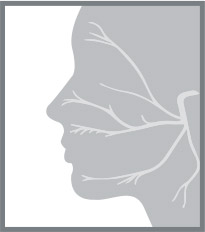
The facial nerve passes through the middle ear, mastoid bone, and parotid gland before reaching your facial muscles. Issues such as ear infections, cholesteatoma, sinus disease, mastoid inflammation, or head and neck tumors can disrupt the nerve along this path.
ENT specialists can:
- Perform imaging and endoscopic evaluations
- Diagnose structural problems affecting the nerve
- Treat infections or tumors involving the ear and salivary glands
- Coordinate surgical or nonsurgical treatment
They are crucial when the facial nerve problem may be related to the ear, throat, or neck region.
Ophthalmologists
Facial paralysis can impair your ability to blink or fully close your eye, putting you at risk for dryness, corneal injury, and vision changes.
Ophthalmologists help by:
- Protecting the eye with lubricants, gels, or taping
- Managing exposure keratopathy
- Recommending procedures like temporary eyelid weights if needed
Even when they aren’t treating the nerve itself, they play a major role in preserving long-term eye health.
Facial Plastic & Reconstructive Surgeons

When facial nerve damage is severe, long-term, or permanent, facial plastic and reconstructive surgeons become essential.
These specialists offer advanced procedures that restore movement, symmetry, and facial expression, such as:
- Nerve grafts and nerve transfers
- Dynamic muscle transfer surgery
- Static procedures (fascia slings, eyelid support, eyebrow lift)
- Facial reanimation techniques
- Botox or fillers for synkinesis or imbalance
Their goal is to improve both function and appearance when the nerve cannot fully recover on its own.
A Collaborative Approach to Care
Facial nerve disorders are often treated collaboratively, which is comforting. Multiple professionals working together can yield the greatest results due to the variety of causes and effects. Your treatment team may include ENTs, neurologists, facial plastic surgeons, and physical therapists. This collaborative approach takes into account all elements of your health and customizes your treatment plan. This combined knowledge and coordinated care ensures the most effective treatment.
Comprehensive Care for Facial Nerve Conditions
Facial nerve difficulties can be intimidating, but a methodical diagnosis and treatment can help. Identifying the cause of facial weakness or paralysis is frequently the first step to healing. You may have ear, nose, and throat troubles instead of a neurological condition. The facial nerve passes via these locations, thus infections, inflammation, or tumors in the middle ear, mastoid bone, or salivary glands might damage it. This can cause taste, tear, and sound changes as well as a drooping face.
Diagnosing the Cause of Facial Weakness
A thorough evaluation is needed when you discover something wrong with your face movement. A doctor will examine your facial muscles, side-of-face differences, and facial mobility. They may also examine hearing, taste, and ocular moisture changes. An MRI or CT scan may be needed to better understand the body.
Treatment Options for Bell’s Palsy and Shingles
If your facial weakness is due to Bell’s palsy or Ramsay Hunt syndrome (shingles affecting the facial nerve), treatment often begins with medications. Steroids might be prescribed to reduce inflammation, and antiviral medications could be used if the cause is viral. For Bell’s palsy, some doctors recommend facial exercises to help retrain the muscles. The goal is to help your nerves recover and regain movement. Early intervention is often beneficial for the best possible outcome.
Addressing Infections and Tumors Affecting the Nerve
When infections or tumors are the cause of your facial nerve problems, the treatment plan will focus on addressing that specific issue. This might involve antibiotics for infections, or surgery to remove a tumor. If a tumor is pressing on the nerve, removing it can relieve the pressure and allow the nerve to heal. In some cases, if the nerve itself is involved in a tumor or has been damaged by an infection, more specialized procedures might be necessary to repair or bypass the affected section. Finding an expert in facial nerve conditions is important, and doctors like Dr. Babak Azizzadeh are recognized for their work in treating these complex issues Bell’s Palsy treatment recommendations.
Here’s a look at common causes and general approaches:
- Bell’s Palsy: Often idiopathic (no known cause), treated with steroids and sometimes antivirals.
- Ramsay Hunt Syndrome: Caused by the varicella-zoster virus (shingles), treated with antivirals and steroids.
- Infections: Bacterial or viral infections in the ear or salivary glands may require antibiotics or other specific treatments.
- Tumors: Depending on the type and location, tumors may be managed with surgery, radiation, or observation.
It’s reassuring to know that even when the cause is complex, medical professionals have developed various strategies to help restore facial function and improve your quality of life. The focus is always on creating a plan tailored just for you.
Advanced Surgical Solutions for Facial Paralysis
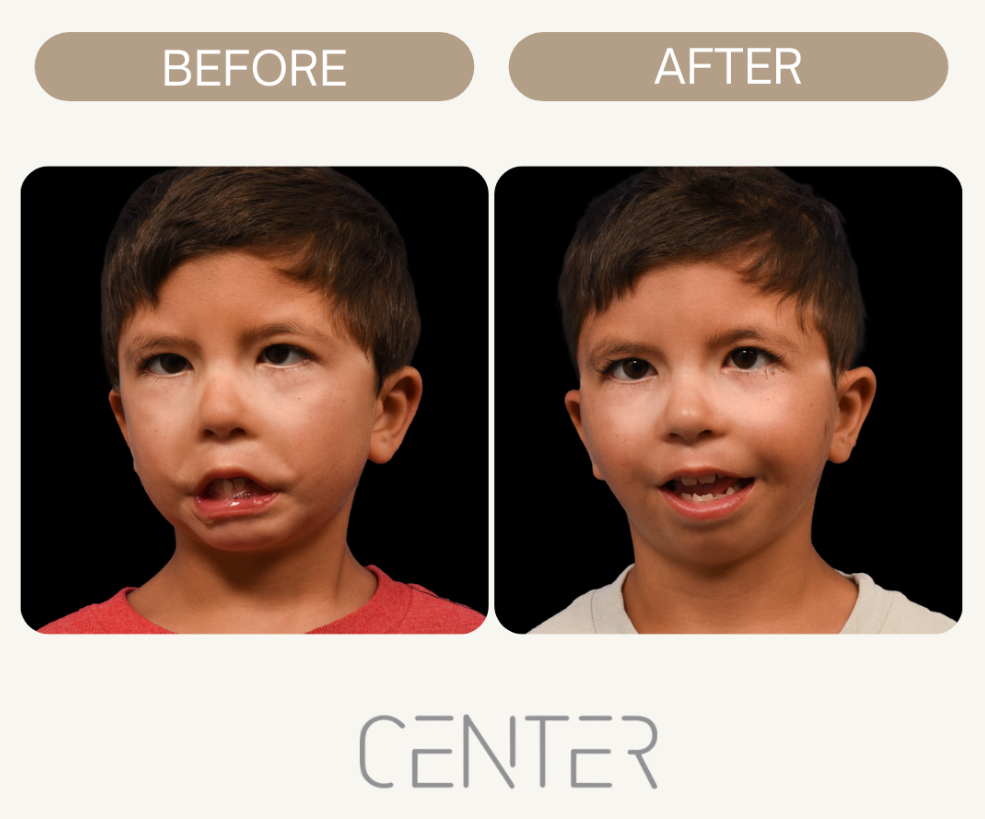
Facial paralysis can affect how you smile, blink, and express yourself — but modern surgical techniques can help restore natural movement and balance. These advanced procedures are tailored to each patient, focusing on regaining both facial function and confidence. With expert care, it’s possible to bring back symmetry and expression to your face.
- Nerve Grafting and Transfers:
When the facial nerve is damaged, surgeons can reroute healthy nerves to re-establish communication with facial muscles. A nerve graft bridges the injured area, while a nerve transfer connects a working nerve to the facial nerve to restore movement. Early intervention improves results, and your surgeon will determine the best method based on muscle and nerve health. - Muscle and Tendon Transfers:
For more severe paralysis, surgeons may transplant a healthy muscle or tendon from another part of the body to the face. This “helper” muscle restores movement, such as lifting the corner of the mouth for a smile. These procedures may be performed in stages to achieve the most natural results. - Restoring Smile and Blink Function:
Reanimation surgery focuses on key expressions like smiling and blinking. Techniques include reactivating smile muscles, using small muscle transfers, or placing eyelid weights to help the eye close and protect vision. The goal is to restore not just movement, but comfort, protection, and self-expression.
Related: Facial Nerve Decompression Surgery
Comprehensive Care for Facial Nerve Disorders

A collaborative approach is often key to full recovery. The best outcomes usually come from a multidisciplinary team that may include ENTs, neurologists, plastic surgeons, and physical therapists. At The Facial Paralysis Institute, patients benefit from this exact model — a coordinated plan that addresses every aspect of healing, from nerve repair to rehabilitation and emotional support.
When to Seek Help
If you notice sudden weakness, asymmetry, or loss of facial movement, don’t wait. Early diagnosis improves the chances of recovery. Prepare for your first appointment by noting your symptoms, medications, and any recent infections or trauma.
Take the Next Step Toward Recovery
Finding the right doctor for facial nerve issues is crucial as these problems can impact speech, eating, and emotional expression. A good starting point is an ear, nose, and throat doctor (otolaryngologist), who can assess whether the issue is related to the ear, throat, or the nerve itself. They may collaborate with neurologists or facial reconstruction surgeons. Patients should seek a doctor who understands their unique situation and can develop a suitable care plan, encouraging open communication and fostering comfort and confidence in the treatment process.
Finding the right doctor is the first step to regaining confidence and movement.
The Facial Paralysis Institute, led by Dr. Babak Azizzadeh, provides advanced treatments for facial nerve disorders, from Bell’s palsy to post-tumor nerve reconstruction.
Visit Facial Paralysis Institute to schedule a consultation and start your journey toward restored facial function and confidence.
Request your consultation with Dr. Azizzadeh today
Call us at (310) 657-2203 to schedule an appointment.
Schedule a Consultation