Lyme disease is an infectious disease caused by a bite from a blacklegged tick carrying Borrelia burgdorferi or Borrelia mayonii bacteria. According to the Centers for Disease Control and Prevention (CDC, 2024), approximately 30,000 cases are reported annually, but experts estimate as many as 476,000 people may actually experience Lyme disease in the U.S. each year.
Endemic regions include the Northeast, North-Central, and Pacific-Coast states, though risk exists nationwide. Once bitten by an infected tick, a range of symptoms may develop — and in some cases, the infection can affect the facial nerve, leading to facial weakness or paralysis.
Lyme disease can cause fever, headache, fatigue, and other physical symptoms. In some instances, Lyme disease can result in facial weakness or paralysis as well.
What Is Facial Paralysis in Lyme Disease?
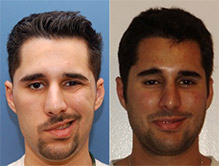
When Lyme disease bacteria spread to or inflame the nervous system, they can damage cranial nerves — especially the facial nerve (seventh cranial nerve), which controls facial muscle movements. If inflamed or compressed, this nerve can cause weakness or paralysis on one or both sides of the face. Untreated nerve damage may worsen, highlighting the need for early diagnosis and therapy.
How Often Does Facial Paralysis Occur in Lyme Disease?
Recent research estimates that 3 – 10% of Lyme disease patients may develop facial palsy. The CDC notes roughly 9 of every 100 Lyme cases include facial palsy (CDC, 2024). A 2023 study published on PubMed Central also found bilateral (both-side) facial paralysis to be rare but documented.
Symptoms to Be Aware Of
In addition to the classic Lyme disease signs such as rash, fever, headache, and fatigue, facial paralysis can also occur with:
- Sudden facial droop or inability to smile or close one eye
- Weakness on one or both sides of the face
- Pain or tingling around the ear or jaw
These symptoms may appear within 7 – 21 days following a tick bite or early in disseminated infection.
Additional systemic symptoms can include:
- Muscle and joint aches
- Swollen lymph nodes
- Neck stiffness
- Heart palpitations
- Numbness or tingling of the hands and feet
Diagnosis: How Is Lyme-Related Facial Paralysis Identified?
Laboratory tests are commonly used to diagnose Lyme disease. These tests require a blood sample from a patient. Initially, a blood test is taken to determine if a patient is dealing with Lyme disease. If a patient tests negative for Lyme disease, no further testing is required. However, if a patient tests positive or the initial test results are unclear, a second test is used to verify Lyme disease is present. Lab tests are also used to diagnose Bell’s palsy or other forms of facial paralysis. A neurologic and ear, nose, and throat evaluation are also performed.
Accurate diagnosis is critical because treatment for idiopathic Bell’s palsy differs from Lyme-related paralysis. Physicians typically follow a two-step testing protocol — an ELISA test followed by a confirmatory Western blot, as recommended by the CDC. Neurologic and ENT examinations assess facial nerve function. CT, MRI, or EMG/ENoG may be used to gauge nerve damage or rule out other causes.
This differentiation matters: studies show that treating Lyme-associated facial palsy with the same corticosteroid regimen used for Bell’s palsy can worsen recovery outcomes.
Comprehensive testing is key to accurately diagnose Lyme disease and Bell’s palsy. These conditions can occur in combination with one another or separately, and testing ensures a patient can find out if one or both are present. Following testing, a patient can pursue treatment options that deliver long-lasting symptomatic relief.
Are There Different Lyme Disease Bell’s Palsy and Facial Paralysis Symptoms?
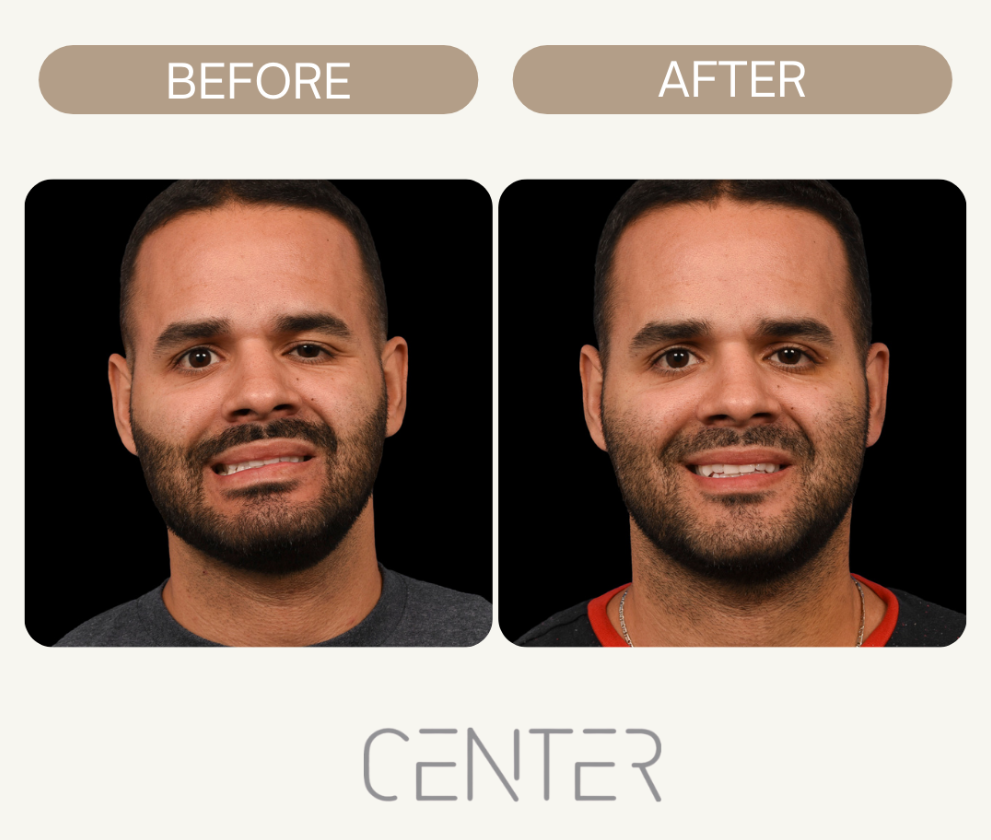
A common symptom of Lyme disease that causes Bell’s palsy is weakness on one side of the face. Comparatively, Lyme disease related to facial paralysis can result in weakness on one or both sides of the face.
Also, Lyme disease linked to facial paralysis can cause fever, chills, neck stiffness, and other flu-like symptoms. On the other hand, Lyme disease related to Bell’s palsy is unlikely to cause any of these symptoms.
Lyme Disease and Facial Nerve Palsy Treatment
Lyme disease Bell’s palsy treatment sometimes requires the use of antibiotics. Antibiotics (such as doxycycline, amoxicillin, or cefuroxime) remain the cornerstone of Lyme disease treatment.
Corticosteroids are not routinely recommended unless Lyme disease has been ruled out. If eye closure is affected, protective measures — lubricating drops, taping, or eyelid weights — help prevent corneal injury. Persistent weakness may benefit from facial physical therapy, neuromuscular retraining, or in select cases, surgical options such as nerve grafting or facial reanimation.
To determine the best course of action, it is essential to meet with a doctor. This allows a patient to receive a full medical assessment to find out if he or she is dealing with Lyme disease, then explore various treatment options.
Prognosis & Recovery
Most patients recover full facial function within 2 – 3 months after antibiotic therapy, although recovery may take up to 18 months (PubMed Central, 2022). Some patients experience residual muscle tightness or involuntary movements; ongoing rehabilitation can improve coordination and symmetry.
A patient coping with facial paralysis due to Lyme disease recovers lost facial tone and movement during recovery. Some patients may experience permanent facial muscle tightness, involuntary facial movements, or related problems due to Lyme disease. In these instances, additional treatments may be required.
Prevention & What You Can Do
Preventing Lyme-related facial paralysis begins with reducing your risk of tick exposure. Ticks that carry Borrelia burgdorferi are most active during warmer months, especially in wooded or grassy areas where they can easily attach to exposed skin. By taking a few simple precautions, you can significantly lower your chances of infection and protect yourself from potential nerve complications like facial paralysis.
- Wear long clothing outdoors and use tick repellents with DEET or permethrin.
- Check for ticks after spending time in wooded or grassy areas.
- Remove attached ticks promptly — within 24 hours greatly reduces transmission risk.
- Seek medical evaluation if you notice a rash, flu-like symptoms, or new facial weakness.
Lyme Disease Bell’s Palsy and Facial Paralysis: What Is the Best Treatment Option?

There may be times when Lyme disease occurs due to a bacterial infection that can be treated with antibiotics. Or, there may be instances when other treatment options are required to address a patient’s symptoms. Regardless, testing is necessary to ensure a patient can receive an accurate Lyme disease diagnosis. From here, a doctor can identify a safe, effective treatment designed to deliver long-lasting symptomatic relief.
Appropriate treatment for Lyme disease Bell’s palsy or other facial palsy symptoms is crucial. In one study, researchers found patients dealing with Lyme disease-related facial palsy faced a higher risk of severe long-term outcomes when treated using the same regimen as Bell’s palsy patients.
Those who experience facial paralysis symptoms should consult with a doctor immediately. At this time, a doctor can determine if these symptoms are related to facial paralysis. The doctor also can find out if a patient is coping with Bell’s palsy or facial palsy and treat the condition accordingly.
Schedule a Lyme Disease and Bell’s Palsy Treatment Consultation with Dr. Azizzadeh
Dr. Babak Azizzadeh of The Facial Paralysis Institute is a globally recognized facial plastic and reconstructive surgeon who helps patients dealing with long-term facial paralysis related to Lyme disease. He is happy to explore treatment options to help a Lyme disease patient achieve long-lasting relief from their facial paralysis symptoms. To schedule a consultation with Dr. Azizzadeh, please contact us online or call us today at (310) 657-2203.
Request your consultation with Dr. Azizzadeh today
Call us at (310) 657-2203 to schedule an appointment.
Request your consultation with Dr. Azizzadeh today
Call us at (310) 657-2203 to schedule an appointment.
Schedule a Consultation