Facial paralysis affects more than appearance. It can interfere with eating, speaking, and expressing emotion. For patients seeking immediate improvement in facial symmetry, static sling procedures offer a proven solution that addresses these daily challenges without lengthy recovery times.
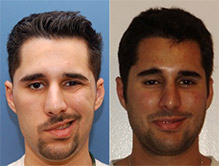
Static suspension can create better facial symmetry as well as improve some of the most difficult side-effects of facial paralysis including drooling and biting of the inner gum. Dr. Babak Azizzadeh typically uses tensor fascia lata (a tendon-like structure from the thighs) to support and create a laugh line. This Facial Paralysis Institute Static Sling procedure creates symmetry of the lips, corner of the mouth and laugh line. The procedure is usually performed through a small incision in the scalp and the fascia is placed under the skin where it is not visible. Dr. Azizzadeh is one of the leading surgeons who utilizes this technique.
https://facialparalysisinstitute.com/blog/temporalis-transfer
Tensor Fascia Lata: The Gold Standard Material
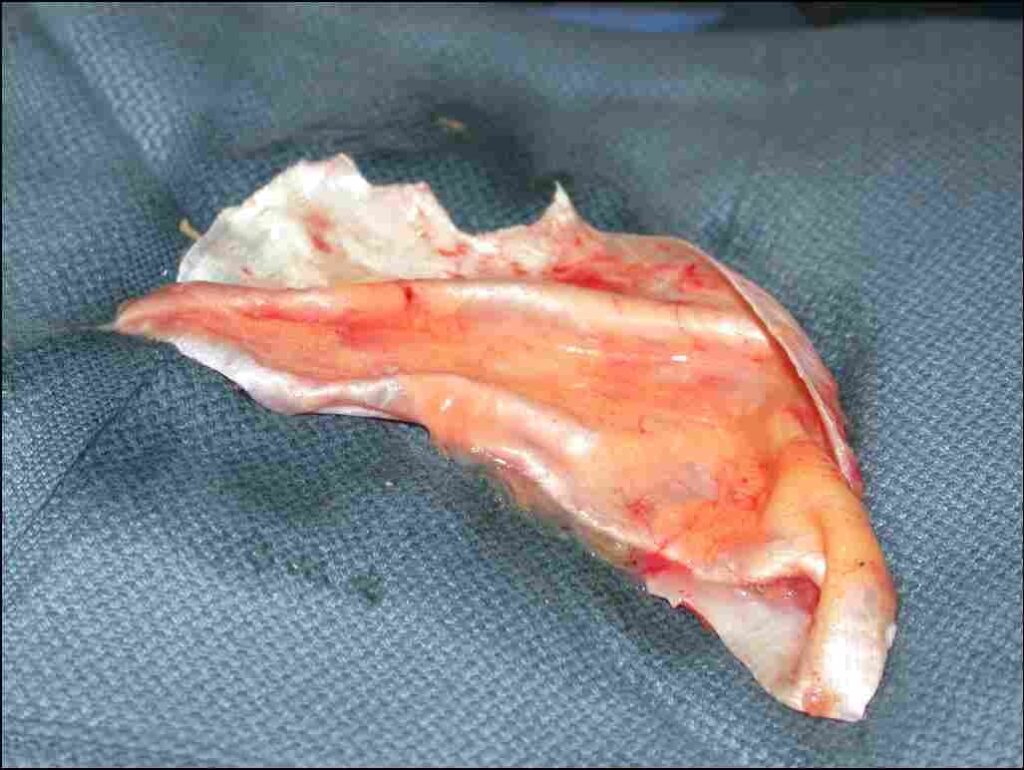
Tensor Fascia Lata has been used extensively by Dr. Azizzadeh at the Facial Paralysis Institute in Beverly Hills, California as a Static Sling for facial paralysis treatment. Tensor Fascia Lata is harvested from the outer thigh through a minimally invasive incision. Tensor Fascia Lata is an extremely good source of tissue from one’s own body and can be used as multiple slings.
Through facelift skin incisions, strips of Tensor Fascia Lata are anchored to the bone on one end and to the laugh line and corner of the mouth at the other end. Endoscopic equipment is utilized to limit all the incisions and, in most patients, allows Dr. Azizzadeh to perform the static sling for Facial Paralysis without making any facial incisions. Tensor Fascia Lata is a natural source of sling material and therefore has a very limited chance of infection or deterioration.
Patients exploring Static Sling Surgery For Facial Paralysis often find that autologous tissue provides the most reliable and long-lasting outcomes.
AlloDerm: An Alternative Without a Second Incision
Alloderm is freeze-dried, acellular human dermis which has also been used extensively by Dr. Azizzadeh for Facial Paralysis Institute Static Sling procedure for many years with great outcome. The advantage of Alloderm is that a second surgical site is not necessary for harvesting of the material.
Alloderm can be customized just like Tensor Fascia Lata and is readily available. Alloderm tends to integrate well with surrounding tissue and has a very limited risk of rejection for Static Sling for Facial Paralysis procedure.
Gore-Tex (Expanded Polytetrafluoroethylene)
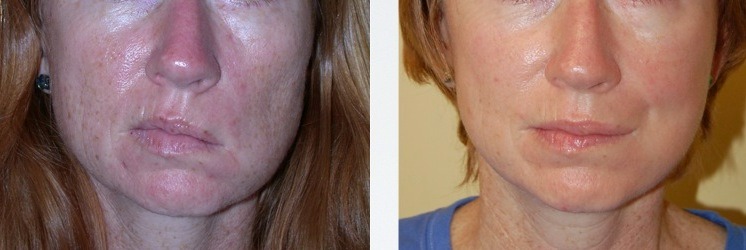
Expanded polytetrafluoroethylene (e-PTFE), known commercially as Gore-Tex, is a synthetic material that has also been used in a select group of patients by Dr. Azizzadeh at the Facial Paralysis Institute in Los Angeles, California. Gore-Tex also eliminates the need for harvesting from a second site. Gore-tex does carry a higher risk of infection albeit still extremely low.
Understanding the full range of Facial Paralysis Causes And Treatment options helps patients make informed decisions about their care.
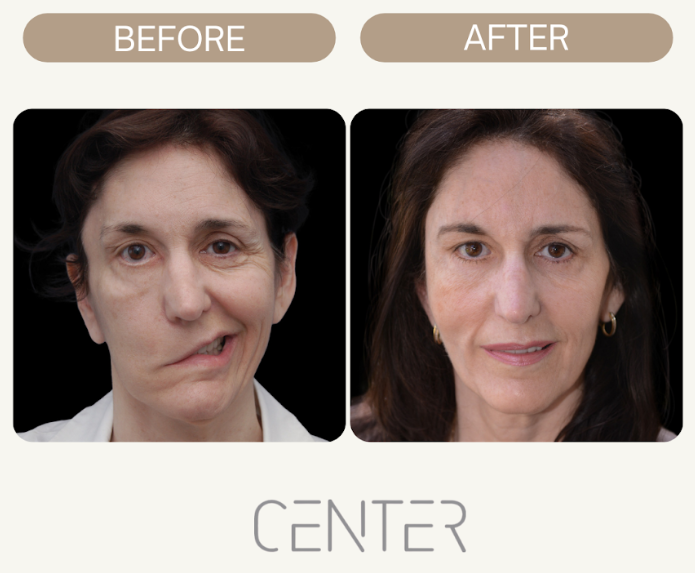
In a select group of patients, Dr. Azizzadeh has been utilizing a minimally invasive suture suspension technique for Static Sling for Facial Paralysis procedures with great outcomes as a substitute for more invasive procedure. The suture technique provides the perfect support for patients who have partial paralysis or Bell’s palsy while undergoing traditional facelift procedures. It can be done through endoscopic midface approach or a classic short-flap facelift life approach with the use of advanced endoscopic equipment. Permanent sutures are utilized to achieve the results. This Facial Paralysis Institute Static Sling procedure technique was the primary method by which Dr. Azizzadeh treated Mary Jo Buttafuoco on The Oprah Winfrey Show for her devastating facial paralysis. A multivector approach can be utilized to address different regions of the face and mouth.
Do You Qualify for a Static Sling Procedure?
Oftentimes, muscle and nerve transfer procedures are used to address facial paralysis. Or, for some facial paralysis patients, static suspension may prove to be a viable alternative to muscle and nerve transfers.
Candidates for static sling surgery typically include patients with long-standing facial paralysis, those who may not be suitable for dynamic reanimation procedures, or individuals seeking immediate improvement in facial symmetry. The procedure is particularly beneficial for patients whose health considerations make longer surgeries less advisable. A comprehensive overview of Facial Reanimation Treatment Options can help you understand where static sling fits within the broader treatment landscape.
Dr. Azizzadeh requires a patient consultation to determine if an individual qualifies for a static sling or any other facial paralysis procedure. During a consultation, Dr. Azizzadeh evaluates a patient and learns about his or her facial paralysis symptoms. He also reviews a patient’s medical history and examines the advantages and disadvantages of assorted facial paralysis procedures.
Following a patient consultation, Dr. Azizzadeh offers a personalized Static Sling for facial paralysis treatment recommendation. If Dr. Azizzadeh believes a Facial Paralysis Institute static sling procedure is the best treatment to address a patient’s facial paralysis symptoms, he next outlines all aspects of the procedure.
How to Prepare for a Static Sling Procedure
A static sling for Facial Paralysis procedure will require a patient to take time off from work or school. The procedure is performed at an outpatient surgery center and the patient can go home the same day as surgery. Meanwhile, a patient will need to take a couple of weeks to recover after a static sling procedure.
At your pre-op appointment, our surgical coordinator will explain in detail how to prepare for your surgery and what to expect during recovery.
How is a Static Sling Procedure Performed?
A static sling procedure is performed under general anesthetic, and it often requires about three hours to complete. During the procedure, Dr. Azizzadeh first removes fascia lata under the skin of a patient’s thigh. Dr. Azizzadeh next makes an incision in front of a patient’s ear and creates a pocket under the cheek’s skin. Then, Dr. Azizzadeh stitches the fascia lata into the proper position around the patient’s mouth. He finally stitches the incisions and places a headband around a patient’s face to limit swelling.
Modern techniques like those described in research on Static Facial Suspension Techniques continue to refine these approaches for better patient outcomes.
https://facialparalysisinstitute.com/blog/static-sling
What to Expect During the Static Sling Recovery Process
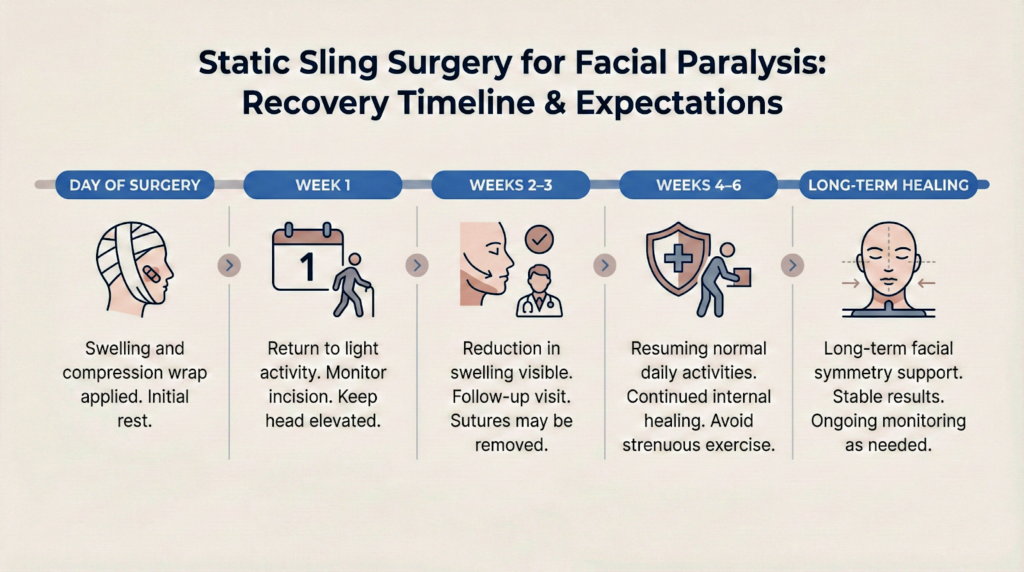
A static sling patient may experience minor pain and discomfort immediately after the surgery. Swelling in the cheek may occur, but this issue usually disappears on its own within about two weeks of surgery.
Typically, a static sling patient can walk around after surgery, but he or she should avoid strenuous physical activities for about six weeks following treatment. A patient may also receive a compression wrap that he or she can use to alleviate swelling during the recovery period.
In some instances, a static sling for Facial Paralysis patient receives a small drain that remains in place for about 24 hours following surgery. This drain prevents fluid build-up underneath the skin.
Dr. Azizzadeh teaches patients about the static sling recovery period prior to treatment. That way, static sling patients know exactly what to expect in the days and weeks after surgery.
Static Sling Risks
Potential complications associated with a static sling surgery include:
- Bleeding
- Facial asymmetry
- Scarring
- Infection
- Anesthesia issues
Dr. Azizzadeh explains the risks associated with static slings for Facial Paralysis procedures before he administers treatment. He helps patients analyze the potential complications associated with static sling surgery. Plus, Dr. Azizzadeh allocates the necessary time and resources to minimize static suspension procedure risks.
Patients dealing with various Facial Paralysis Conditions benefit from Dr. Azizzadeh’s individualized approach to risk management and surgical planning.
Why Choose Dr. Babak Azizzadeh for Your Static Sling Procedure
Dr. Babak Azizzadeh is a double board-certified facial plastic surgeon and one of the world’s leading experts in facial paralysis treatment. His expertise in static sling procedures spans decades, and he has helped countless patients regain facial symmetry and confidence. Dr. Azizzadeh’s approach combines technical precision with genuine compassion, ensuring each patient receives care tailored to their unique situation and goals.
One common intervention that complements static procedures is Facial Reanimation Surgery, which Dr. Azizzadeh frequently discusses with patients during their consultations.
Take the Next Step Toward Facial Symmetry
Living with facial paralysis affects every aspect of daily life, from how you eat to how you connect with others. You don’t have to navigate this alone. Dr. Azizzadeh and his team at the Facial Paralysis Institute are ready to discuss your options and create a personalized treatment plan.
Request a consultation today to learn how static sling surgery can help restore your facial symmetry and improve your quality of life.
Frequently Asked Questions About Static Sling Surgery
How long do static sling results last?
Static sling results can last for many years, though some patients may experience gradual stretching of the fascia over time due to gravity and natural aging. In cases where additional support is needed, a straightforward revision procedure can restore the desired lift.
Will I have visible scars after static sling surgery?
Dr. Azizzadeh uses advanced techniques and strategically placed incisions to minimize visible scarring. Most incisions are hidden within the hairline or natural facial creases, making them virtually undetectable once healed.
Can static sling surgery be combined with other facial paralysis treatments?
Yes. Static sling procedures are often performed alongside other treatments such as brow lifts, eyelid reconstruction, or Botox to achieve comprehensive facial balance. Dr. Azizzadeh will discuss combination options during your consultation.
Is static sling surgery right for me if I have Bell’s palsy?
Static sling may be appropriate for some Bell’s palsy patients, particularly those with residual facial weakness. However, treatment recommendations depend on individual factors. A consultation with Dr. Azizzadeh will determine the most suitable approach for your specific condition.
Request your consultation with Dr. Azizzadeh today
Call us at (310) 657-2203 to schedule an appointment.
Request your consultation with Dr. Azizzadeh today
Call us at (310) 657-2203 to schedule an appointment.
Schedule a Consultation