Dealing with facial paralysis can really change how you see yourself. It’s not just about how your face looks, but how you feel inside. This article looks at the journey of Self Acceptance and Facial Paralysis, exploring the ups and downs you might experience and how to move forward with more confidence.
Key Takeaways
- Facial paralysis can alter your self-image, making you feel different from the ‘ideal’ you envisaged, causing depression or anxiety.
- Face paralysis can lower self-esteem owing to how you feel about yourself and how others react.
- New communication methods like eye contact and gestures might help you feel understood and less alone.
- Social media can make you more self-conscious about your appearance and prevent you from enjoying social events.
- Being kind to yourself and accepting yourself helps you manage facial paralysis and gain confidence in relationships and daily life.
The Intricacies of Self-Perception in Facial Paralysis
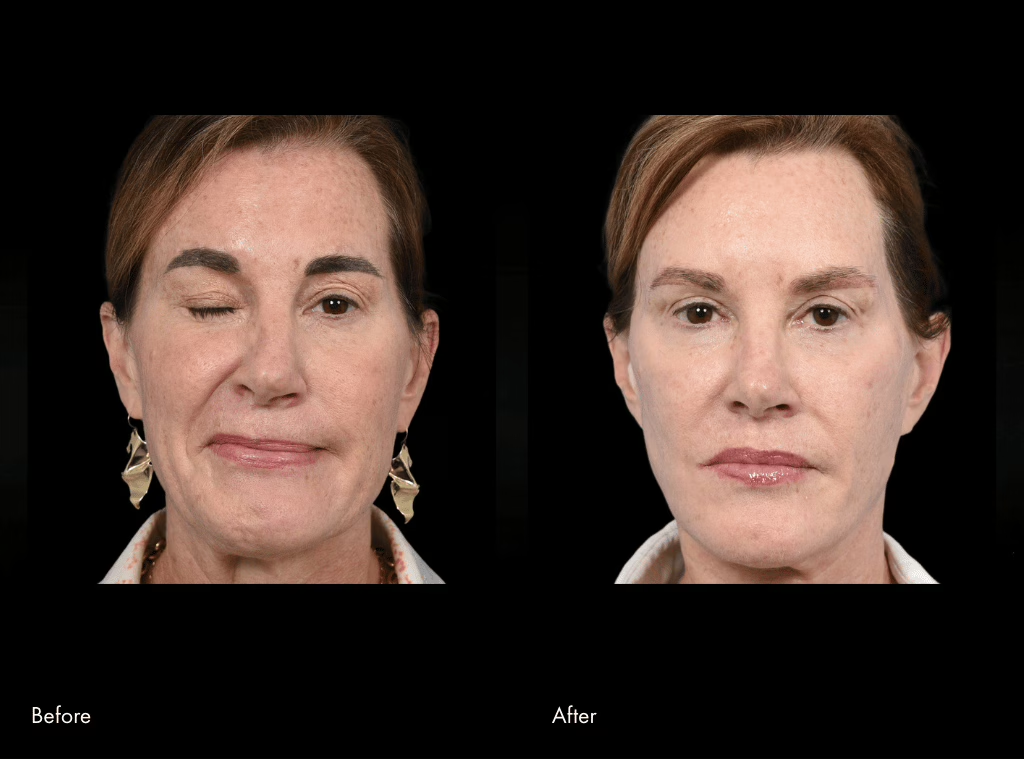
The experience of facial paralysis creates a significant disconnect between an individual’s self-perception and their ideal self-image. This condition can lead to constant comparisons with past appearances or an idealized version of oneself, resulting in feelings of dissonance and emotional turmoil. Facial paralysis can also disrupt one’s self-concept, affecting how emotions are expressed and perceived, which may lead to decreased mood and self-worth. Additionally, societal emphasis on facial appearance can exacerbate feelings of scrutiny and judgment, making social interactions challenging and potentially leading to a belief that one is less attractive or approachable. Overall, the impact of facial paralysis extends beyond physical appearance, deeply influencing emotional well-being and social perceptions.
Here’s a look at how some people report feeling:
- Feeling self-conscious about smiling or laughing.
- Worrying about how others perceive their expressions.
- Experiencing a decrease in confidence during conversations.
The way your face looks and moves is a big part of how you connect with others. When that changes, it’s natural to feel a bit lost or unsure of yourself. It takes time and effort to adjust to this new reality and to feel comfortable in your own skin again.
Uncommon Causes of Facial Paralysis – Infographic
Emotional Well-being and the Shadow of Facial Paralysis
Facial paralysis significantly affects physical appearance and emotional well-being, leading to anxiety and depression. Individuals face daily challenges in managing their appearance and societal perceptions, which can result in social withdrawal and isolation. This emotional toll impacts mood and quality of life, making it vital to address mental health in conjunction with physical rehabilitation for those affected by facial paralysis.
The Prevalence of Anxiety and Depression
It’s not uncommon to find yourself wrestling with feelings of anxiety or depression when you’re dealing with facial paralysis. This isn’t necessarily tied to how severe the paralysis is, either. Sometimes, just the daily effort of managing how you look and how others perceive you can take a toll. You might notice yourself feeling more worried or down than usual, and that’s a valid response to a significant life change. The constant awareness of how your face appears can cast a long shadow over your emotional state.
Social Withdrawal as a Coping Mechanism
When you’re feeling anxious, a natural instinct might be to pull back from social situations. It can feel easier to avoid the stares or the awkward questions. This withdrawal can offer some short-term relief, making you feel less exposed. However, over time, this can lead to a sense of isolation. It’s a tricky balance, trying to protect yourself while also staying connected to the people and activities you care about.
The Interplay of Mood and Quality of Life
Your mood and your overall quality of life are deeply connected. When you’re struggling with your emotional well-being, it’s hard for anything else to feel truly good. The inability to express emotions freely through your face, or the feeling that others misunderstand your expressions, can be incredibly draining. This can affect everything from your relationships to your ability to enjoy simple daily activities. It’s a cycle where low mood impacts your life, and the challenges of facial paralysis can, in turn, affect your mood.
Here’s a look at how these elements can intertwine:
| Factor | Potential Impact on Well-being |
| Reduced Affect Display | Misinterpretation of emotions, leading to social friction. |
| Social Withdrawal | Increased feelings of loneliness and disconnection. |
| Lowered Self-Esteem | Difficulty engaging in activities or pursuing personal goals. |
| Anxiety/Depression | Diminished enjoyment of life and reduced overall life satisfaction. |
It’s important to remember that these feelings are not a sign of weakness. They are a natural consequence of facing significant challenges. Seeking support, whether from friends, family, or professionals, can make a profound difference in how you experience these emotions and how they affect your daily life.
Bell’s Palsy Impact On Depression
Restoring Confidence Amidst Altered Facial Expression

Restoring confidence in the face of altered facial expressions involves overcoming the disconnect between inner emotions and outward appearance. Accepting this difference is a crucial step. Alternative communication strategies, such as using eye contact, gestures, and vocal tone, can help convey feelings more effectively. Empowerment stems from self-acceptance, focusing on unique facial characteristics while enhancing other communication skills. Simple facial exercises and embracing one’s authentic self can foster comfort and confidence, redirecting emphasis from perceived deficits to individual strengths.
Societal Perceptions and the Stigma of Facial Difference
Societal perceptions of individuals with facial differences, particularly those with facial paralysis, often lead to discomfort and stigma. Strangers may stare or make unkind comments, causing self-consciousness. Research indicates that observers tend to view such faces as less attractive and interpret negative emotions, despite the individual’s true feelings. This focus on differences creates social anxiety and distracts from genuine interaction. Additionally, many experience intrusive inquiries about their appearance, which can be draining and lead to the need for continual explanations. Understanding that these struggles are common can provide some relief.
Confronting Stigmatizing Behaviors
Dealing with stigma is a real challenge. This can range from subtle exclusion to outright unkindness. Children, especially, can face difficulties as they get older and their peers become more aware of differences. Adults might experience similar things at work or in social settings. It’s important to remember that you don’t have to face this alone. Educating others about facial palsy and finding support can make a big difference in how you cope. Connecting with others who understand can be incredibly helpful, and there are resources available to help you find support.
- Stigma can lead to social isolation.
- It’s important to educate others about facial palsy.
- Support groups can provide a sense of community.
The way society reacts to facial differences can significantly impact your self-image and willingness to engage socially. It’s a constant negotiation between wanting to be yourself and managing external perceptions.
Cultivating Self-Acceptance and Resilience
After facial paralysis, a lot of daily routines can start to feel heavier. You might catch yourself looking in the mirror, missing the way your face used to move, or noticing how people look at you differently. It’s common to feel shaken, but building self-acceptance and finding ways to bounce back is doable even if it takes time.
The Role of Self-Esteem in Daily Life
You might find that your self-esteem shifts, especially after living with facial paralysis for a while. It’s easy to compare your appearance to how things once were, or to the faces around you. These comparisons can bring down your mood and affect how you see yourself day-to-day. There’s no one fix for self-esteem, but small, regular efforts can help:
- Remind yourself that you are more than just your appearance.
- Write down what makes you proud outside of looks or speech.
- Talk openly with friends or a counselor about your feelings.
- Explore resources on stress management—sometimes, simple techniques like breathing exercises found through relaxation and cognitive behavioral strategies can make a real difference.
Building Confidence in Social Interactions
You might feel nervous entering a room or meeting new people. These feelings are normal, but there are ways to stretch your comfort zone and rebuild confidence:
- Start with familiar faces practice talking and expressing yourself around people who know your story.
- Give yourself time to prepare for big events or introductions.
- Remember, most social discomfort fades as conversations go on.
- If you face intrusive questions, it can help to have short responses ready so you keep control of what you share.
The Journey Towards Self-Compassion
Building self-acceptance is a gradual journey with progress and setbacks. Allowing yourself to feel and process emotions is crucial. Embracing your current self does not negate the possibility of improvement; rather, it fosters recognition of personal needs and achievements. Consistent self-support leads to gradual positive changes in how you navigate life and perceive your role in it.
Understanding Facial Paralysis Rehabilitation
The Influence of Digital Realities on Self-Image
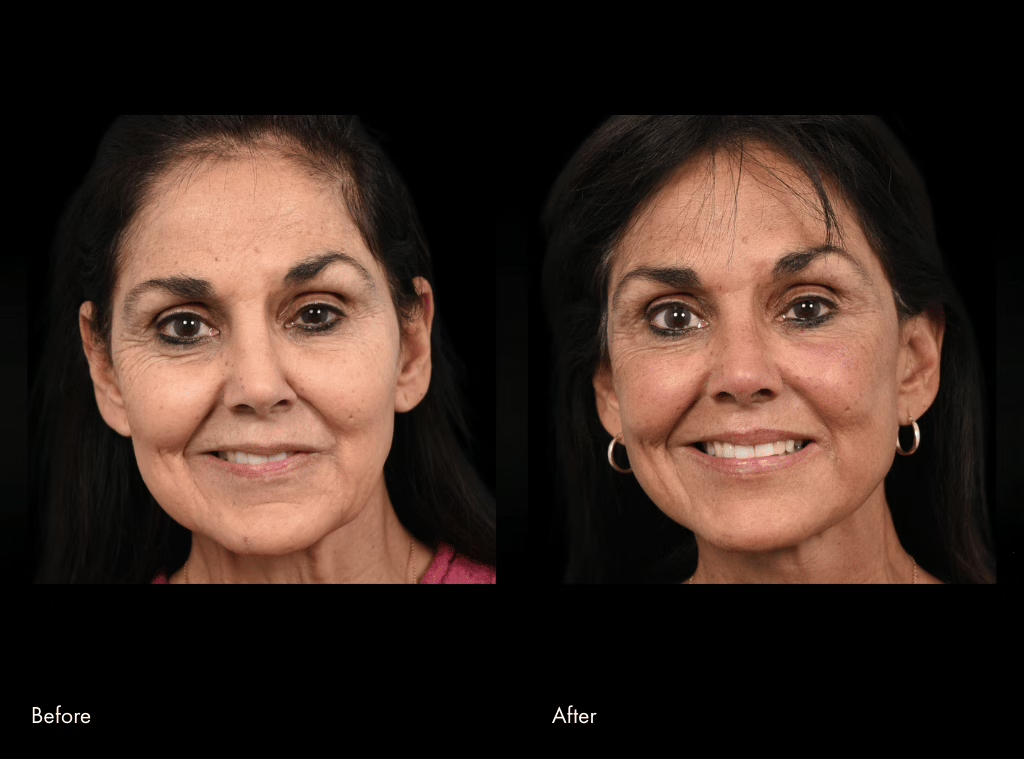
The impact of online representations on self-image has become increasingly significant, particularly for individuals facing challenges such as facial paralysis. The pressure to conform to societal beauty standards, often amplified by social media, can lead to feelings of inadequacy and self-doubt. As users scroll through curated feeds filled with flawless images, the contrast between these idealized portrayals and their own realities can create a heightened awareness of perceived imperfections. This phenomenon not only affects self-esteem but also shapes personal expectations of beauty, making it essential to explore the complex relationship between digital realities and self-perception.
Balancing Authenticity with Self-Consciousness
Trying to capture a moment for social media when you have facial paralysis can be a real balancing act. You want to share your life and connect with others, but there’s that nagging self-consciousness about how you’ll appear in photos. Do you try to hide the affected side? Do you avoid photos altogether? It’s a tricky line to walk. Sometimes, the effort to look ‘normal’ in a photo can stop you from truly enjoying the moment. You might find yourself constantly thinking about your expression, which takes away from the actual experience. This internal conflict can be exhausting, making you feel less present in your own life.
The Impact on Social Engagement
This digital pressure can negatively impact real-world interactions, causing individuals to hesitate in social situations due to fear of unflattering images online. This leads to self-imposed isolation and limits opportunities for genuine connection. Many struggle with self-image in the digital realm, highlighting the importance of exploring resources on managing online presence and self-esteem, such as those from the Oxford Facial Palsy Unit Psychological Interventions.
Here are some common digital pressures you might face:
- The ‘perfect selfie’ expectation: Feeling like every photo needs to be flawless.
- Comparison trap: Constantly measuring your appearance against others online.
- Fear of judgment: Worrying about how others will perceive your facial expression in photos.
- Missed moments: Avoiding photos or social events due to self-consciousness.
The digital world often presents a distorted mirror, reflecting an unattainable ideal that can amplify existing insecurities. It’s a space where the curated often overshadows the authentic, making the journey of self-acceptance even more complex.
Online spaces and digital tools really change how we see ourselves. It’s easy to compare ourselves to others online, which can affect how we feel about our own looks and who we are. This constant digital exposure can shape our self-image in powerful ways. Want to learn more about how to feel confident in your own skin, both online and off? Visit our website for helpful tips and resources.
Moving Forward with Self-Acceptance
It’s clear that living with facial paralysis brings its own set of challenges, affecting how you see yourself and how others might interact with you. You might feel a shift in your confidence or find yourself withdrawing sometimes, and that’s completely understandable. Remember, though, that your worth isn’t tied to the symmetry of your face. Many people find strength in connecting with others who share similar experiences, learning to communicate in new ways, and focusing on their inner qualities. Embracing self-compassion and recognizing your own resilience can truly help you navigate these feelings and build a stronger sense of self, allowing you to live a fuller, more connected life.
Request your consultation with Dr. Azizzadeh today
Call us at (310) 657-2203 to schedule an appointment.
Schedule a Consultation