Facial paralysis is more than a physical condition. It reshapes how a person sees themselves, how they connect with others, and how they move through the world. For those living with it, one question matters most: can the facial nerve actually be repaired? The answer, in many cases, is yes. Advances in facial nerve surgery, nerve graft procedures, and regeneration techniques have opened real pathways to recovery for patients who once had very limited options. Understanding what treatments exist, and when they apply, is the most important first step a patient can take.
Key Takeaways
- The facial nerve can often be repaired depending on the cause, severity, and duration of the damage.
- Surgical options for facial nerve repair include direct reconnection, facial nerve graft surgery, and nerve transfer procedures.
- Facial nerve regeneration after surgery can take one to two years or longer.
- Bell’s palsy, acoustic neuroma, trauma, and surgical complications are among the most common causes of facial nerve injury.
- Dr. Azizzadeh and his team at the Facial Paralysis Institute develop individualized treatment plans tailored to every patient.
Understanding Facial Nerve Damage
The facial nerve, known medically as the seventh cranial nerve, controls nearly every muscle involved in facial expression. When it is damaged, paralysis or weakness can make smiling, blinking, and speaking comfortably feel impossible. The impact reaches far beyond the physical, touching self-confidence, relationships, and overall quality of life.
Damage can arise from many sources. Bell’s palsy is one of the most recognized causes, documented by the National Institute of Neurological Disorders and Stroke as a condition that directly disrupts the nerve controlling facial movement. Acoustic neuromas, head or neck trauma, viral infections, and surgical complications can also injure the nerve. The severity of the damage and how quickly a patient seeks specialized care are among the most influential factors in what treatment options remain available.
Can the Facial Nerve Be Repaired?
Yes, in many situations the facial nerve can be repaired. The likelihood of success depends on the type and location of the injury, how long the nerve has been affected, and whether the surrounding facial muscles still retain viable function.
When the nerve has been compressed or inflamed, as is common in Bell’s palsy, natural recovery is possible with appropriate medical support. When the nerve is structurally damaged or severed, surgery becomes necessary. Jane, a patient at the Facial Paralysis Institute, developed facial paralysis after acoustic neuroma surgery and spent years without meaningful answers before finally finding the right care. Her full facial paralysis story reflects what so many patients experience and what becomes possible when the right specialist is involved.
Facial Nerve Repair and Surgical Treatment Options
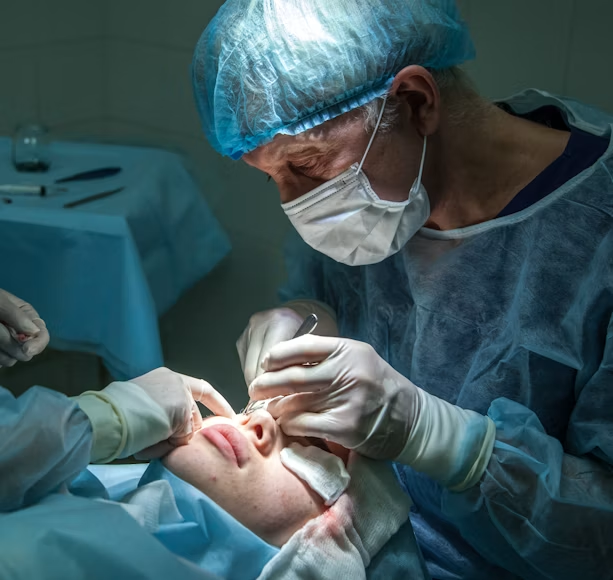
When surgery is appropriate, specialists rely on several well-established techniques, each matched carefully to the patient’s specific injury.
Direct Nerve Repair
Direct repair, also known as neurorrhaphy, is the preferred approach when the nerve has been sharply divided and the two ends can be rejoined without tension. Under operating microscope magnification, ultra-fine sutures reconnect the nerve ends with precision. Once repaired, nerve fibers begin to regenerate at approximately 1 millimeter per day, a gradual process that reflects the body working steadily to restore itself.
Facial Nerve Graft Surgery
When a gap between the damaged nerve ends makes direct repair impossible, facial nerve graft surgery uses donor nerve tissue harvested from elsewhere in the patient’s body to bridge that distance. The graft acts as a scaffold, guiding regenerating fibers toward the facial muscles. Processed nerve allografts are also emerging as a strong alternative, with clinical research actively evaluating augmentation strategies that may further improve regeneration outcomes in appropriate candidates.
Nerve Transfer
For patients with long-standing paralysis where the original nerve can no longer serve as a viable pathway, a nerve transfer redirects a functioning nearby nerve to reanimate paralyzed facial muscles. This approach can restore meaningful movement even years after the initial injury and offers hope to patients who may have believed their window for recovery had closed.
If you are wondering whether facial nerve repair is right for your situation, the team at the Facial Paralysis Institute is ready to provide answers. Schedule a consultation to begin building a treatment plan designed specifically for you.
What to Expect During Facial Nerve Regeneration
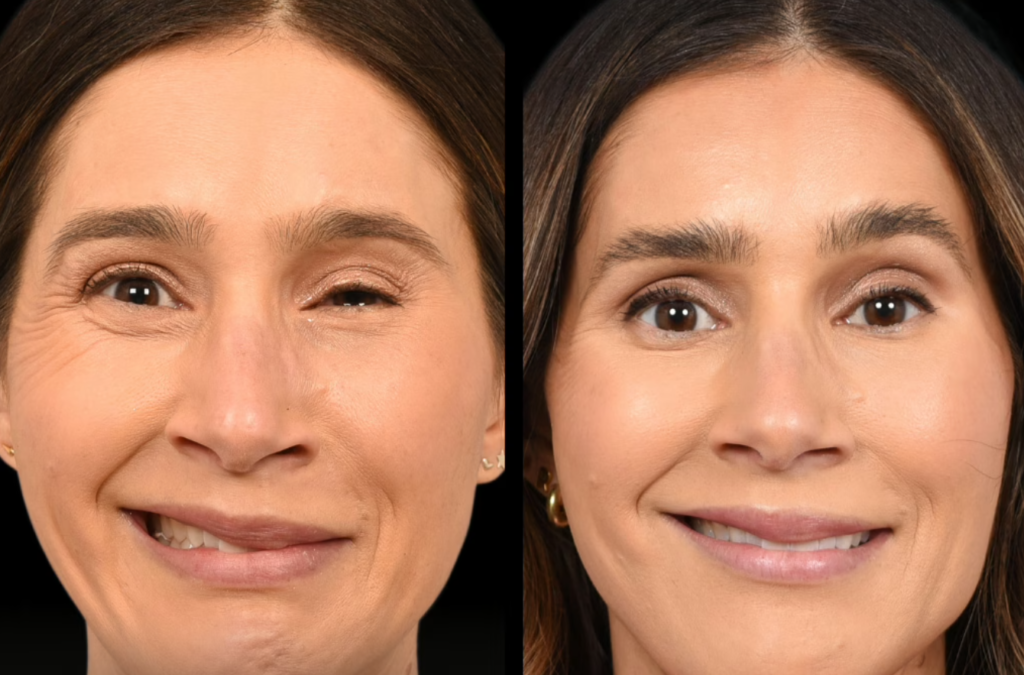
Recovering from facial nerve surgery requires patience above all else. Most patients begin noticing early signs of returning movement within several months, but full results often take one to two years or longer depending on the extent of the injury and when treatment began. Physical therapy and neuromuscular retraining are essential during this period, helping guide recovering muscles toward coordinated, natural expression.
The emotional weight of this process is equally real. Many patients describe the waiting period as isolating and uncertain. For those who have already undergone surgery, regaining confidence after facial paralysis surgery is a journey that extends well beyond the operating room and one that calls for both clinical expertise and genuine compassion from an experienced care team.
Expert Care at the Facial Paralysis Institute
Facial nerve repair is not a standard procedure that follows a single protocol. Every patient presents differently, and effective treatment demands a thorough evaluation of the nerve, the patient’s health history, and the goals they want to achieve. Dr. Babak Azizzadeh, a globally recognized expert in facial nerve surgery and facial paralysis treatment, brings decades of specialized experience to every consultation. His approach pairs surgical precision with a genuine understanding of how profoundly this condition affects a person’s daily life.
At the Facial Paralysis Institute, each plan is built around the individual. Surgical and non-surgical strategies are often combined to achieve the most natural outcome possible. Patients managing Bell’s palsy can find dedicated guidance through the Institute’s Bell’s palsy treatment resources, while those seeking a full picture of care options can reference the management of facial nerve palsy page.
Conclusion
Facial nerve damage is serious, but it does not have to be permanent. With the right specialist, the right timing, and the right approach, meaningful recovery through facial nerve repair, graft surgery, or nerve transfer is within reach for many patients. The most important step is seeking expert care while options are still available.
You deserve care that sees you as a whole person. Contact the Facial Paralysis Institute to schedule your consultation with Dr. Azizzadeh and take the first step toward reclaiming your smile.
Frequently Asked Questions
Can a damaged facial nerve heal on its own? In some cases, yes. Bell’s palsy often involves compression or inflammation rather than structural damage, and natural recovery is common with proper medical support. When the nerve has been severed or significantly injured, surgical repair is typically required to restore function.
How long does facial nerve regeneration take after surgery? Most patients begin noticing early signs of movement within a few months after surgery. Full recovery often takes one to two years or longer. Both the timing of intervention and the extent of the original injury influence how quickly progress occurs.
What is facial nerve graft surgery? It is a procedure in which donor nerve tissue bridges the gap between the two damaged ends of the facial nerve, providing a scaffold that guides regenerating fibers toward the facial muscles to restore movement over time.
How do I know if I am a candidate for facial nerve repair? The most reliable way is a comprehensive evaluation with a facial nerve specialist. The cause of paralysis, how long the condition has been present, and the current state of the facial muscles all determine which treatment options are most appropriate for each individual patient.
Can physical therapy support recovery after facial nerve surgery? Yes. Physical therapy and neuromuscular retraining are key components of recovery following surgery and in some non-surgical situations as well. A trained therapist helps patients rebuild coordination and address complications such as synkinesis that can develop during nerve regeneration.
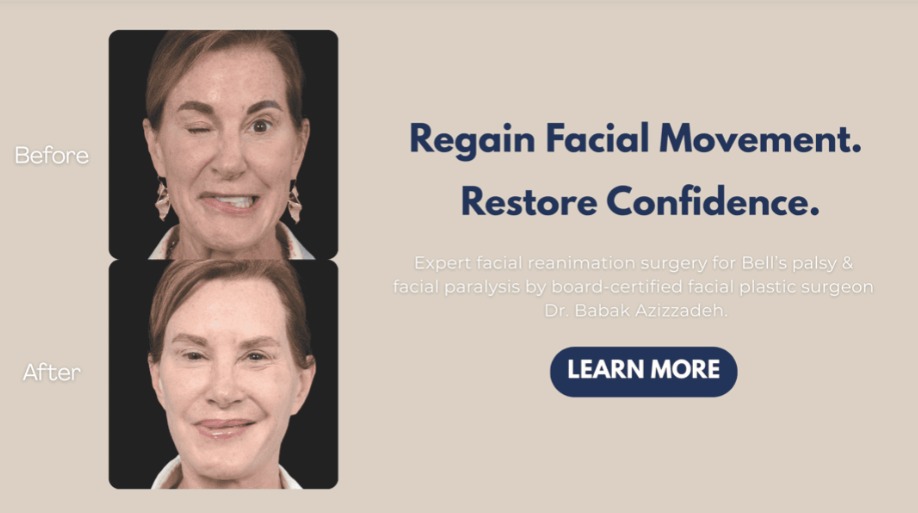
Request your consultation with Dr. Azizzadeh today
Call us at (310) 657-2203 to schedule an appointment.
Schedule a Consultation