
When your face stops responding the way it should, the fear that follows is immediate and deeply personal. Every conversation, every attempt at a smile, becomes a reminder that something has changed. Two conditions often confused because of overlapping symptoms are myasthenia gravis and Bell’s palsy. While they can look alike on the surface, they are fundamentally different in how they develop, which structures they affect, and how they are treated. Getting that distinction right is the foundation of meaningful recovery.
Key Takeaways
- Bell’s palsy is caused by inflammation of the facial nerve, typically triggered by a viral infection.
- Myasthenia gravis is an autoimmune condition that disrupts the signal between nerves and muscles, not the nerve itself.
- Bell’s palsy almost always affects one side of the face; myasthenia gravis can affect both sides and other muscle groups.
- The facial nerve can be repaired through medical and surgical treatments depending on the severity of the damage.
- Early diagnosis and expert care significantly improve long-term outcomes for both conditions.
What Is Bell’s Palsy?
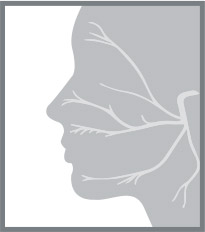
Bell’s palsy is a sudden onset of weakness or paralysis on one side of the face caused by inflammation of the seventh cranial nerve, known as the facial nerve. In most cases, a viral trigger such as herpes simplex virus causes the nerve to swell and become compressed within its narrow bony canal. A peer-reviewed study on Bell’s palsy description, diagnosis, and current management confirms it is one of the most common presentations of acute facial nerve palsy seen in clinical settings.
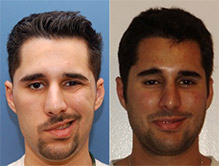
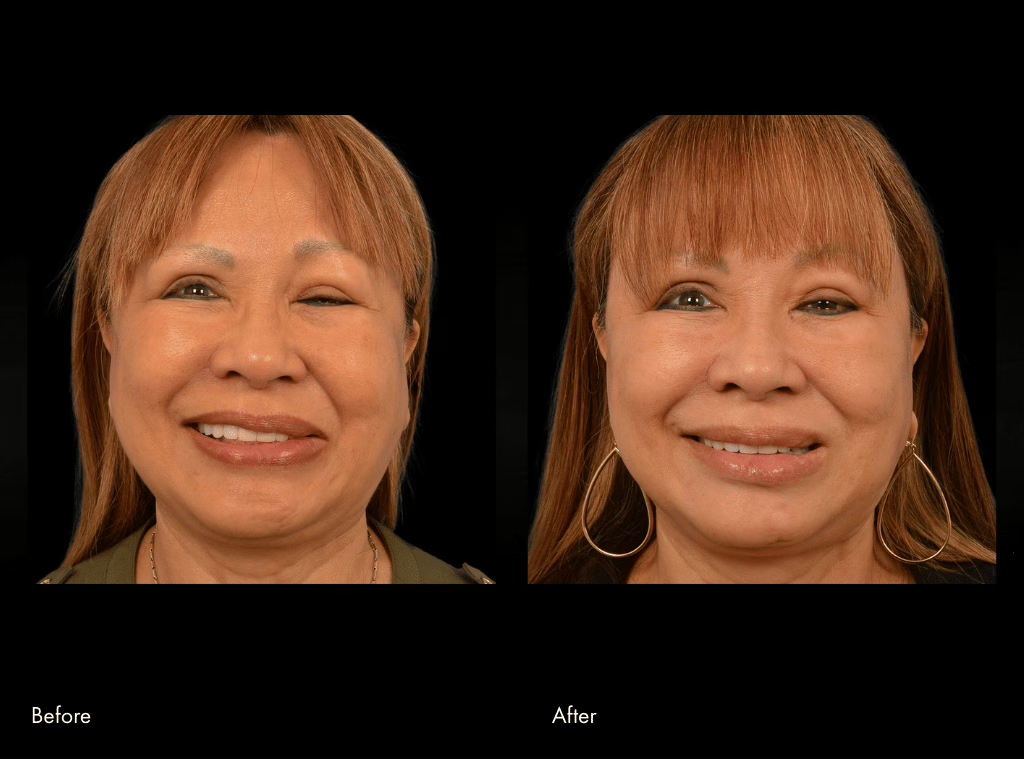
Patients typically notice drooping of the mouth, inability to close the eye on the affected side, changes in taste, and increased sensitivity to sound. Most people recover significantly within three to six months with prompt treatment, though a portion experience lasting nerve injury requiring more advanced intervention. While Bell’s palsy most commonly affects adults, facial palsy in younger patients requires a specialized, age-sensitive approach that accounts for a child’s unique anatomy and developmental needs.
What Is Myasthenia Gravis?
Myasthenia gravis is a chronic autoimmune disorder in which the body produces antibodies that block acetylcholine receptors at the neuromuscular junction. The message your brain sends to contract a muscle gets intercepted before the muscle can receive it. Published research on the mechanisms behind myasthenia gravis shows this disruption occurs at the junction between the nerve terminal and the muscle fiber, leaving the facial nerve structurally intact.
Facial involvement often presents as drooping of one or both eyelids, double vision, and in more advanced cases, weakness of the muscles responsible for chewing and speaking. Unlike Bell’s palsy, symptoms tend to fluctuate throughout the day, worsening with activity and improving with rest. That fluctuating pattern is one of the clearest clinical clues for a specialist. Patients evaluating their options will find that available myasthenia gravis treatment approaches range from medications and intravenous therapies to surgical intervention, depending on severity.
Key Differences at a Glance
These two conditions may share surface-level similarities, but the distinctions are clinically significant.
- Cause: Bell’s palsy involves direct nerve inflammation; myasthenia gravis involves an autoimmune attack on the neuromuscular junction.
- Onset: Bell’s palsy is sudden; myasthenia gravis develops gradually and fluctuates.
- Symmetry: Bell’s palsy affects one side; myasthenia gravis can affect both sides of the face.
- Nerve integrity: In Bell’s palsy, the nerve is injured; in myasthenia gravis, the nerve itself remains intact.
- Scope of involvement: Myasthenia gravis can affect the limbs and respiratory muscles, while Bell’s palsy is limited to the face.
Can the Facial Nerve Be Repaired?
For patients whose Bell’s palsy has caused significant or prolonged nerve injury, this becomes the most pressing question, and the answer is yes. Facial nerve damage treatment begins with corticosteroids and antiviral medications, which reduce swelling and give the nerve its best opportunity for natural recovery. When damage is more severe, facial nerve surgery becomes the appropriate path forward. Procedures including facial nerve graft surgery, nerve decompression, and nerve transfer can restore meaningful movement and natural expression. Recent clinical research on facial nerve regeneration supports the finding that outcomes improve substantially when specialized intervention occurs early, before permanent changes take hold.
If you are experiencing facial weakness and unsure whether it stems from nerve damage or a neuromuscular condition, a thorough specialist evaluation is the most important thing you can do. Schedule a consultation with the Facial Paralysis Institute to receive an expert assessment and a personalized facial paralysis treatment plan.
What Recovery Can Look Like
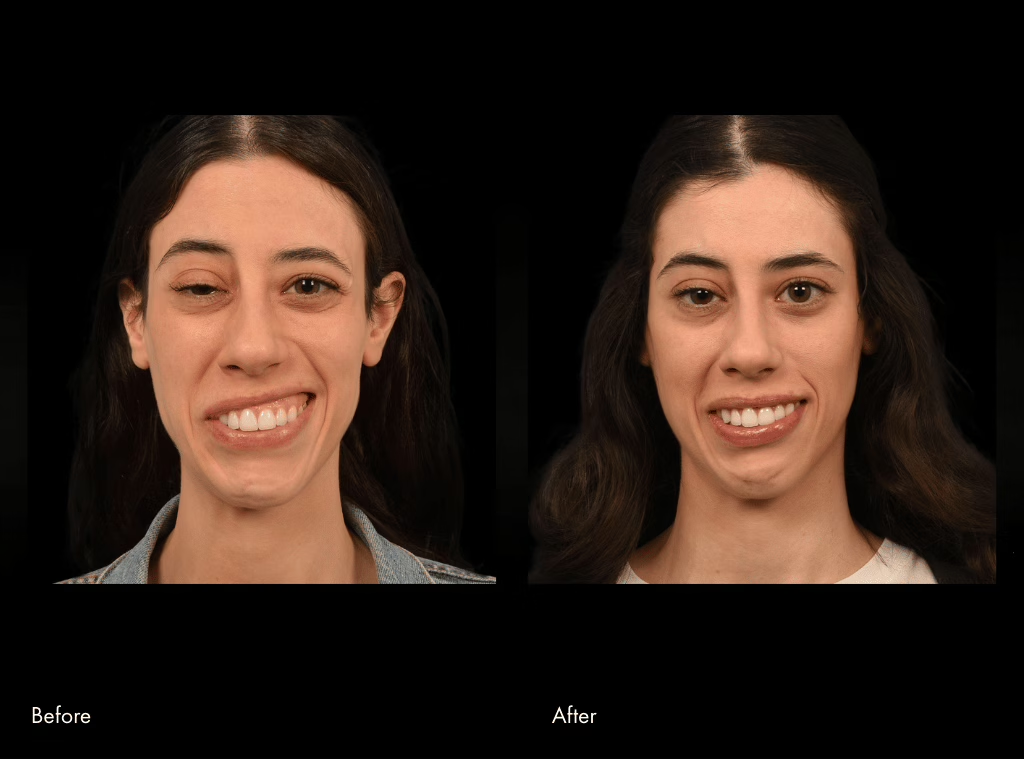
Recovery is rarely linear, but for the right patient with the right care, it can be genuinely transformative. Patients like Jane, whose journey through facial paralysis following acoustic neuroma surgery led her to expert reconstructive care, show what is possible when a patient finds a team that understands both the clinical and emotional dimensions of this experience.
For Bell’s palsy patients who undergo timely facial nerve surgery, outcomes often include the return of symmetrical expression, full eyelid closure, and renewed confidence in social settings. The process of regaining confidence after facial paralysis surgery is one that many patients describe as the true turning point in their healing.
When you are ready to take the next step, Dr. Babak Azizzadeh and the team at the Facial Paralysis Institute are here to guide you. Contact the Facial Paralysis Institute to speak with a specialist who has dedicated his career to restoring facial function and confidence.
Conclusion
Myasthenia gravis and Bell’s palsy are distinct conditions that require fundamentally different expertise and treatment strategies. Understanding which one you are facing is not a minor detail; it is everything. Whether the path forward involves facial nerve repair, neuromuscular management, or reconstructive surgery, specialized care is the variable that changes outcomes. The right diagnosis, pursued early, opens the door to the most effective treatment and the highest quality of recovery.
Frequently Asked Questions
Can myasthenia gravis be mistaken for Bell’s palsy?
Yes. Both conditions can present with eyelid drooping and facial weakness. A specialist typically uses antibody blood tests, nerve conduction studies, and a detailed clinical evaluation to distinguish between them accurately.
Is it possible for the facial nerve to fully recover after Bell’s palsy?
Many patients experience full recovery, particularly when treatment begins within the first 72 hours. For those with more severe nerve damage, facial nerve graft surgery and nerve decompression procedures can restore significant function and expression.
Does myasthenia gravis damage the facial nerve directly?
No. In myasthenia gravis, the facial nerve remains structurally intact. The problem occurs at the neuromuscular junction, where the nerve’s signal fails to reach the muscle properly due to antibody interference.
How long does facial nerve repair take?
Recovery timelines depend on the extent of the injury and the type of procedure performed. Patients with moderate damage may notice improvement within months, while complex surgical cases can require a year or longer for full results.
Who should I see for facial weakness from either condition?
A facial plastic and reconstructive surgeon with specialized expertise in facial nerve disorders is the ideal starting point for anyone experiencing facial weakness, whether from Bell’s palsy, myasthenia gravis, or another cause.

Request your consultation with Dr. Azizzadeh today
Call us at (310) 657-2203 to schedule an appointment.
Schedule a Consultation