Transconjunctival Blepharoplasty – What Is It?
Transconjunctival blepharoplasty is a modern, minimally invasive eyelid surgery technique that’s becoming increasingly popular for its subtle results and quick recovery. Unlike traditional methods, which involve making an incision along the eyelid’s natural crease, this approach is performed from inside the eyelid, leaving no external scars. It is highly effective for addressing puffiness or bags […]
Read moreUnderstanding Congenital Facial Nerve Paralysis in Children
Congenital facial nerve paralysis is a condition that can affect a child starting at birth, and its impact can be significant. It not only presents with physical symptoms but also carries emotional and psychological consequences. Kids can experience physical side effects due to congenital facial nerve palsy, along with emotional issues that can affect their […]
Read more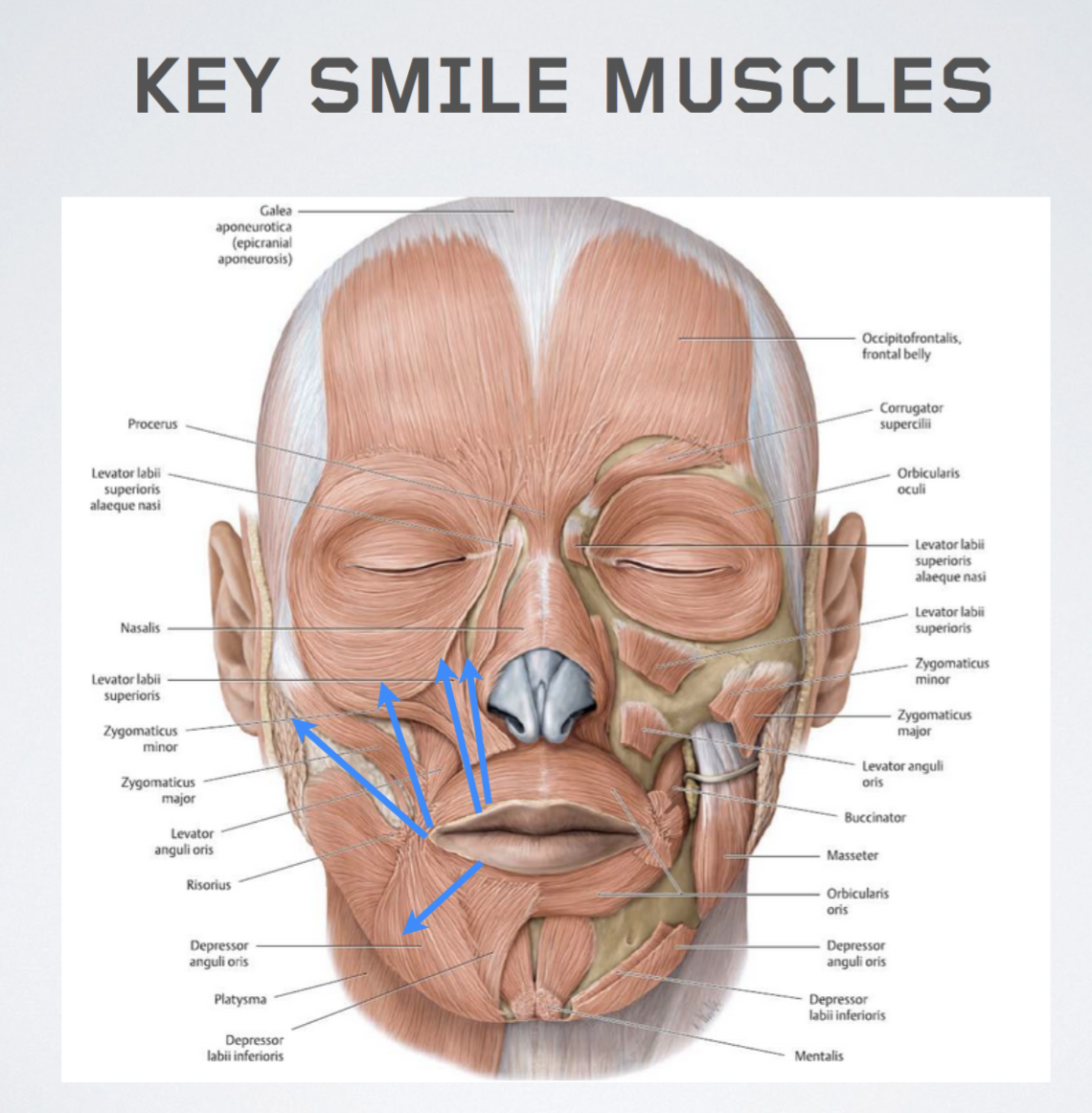
The Anatomy of a Smile and Facial Synkinesis
Diagram of Facial Synkinesis Take a look at the diagram below to learn about how facial synkinesis can affect key smile muscles: The anatomy of facial expression is complex. But, Dr. Babak Azizzadeh of The Facial Paralysis Institute offers insights into facial muscle anatomy. That way, individuals can learn about facial synkinesis and other facial […]
Read moreUnderstanding Facial Paralysis Rehabilitation
According to a recently published study performed by the Department of Otolaryngology – Head and Neck Surgery at Stanford University School of Medicine, hypoglossal-facial nerve anastomosis can help reanimate the face in patients with complete nuclear facial nerve palsy.
Read moreHypoglossal-Facial Nerve Transfer
In patients with long-term facial paralysis who are older than 55, cross-facial nerve grafts have not produced great results. Dr. Babak Azizzadeh, a world-renowned facial plastic and reconstructive surgeon, takes an alternative approach to treat long-term facial paralysis in these patients. He utilizes the hypoglossal nerve or trigeminal nerve as the neural supply for the […]
Read moreWhat to Expect from Neuromuscular Retraining for Synkinesis
Synkinesis refers to simultaneous facial movement that happens after a patient experiences Bell’s palsy. Or, synkinesis can occur after a patient undergoes a surgical procedure in which the facial nerve was previously cut and reconnected. In this instance, facial nerve wires can be linked to the incorrect nerve group, leading to unwanted facial muscle movement […]
Read moreHow Can Lyme Disease Cause Facial Paralysis
How Can Lyme Disease Cause Facial Paralysis There is a direct correlation between Lyme disease and facial paralysis, and people coping with Lyme disease can experience Bell’s palsy and other forms of facial paralysis. But, with proper diagnosis and treatment of Lyme disease and facial paralysis, patients can safely and effectively address both conditions at […]
Read more
This Neurological Disorder Is the Leading Cause of Facial Paralysis
Bell’s Palsy Is The Leading Cause of Facial Paralysis Bell’s Palsy: One of the Leading Facial Paralysis Causes Bell’s palsy is a neurological disorder that can lead to facial paralysis or weakness on one side of the face. It is also one of the primary facial paralysis causes in the United States. What Causes Facial […]
Read more
What Is Bell’s Palsy? Here’s Everything You Need to Know
Bell’s palsy is a leading cause of facial paralysis in the United States. Its exact cause is unknown, and the condition can cause symptoms that range in terms of severity. Fortunately, the symptoms of Bell’s palsy typically disappear on their own. And, in these instances, patients do not experience any long-lasting side effects. Dr. Babak […]
Read moreWhat Do You Do If You Wake Up With Facial Paralysis? (Infographic)
Waking up with one side of your face drooping and numb can be very scary. It is important to go to the emergency room or your primary care physician to have a comprehensive physical examination focusing on neurological, ear and head &neck region. An MRI and/or CT scan may be necessary to help figure out the reason for the paralysis right away. If no specific cause is discovered, there is a good chance you have Bell’s Palsy and your doctor should prescribe anti-viral and steroid medications.
Read more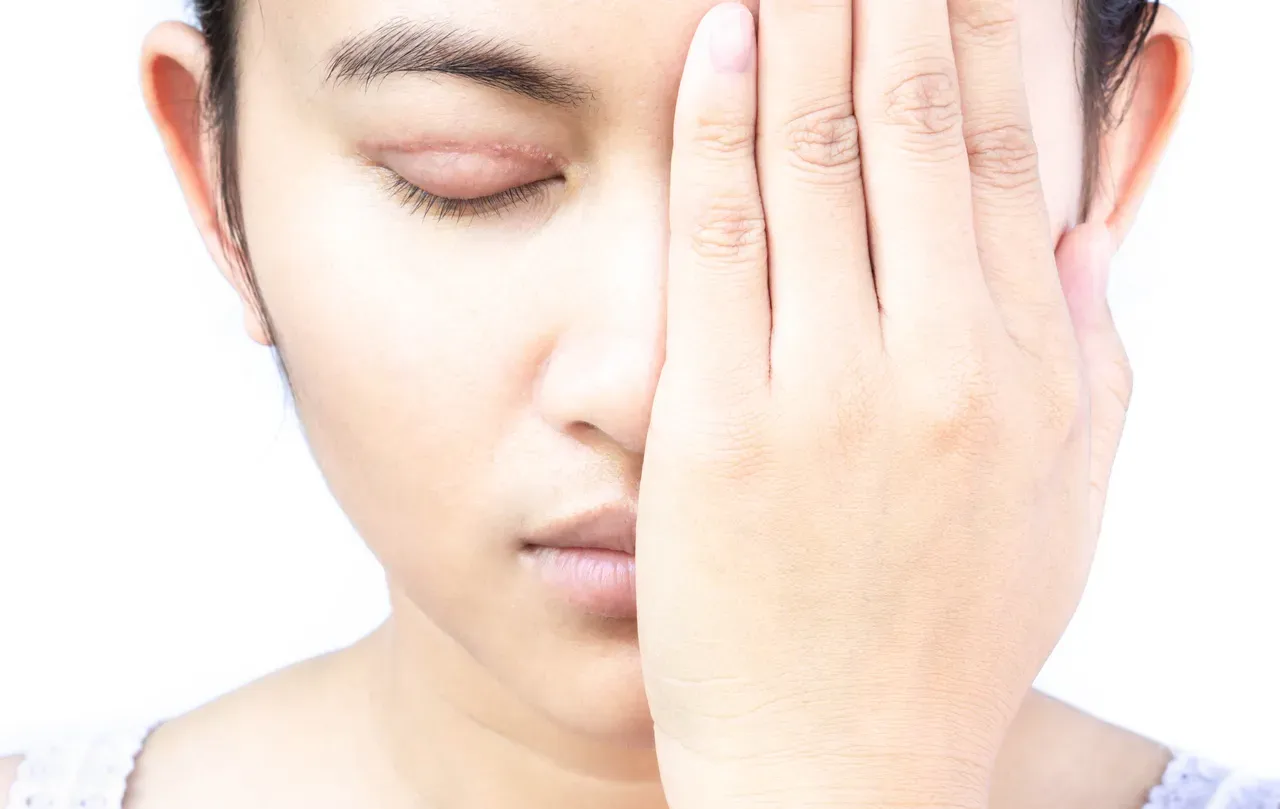
Everything You Need to Know About Lagophthalmos
Lagophthalmos is a medical condition that can make it difficult to fully close the eyes. If left unaddressed, lagophthalmos can leave the eyes vulnerable to serious damage. Or, the condition may indicate that other eye problems are present. Lagophthalmos Definition Lagophthalmos is commonly associated with incomplete eye closure when blinking or sleeping. The condition can […]
Read more
Can You Get Bell’s Palsy While Pregnant?
Bell’s palsy is a medical condition that causes paralysis or weakness on one side of the face. It is the most common form of facial paralysis during pregnancy. Getting Bell’s palsy while pregnant can be stressful. Bell’s palsy can affect a pregnant woman and her unborn child and must be treated properly. Fortunately, treatment options […]
Read more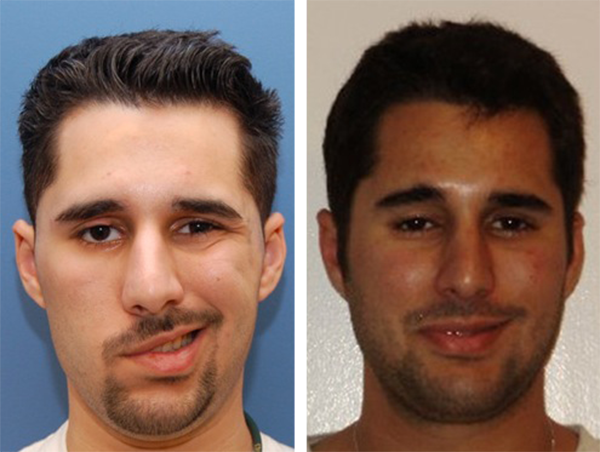
Bell’s Palsy vs Facial Palsy – What You Should know
Losing movement in the facial muscles can be completely devastating for a person. Not only does this present a physical distress as the person can lose the ability to smile, frown, or make any complete facial movements, but it also takes a toll on a person’s mental state. Though they occur for different reasons, both facial paralysis and Bell’s Palsy bring permanent or temporary facial paralysis to its sufferers and should always be treated by an experienced surgeon.
Read moreIs Laser Acupuncture Effective for Facial Paralysis?
Laser acupuncture is commonly viewed as a pain-free alternative to traditional acupuncture. It can help patients dealing with a variety of medical conditions, including facial paralysis and Bell’s palsy. At The Facial Paralysis Institute, Dr. Babak Azizzadeh is committed to exploring revolutionary treatment , including effective acupuncture laser treatment for facial paralysis, options to help […]
Read more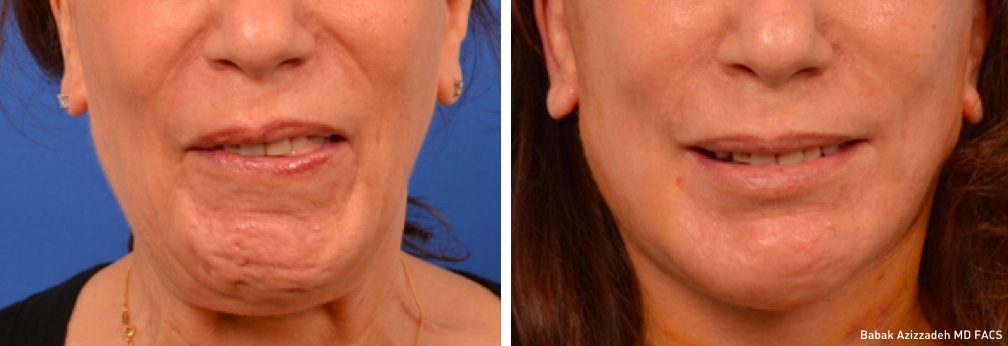
What Is Ramsay Hunt Syndrome?
Ramsay Hunt Syndrome is a condition that affects the facial nerve and associated structures, which can lead to hearing loss, a blister-like rash, and facial paralysis.
Read more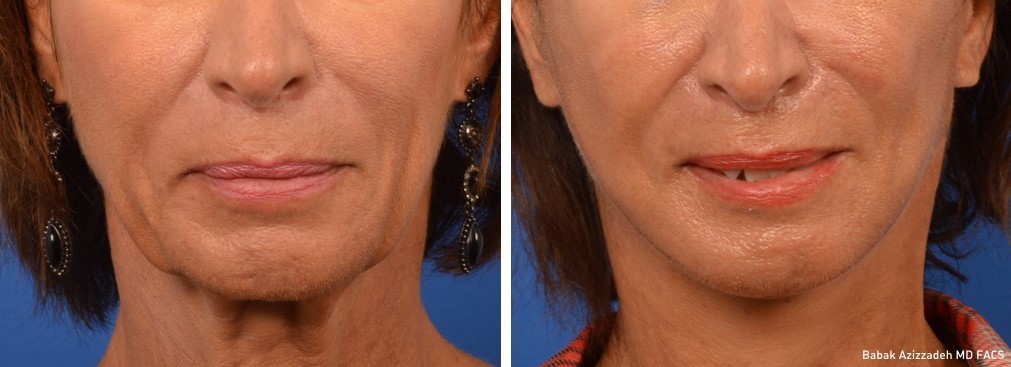
Living with Moebius Syndrome: What You Need to Know
Facial Paralysis can be devastating for people of any age, but especially for young children. Moebius syndrome is a rare congenital disorder that causes facial paralysis that can be apparent as early as birth.
Read moreFacial Paralysis Synkinesis: Understanding Symptoms, Diagnosis and Treatment
Facial paralysis synkinesis refers to the “simultaneous movement” that occurs after Bell’s palsy or instances where the facial nerve has been cut and sewn back together. In patients who previously dealt with Bell’s palsy, the facial nerve fibers may be implanted into different muscles and can inadvertently cause unwanted and involuntary movement of the facial […]
Read more
A Link Between the COVID-19 Vaccine and Bell’s Palsy
Coronavirus (COVID-19) vaccine distribution is underway. Yet, as COVID-19 vaccine distribution continues, medical professionals will watch closely to determine the vaccine’s efficacy and safety in real world settings. Clinical trials were used to evaluate the vaccine’s effectiveness in mitigating COVID-19 symptoms. However, there may be issues that crop up as the vaccine becomes generally available […]
Read more
Uncommon Causes of Facial Paralysis – Infographic
Uncommon Causes of Facial Paralysis In rare instances, facial paralysis may occur due to any of the following reasons: 1. Lyme Disease According to UT Southwestern Medical Center, roughly 11% of patients diagnosed with Lyme disease experience facial paralysis symptoms. Additionally, in a study published in Canadian Family Physician, researchers found that idiopathic Bell’s palsy […]
Read more
Bell’s Palsy vs. Stroke: What You Need to Know
Bell’s Palsy vs. Stroke: What You Need to Know Facial paralysis may be related to Bell’s palsy or a stroke. But, it is important to note that Bell’s palsy and stroke are different, and each medical condition must be diagnosed and treated accordingly. Share this Image On Your Site Please include attribution to https://facialparalysisinstitute.com/ with […]
Read moreWhat Is a Hemifacial Spasm?
A hemifacial spasm is a nervous system disorder that causes involuntary twitching on one side of the face. The spasm can cause intermittent twitching of the eyelid muscle, along with forced closure of the eye. If left untreated, hemifacial spasms can spread to the lower face and disrupt all muscles on one side of the […]
Read moreCan Bell’s Palsy Affect Hearing Loss?
Immediate diagnosis and treatment of facial nerve weakness and hearing loss is crucial. By meeting with a doctor, a patient can undergo an evaluation to find out if these symptoms are related to Bell’s palsy and treat them accordingly. What Is the Link Between Bell’s Palsy and Hearing Loss? Bell’s palsy affects the seventh cranial […]
Read moreExpressing Facial Emotions with Facial Paralysis
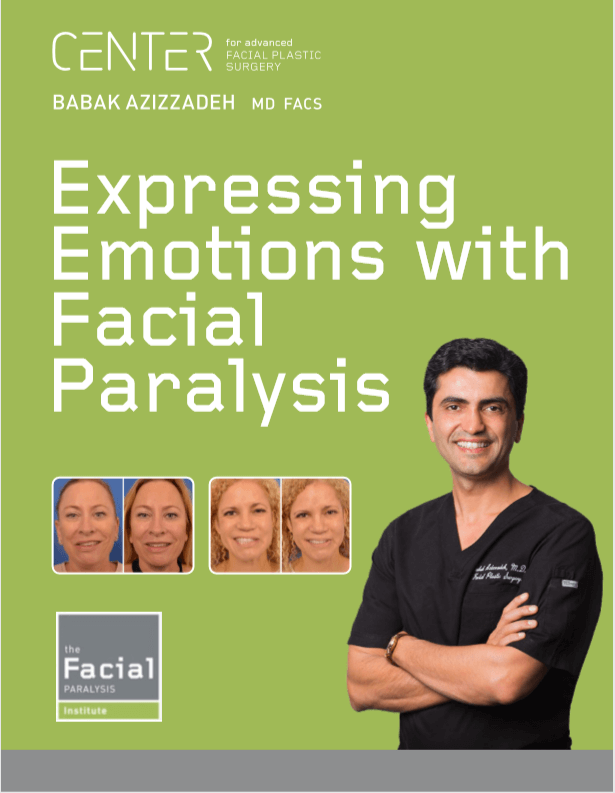
A facial expression makes it easy to show happiness, sadness, and other emotions. Yet, for people coping with facial paralysis, it can be virtually impossible to use facial expressions to show how they are feeling.
Read moreRequest your consultation with Dr. Azizzadeh today
Call us at (310) 657-2203 to schedule an appointment.
Schedule a Consultation